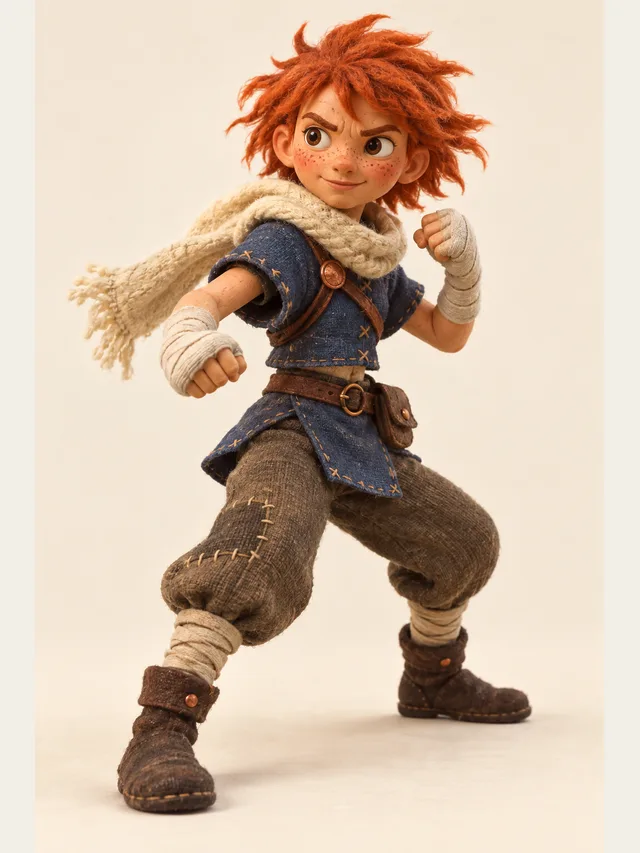
Aria
Bright shonen-anime lead who narrates her own fight scenes
このページはまだ日本語になっていません。英語版を表示しています。
en-US · English (United States)
American English is the accent the library was written in, and English is one of only two languages here, alongside Chinese, where the cast includes real children's voices. Across all forty characters, English reaches thirty-two distinct voices, and within a single project no two characters are given the same one until those thirty-two run out — so an ensemble separates cleanly, and only a very large scene starts to double up.
Aria
Bright shonen-anime lead who narrates her own fight scenes
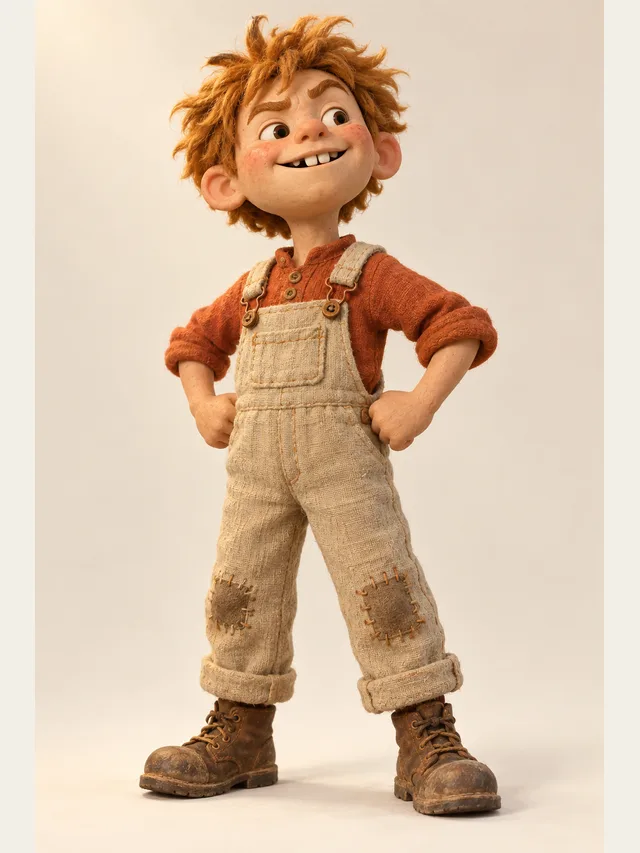
Milo
Nine-year-old with a loose tooth and a very large opinion
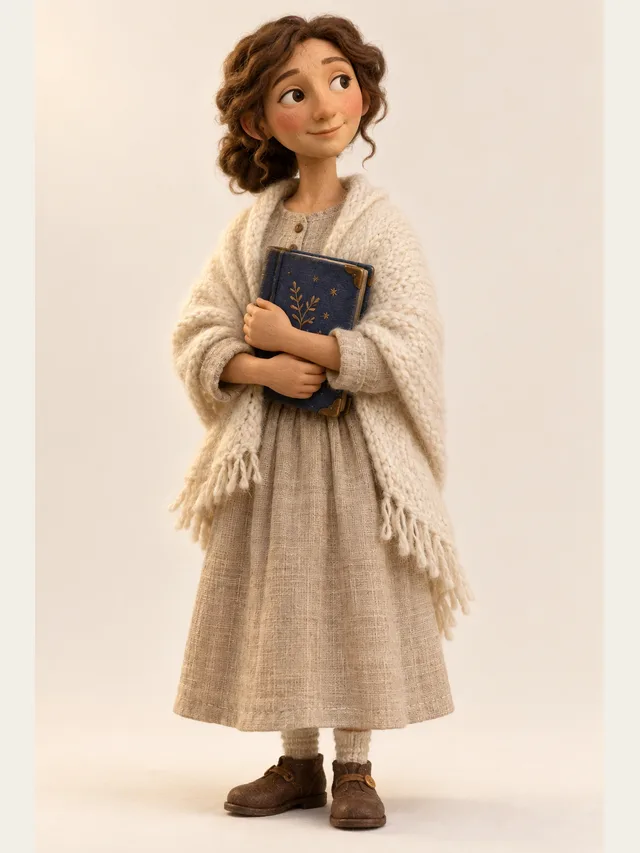
Wren
Bedtime-story narrator, slow and warm, never wakes anyone up
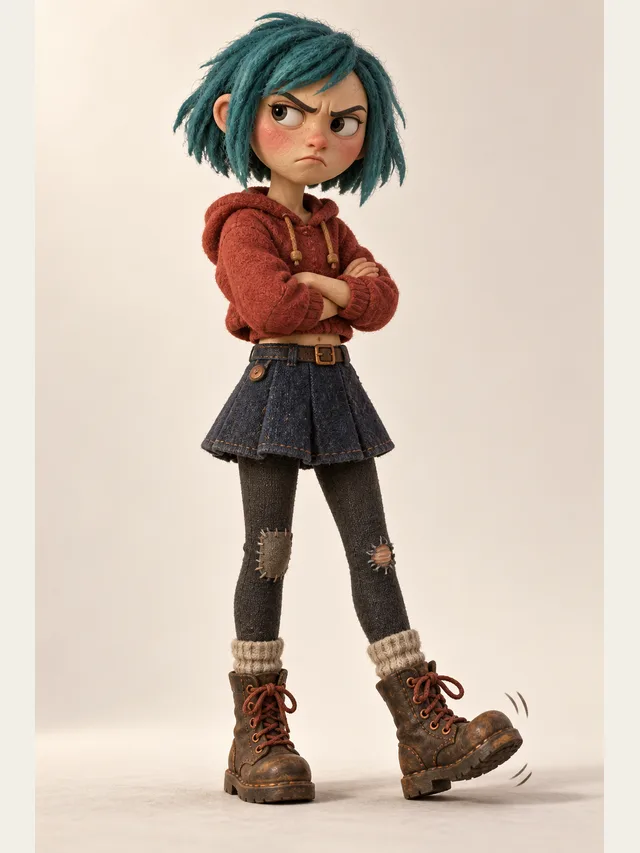
Cass
Seventeen and furious about it, in a good way
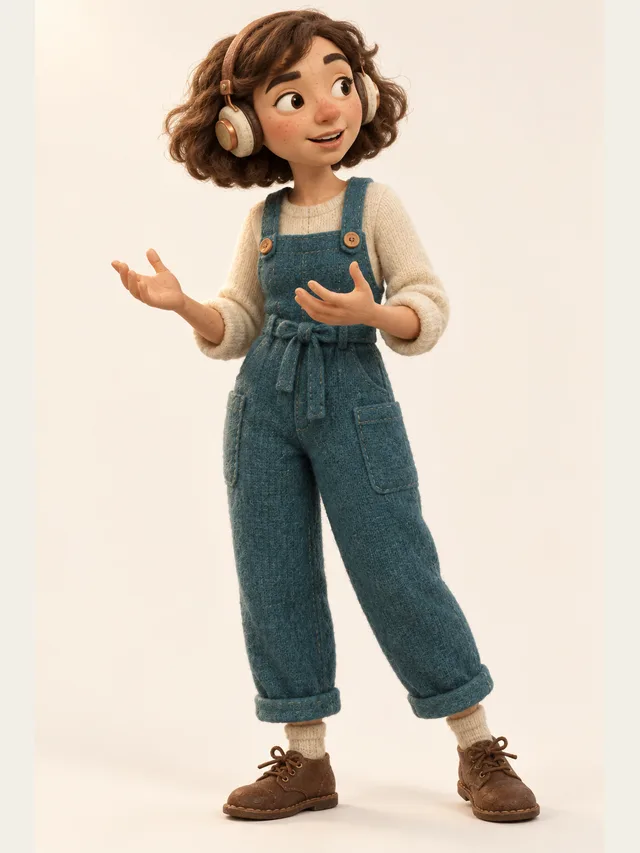
Juno
Podcast host who thinks out loud and never reads a script
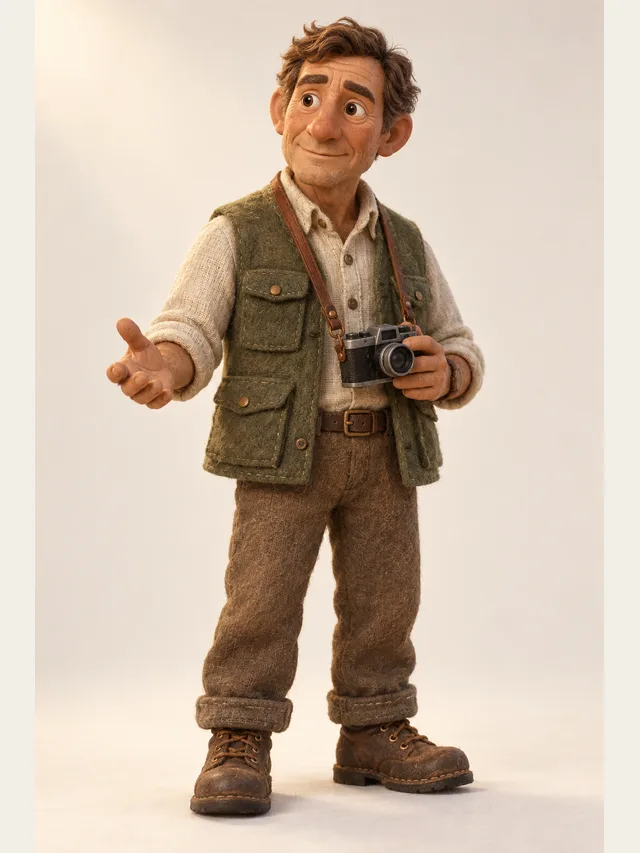
Hale
Documentary narrator with a hand on the listener's shoulder
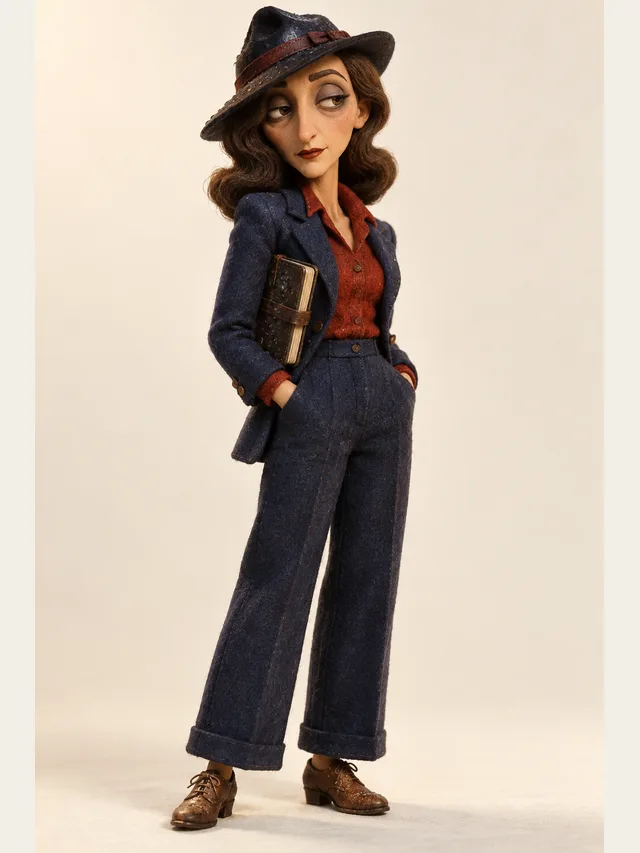
Sable
Noir detective narrating her own bad decisions
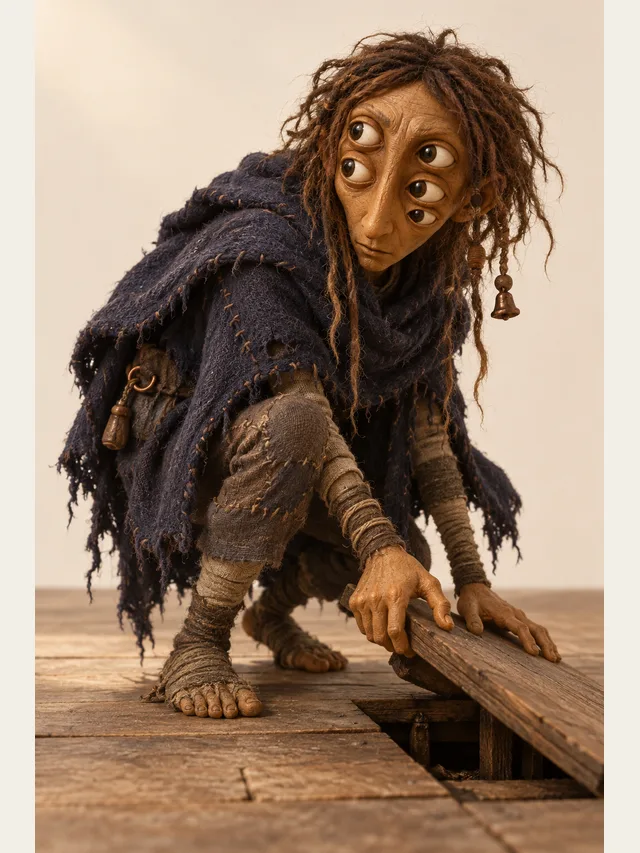
Morrow
Something under the floorboards that learned your name
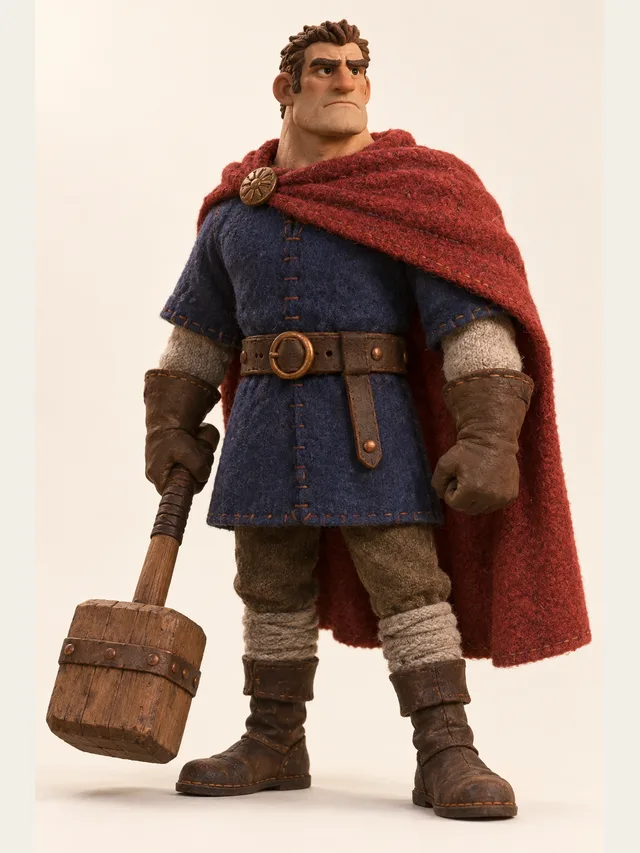
Duke
Trailer voice. Three words per breath. All of them heavy.
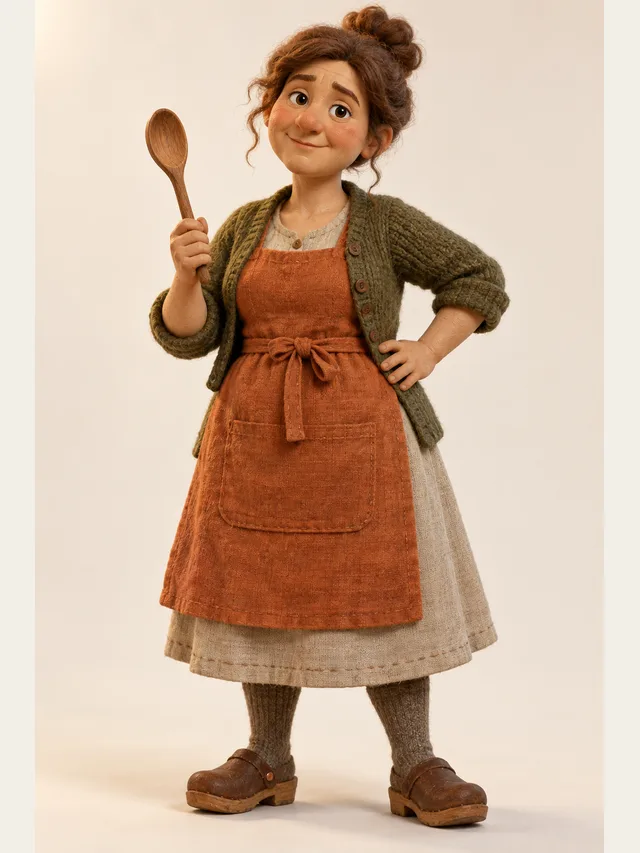
Hazel
Mum voice: patient, then suddenly not
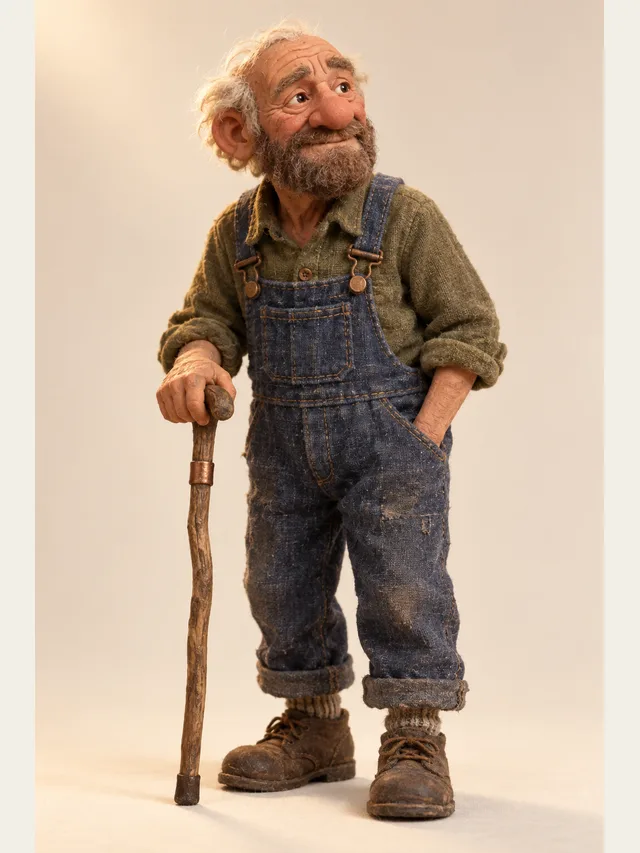
Orrin
Old man on a porch who remembers the flood
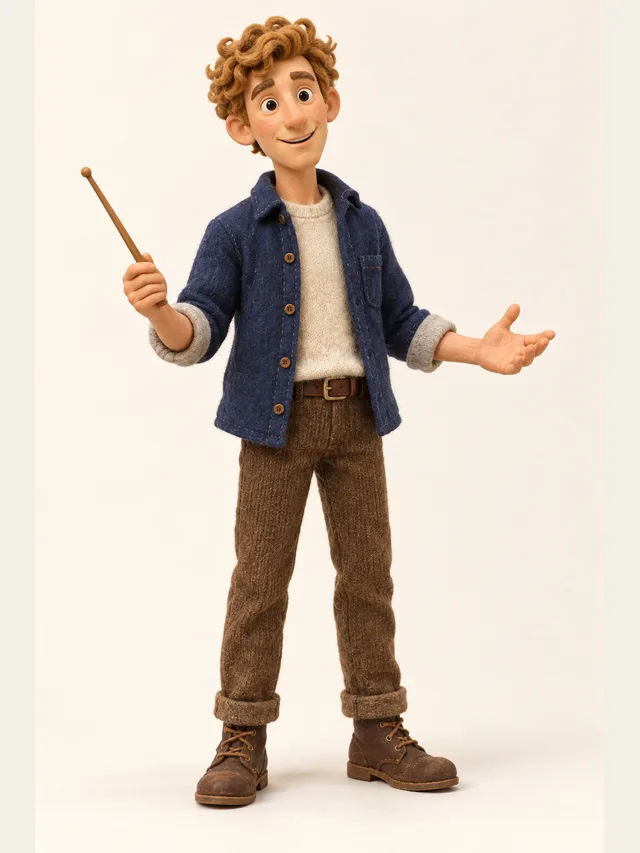
Quill
YouTube explainer voice that never sounds bored
General American is a broadcast standard rather than a regional accent, and it is what most of these voices speak. That is the right default for narration and for characters whose region is not part of the story. It is the wrong default when place matters — a story set somewhere specific with an unplaceable narrator reads as generic.
There are no regional American voices, and no accent control either: you choose a library character and the voice follows from it. Where region is load-bearing, the honest options are to signal it through vocabulary and rhythm in the writing, or to record those characters yourself.
American conventions are applied by default: month-day-year dates, and abbreviations read as Americans read them. If your text mixes conventions — a British-set story with American narration, say — check the numbers, because that is where mismatches show up first and are least forgivable.
There is no pronunciation dictionary, so a word that comes out wrong has to be handled in the script itself. Respelling it the way it sounds is crude and it works; audition the line, not the word on its own, because the surrounding rhythm often fixes what looks broken in isolation.
Any format with identifiable speakers. Auto-casting proposes a library character for each one, matched on gender and age first.
Forty characters is a lot to listen through, so narrow by age band and style tag rather than auditioning everything.
Use lines from your actual script, not sample text. Fit is about the character, not about the voice in isolation.
Set a default per character and mark only the lines that break it. Line-by-line emotion is a Pro feature.
Mixed file on any plan; SRT from Plus; one track per character on Pro.
All forty characters perform in English, and behind them the engine reaches thirty-two distinct voices — the widest in the product, alongside Spanish. Seventeen are American; the rest are five British, two Australian, one Canadian, and seven multilingual voices borrowed from other languages, which only come in when two characters in a project clash and one has to move. Thirty-two is the number that matters: casting inside one project avoids repeats until those are used up, so that is how many speakers a scene can hold before two characters share a throat.
No. You choose a library character rather than a voice, there is no accent control, and the American voices here are General American. We would rather say so than ship a caricature.
All forty perform in nine languages. A character is a persona, not a recording, so Sable is still Sable in Japanese. Accent, though, does not travel: sounding American or British is a fact about English, and in another language the voice comes from that language's pool.
Language does not affect plans. Free covers two cast members; Basic raises it to five; Plus and Pro remove the cap entirely.
台本を貼り付ければ、CastDubが登場人物一人ひとりに声を割り当てます。あとは完成したボイスドラマを書き出すだけです。
無料で作ってみるクレジットカードは不要です。無料枠は一度きりの持ち分です。