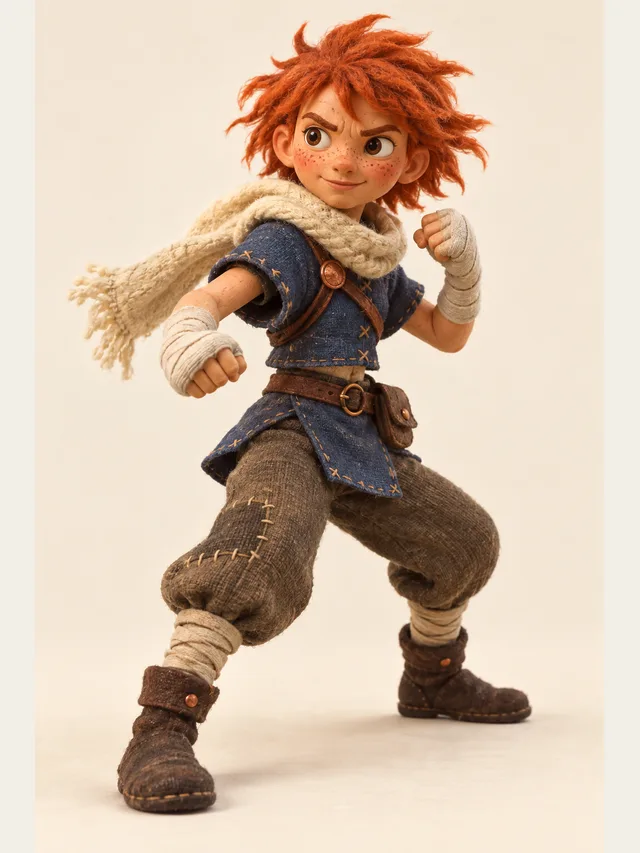
Aria
Bright shonen-anime lead who narrates her own fight scenes
en-US · English (United States)
The deepest part of the library. General American voices from child to senior, across narration, drama, comedy and character work — enough to cast an ensemble without two characters sounding alike.
Aria
Bright shonen-anime lead who narrates her own fight scenes
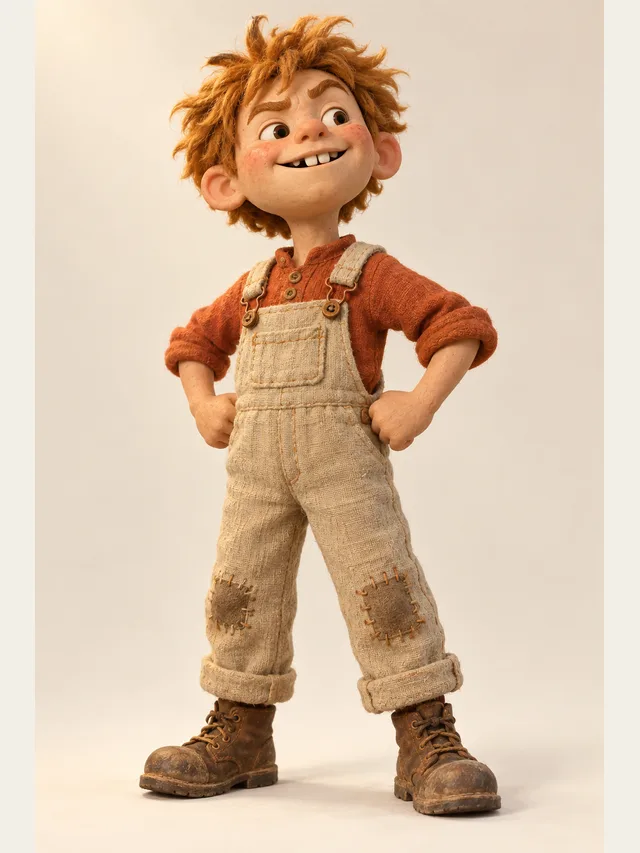
Milo
Nine-year-old with a loose tooth and a very large opinion
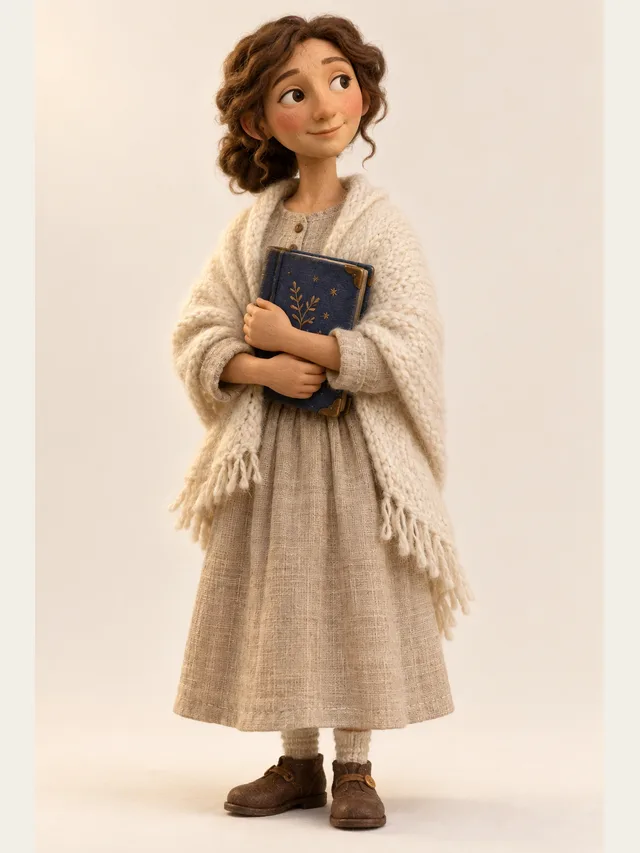
Wren
Bedtime-story narrator, slow and warm, never wakes anyone up
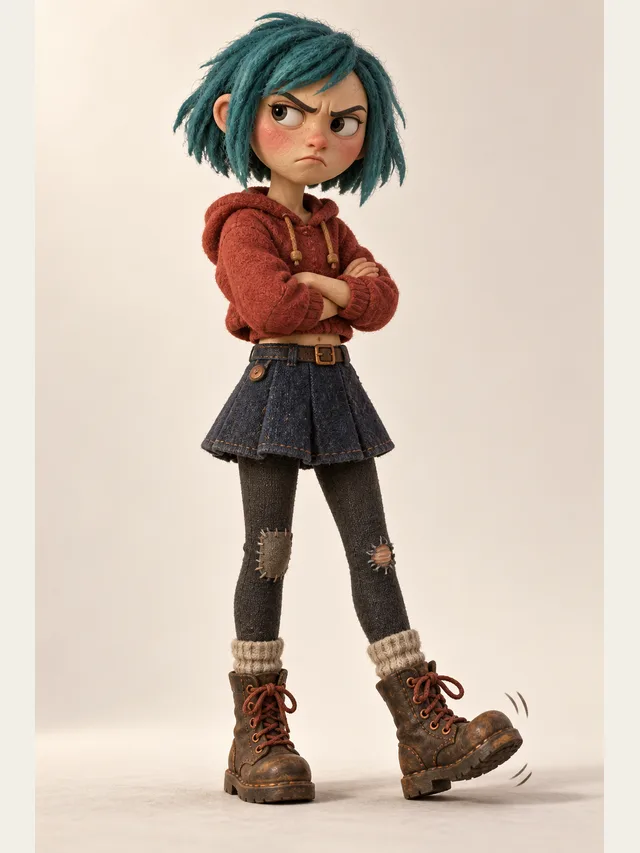
Cass
Seventeen and furious about it, in a good way
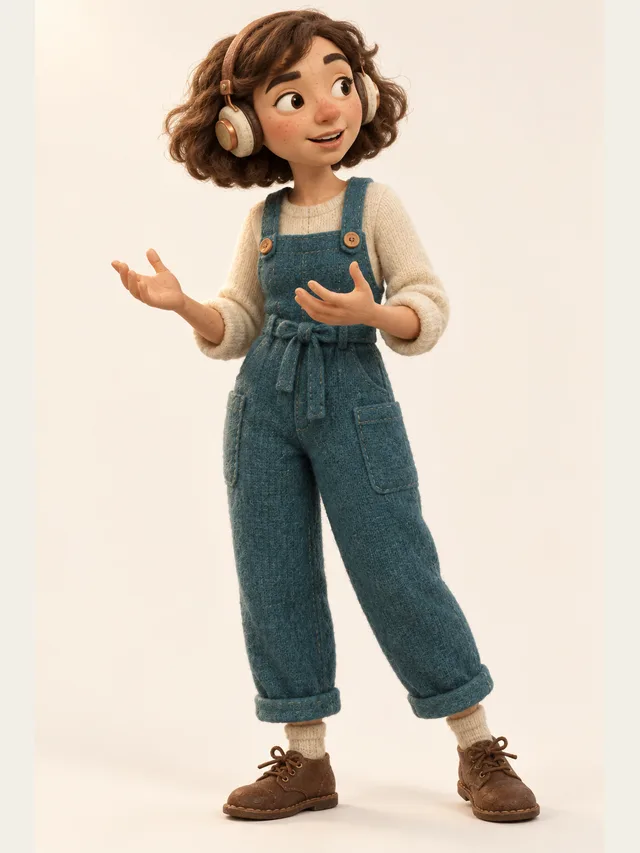
Juno
Podcast host who thinks out loud and never reads a script
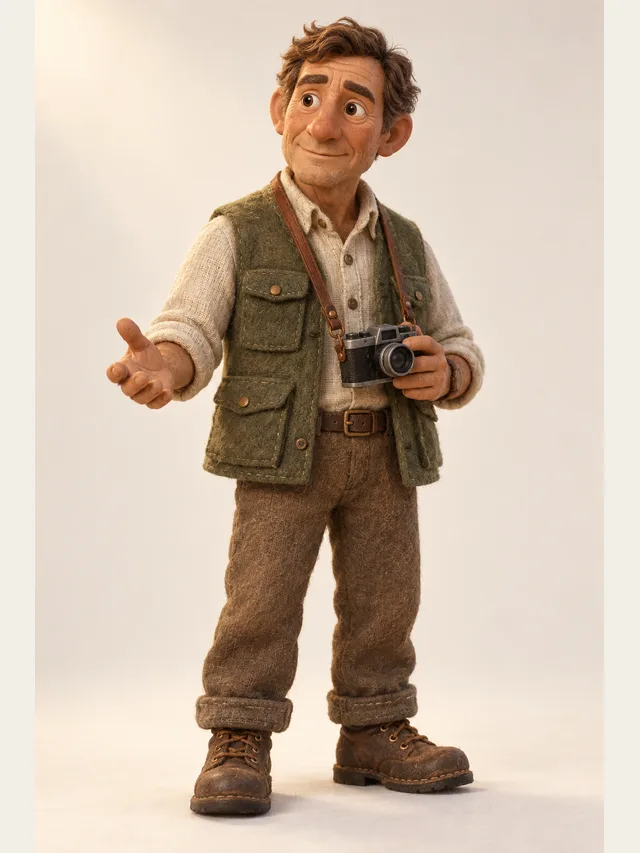
Hale
Documentary narrator with a hand on the listener's shoulder
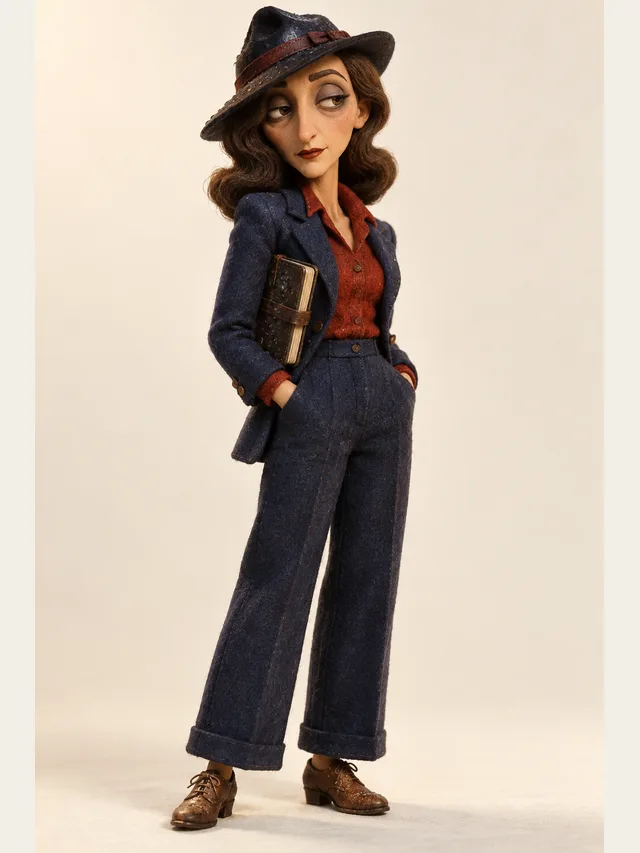
Sable
Noir detective narrating her own bad decisions
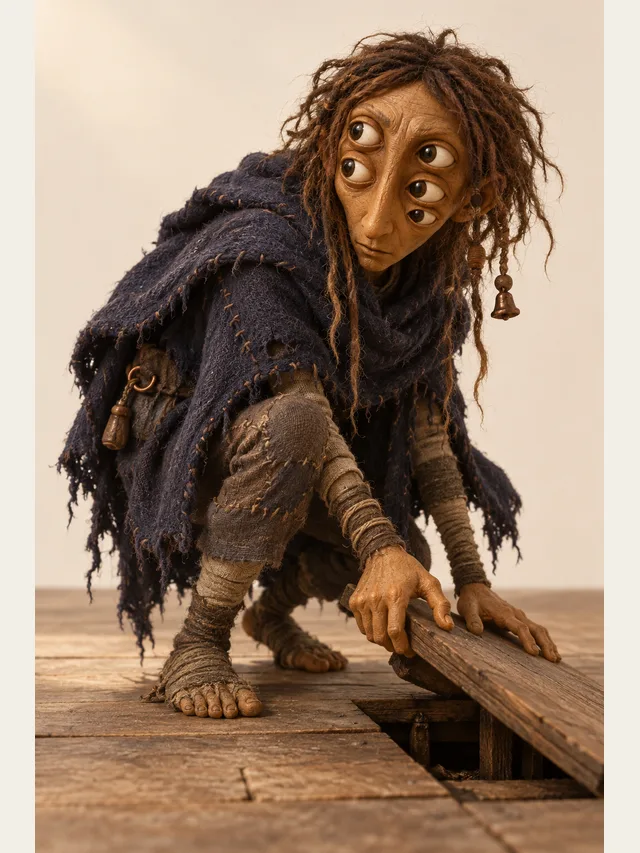
Morrow
Something under the floorboards that learned your name
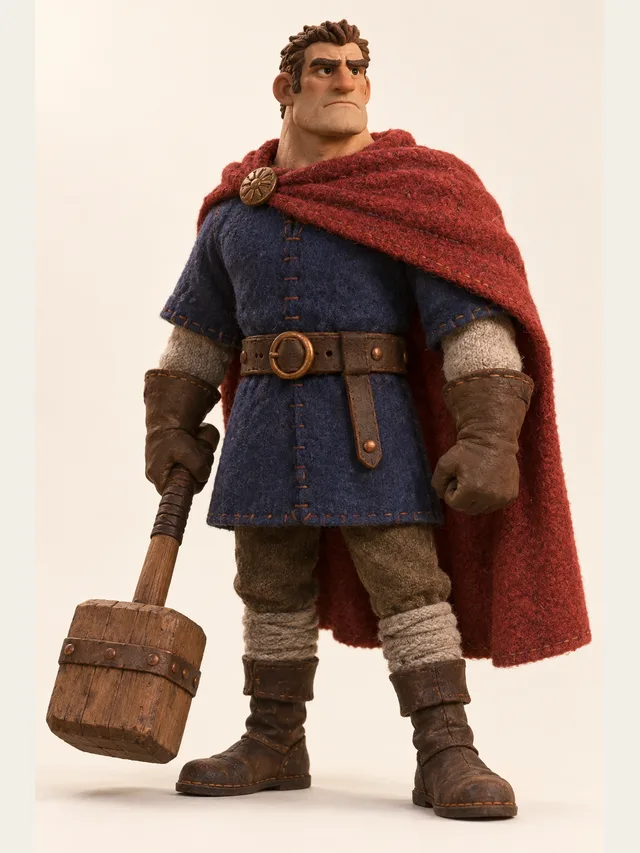
Duke
Trailer voice. Three words per breath. All of them heavy.
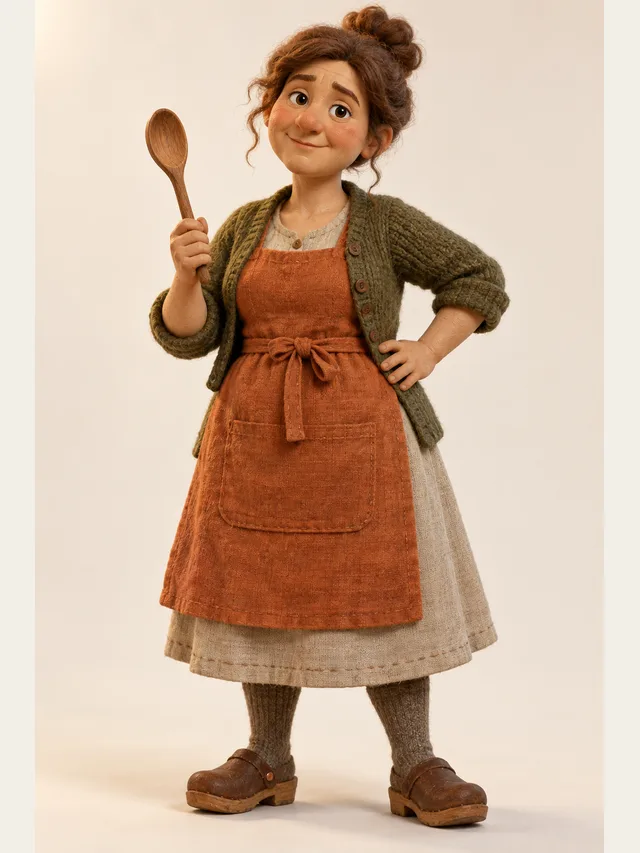
Hazel
Mum voice: patient, then suddenly not
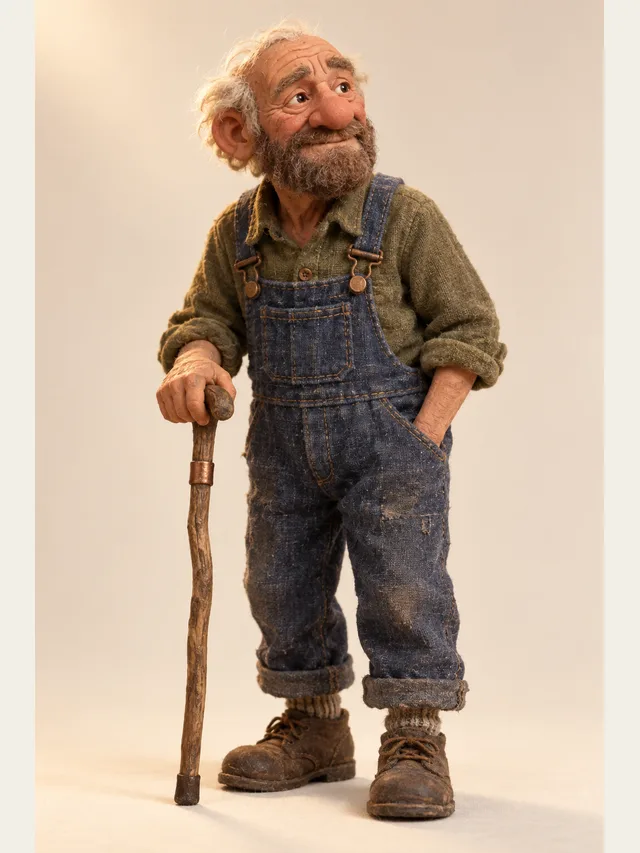
Orrin
Old man on a porch who remembers the flood
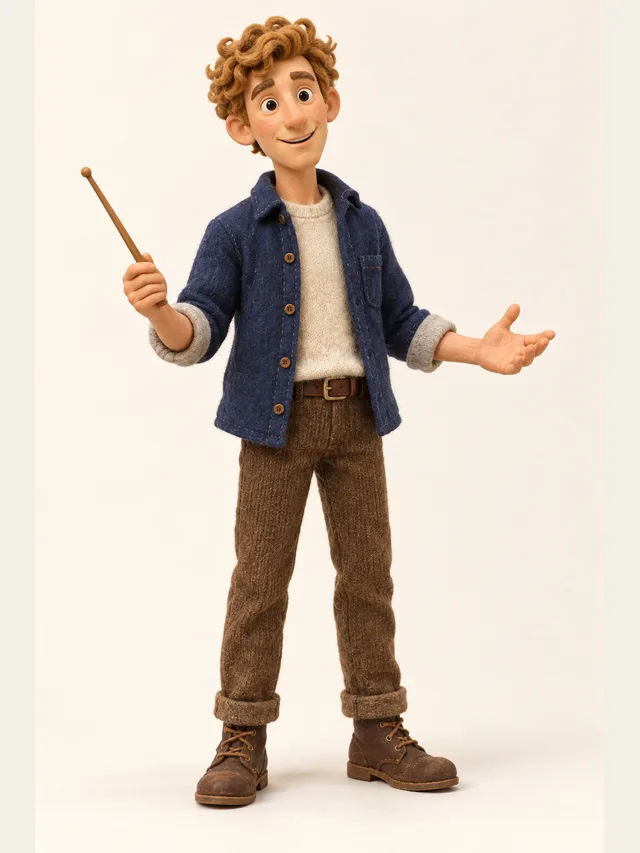
Quill
YouTube explainer voice that never sounds bored
General American is a broadcast standard rather than a regional accent, and it is what most of these voices speak. That is the right default for narration and for characters whose region is not part of the story. It is the wrong default when place matters — a story set somewhere specific with an unplaceable narrator reads as generic.
Regional American voices are on the roadmap and not in this release. Where region is load-bearing today, the honest options are to signal it through vocabulary and rhythm in the writing, or to record those characters yourself.
American conventions are applied by default: month-day-year dates, and abbreviations read as Americans read them. If your text mixes conventions — a British-set story with American narration, say — check the numbers, because that is where mismatches show up first and are least forgivable.
Any word that is read incorrectly can be corrected once per project, and the correction applies everywhere it appears.
Any format with identifiable speakers. Auto-casting proposes an American English voice per character.
The library is largest here, so narrow by age band and style tag rather than auditioning everything.
Use lines from your actual script, not sample text. Fit is about the character, not about the voice in isolation.
Set a default per character and mark only the lines that break it.
Mixed file, stems or subtitles, depending on where it is going.
American English is the largest slice of the library and covers every age band, which matters more than the raw number — a cast needs separable voices, not many similar ones.
Not in this release. General American is what is available, and regional variants are planned rather than shipped. We would rather say so than ship a caricature.
For narration, often. For characters, rarely — accent carries class and regional signals that audiences read instantly, and a mismatch is more noticeable in dialogue than in prose.
Language does not affect plans. Free covers two cast members and five minutes; Creator and Studio raise the cast size and minutes.
Paste a script, let CastDub assign a voice to every character, and export a finished drama.
Create for freeNo credit card. Free plan renews every month.