
Cass
Seventeen and furious about it, in a good way
ru-RU · Русский
All forty characters perform in Russian, behind ten base voices — the same ten as in every language here. Ten is the ceiling: no two characters in one project are handed the same voice until those ten are used up, and past that two of them share a throat. The thing to check before you render anything long is not the casting — it is the stress, because Russian does not write it down and getting it wrong does not produce an accent, it produces a different word.
Cass
Seventeen and furious about it, in a good way
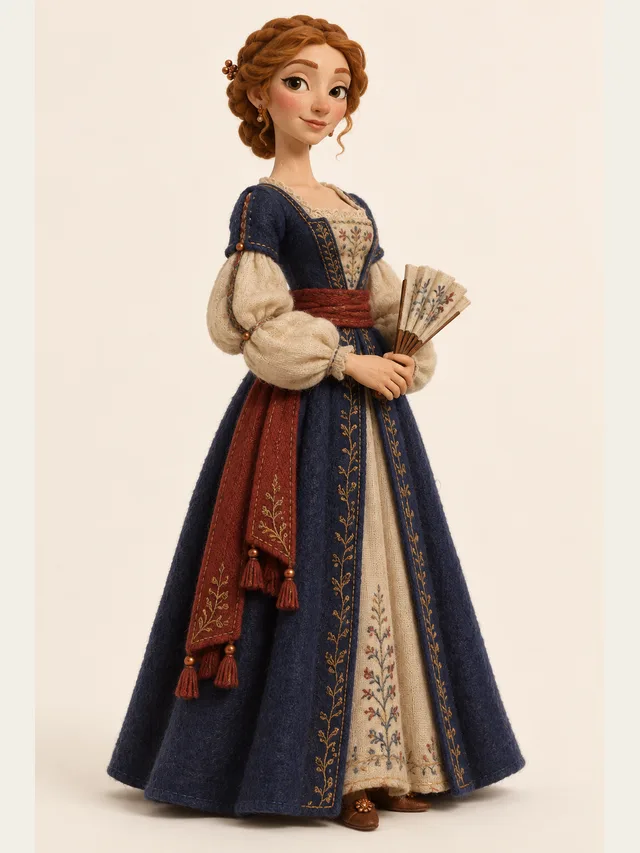
Seraphine
Court princess whose politeness is a weapon
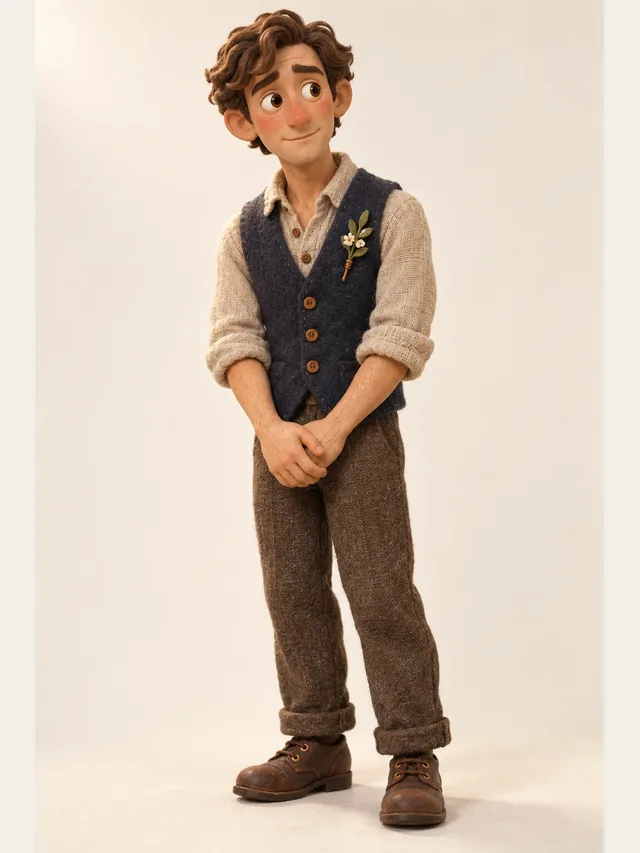
Ezra
Visual-novel love interest with a two-second pause before honesty
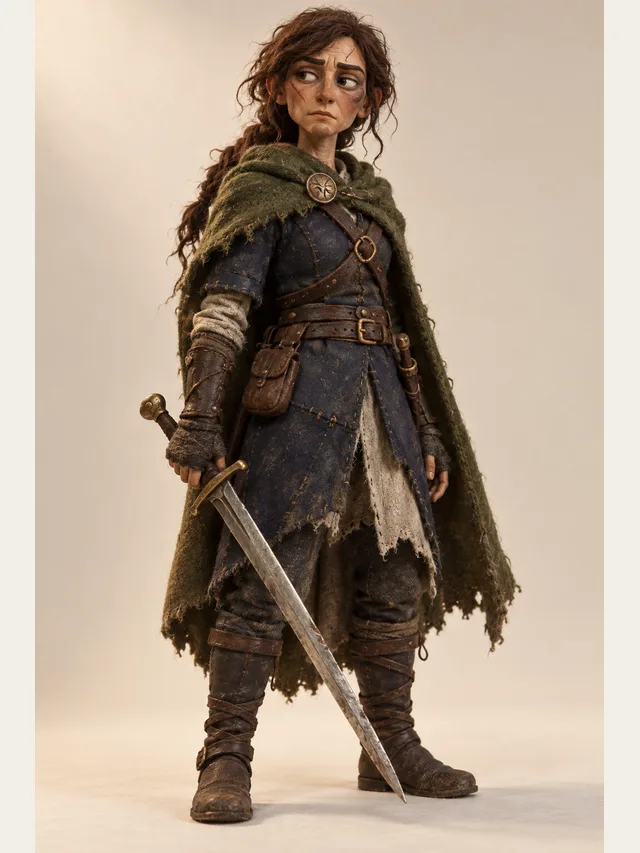
Kestrel
Low, weary swordswoman who has already lost this war once
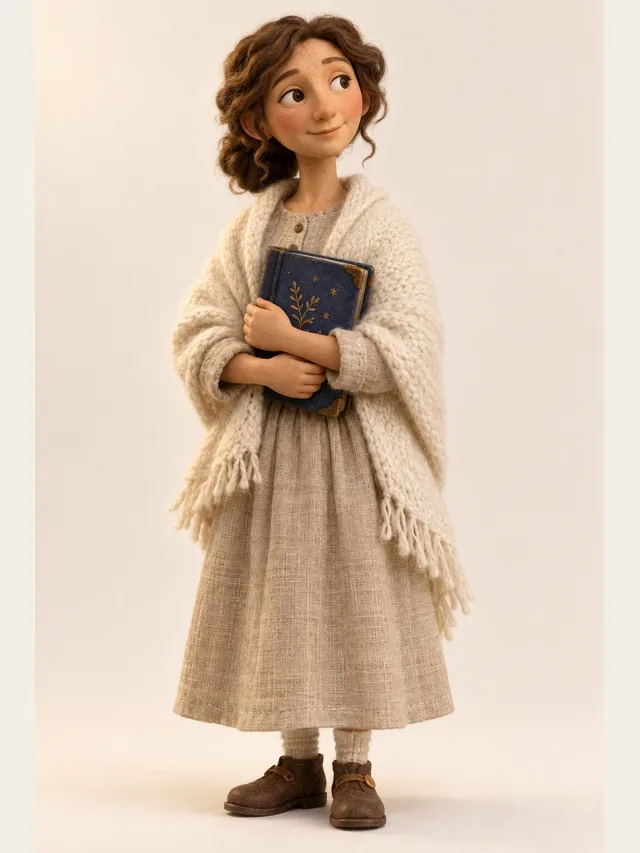
Wren
Bedtime-story narrator, slow and warm, never wakes anyone up
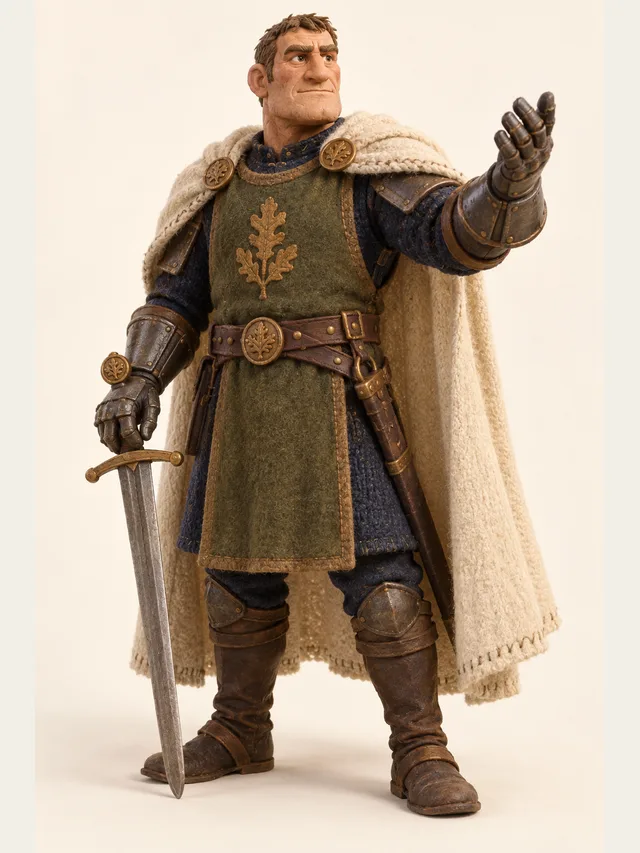
Torvald
Knight commander who gives orders that men actually follow
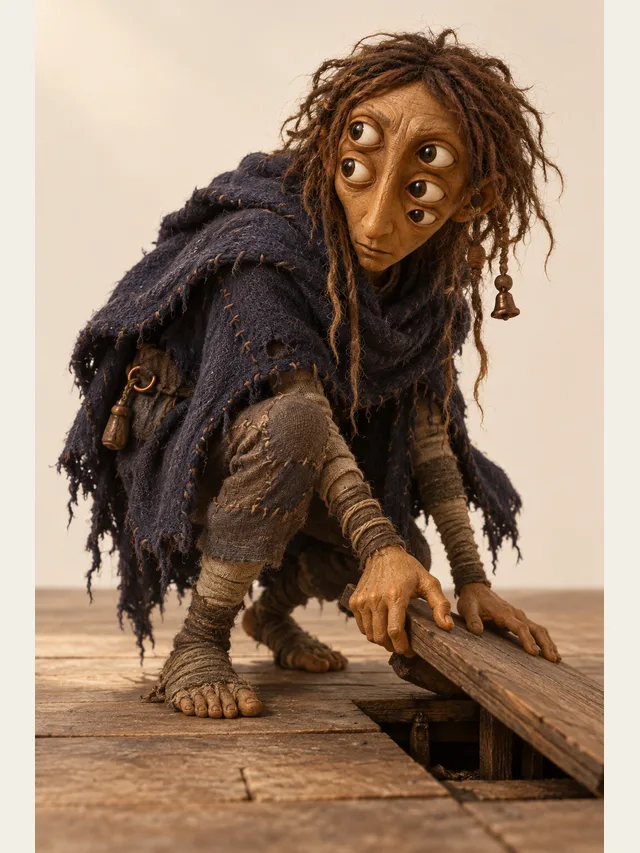
Morrow
Something under the floorboards that learned your name

Gran Thea
Grandmother telling a folk tale she half believes
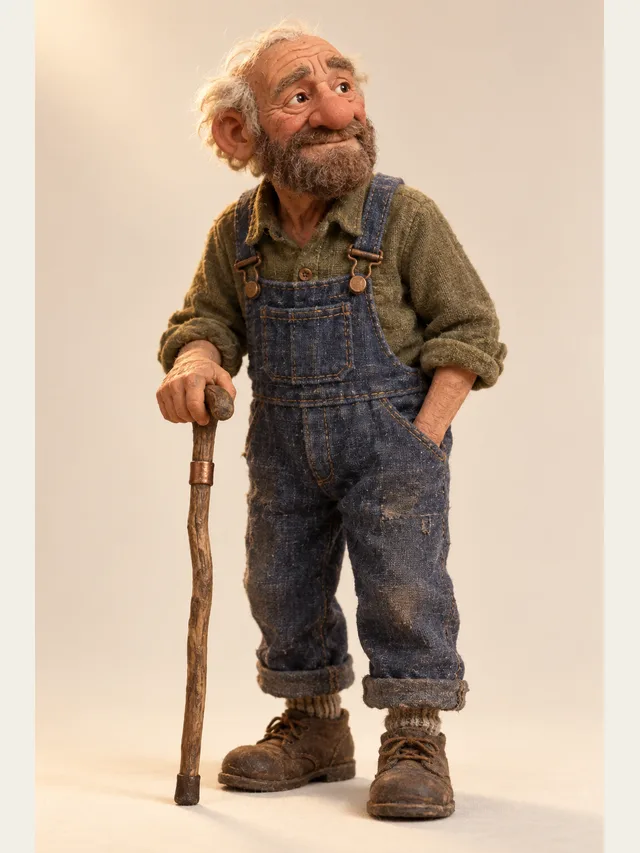
Orrin
Old man on a porch who remembers the flood
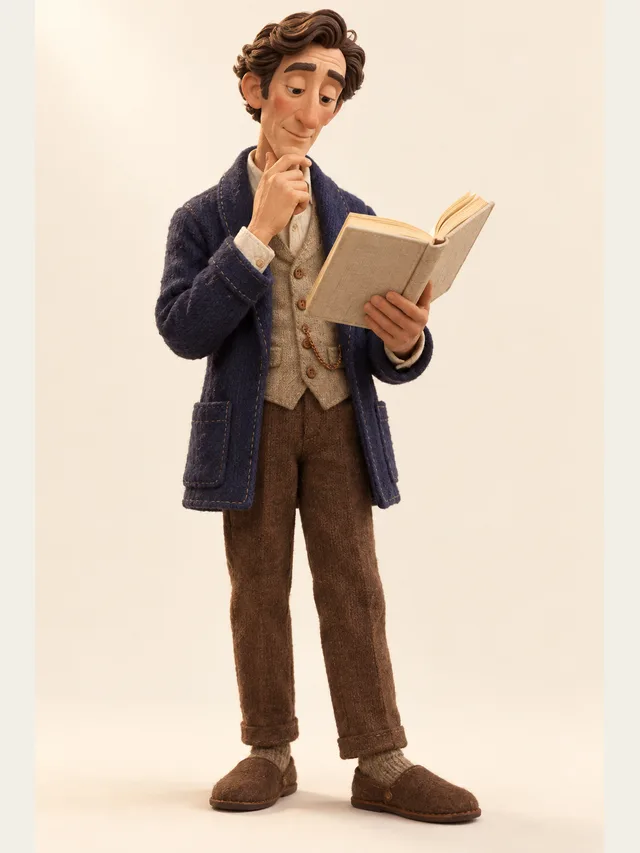
Dorian
Audiobook baritone for literary fiction and slow reveals
See all 40 characters — every one of them performs in Russian →
За́мок is a castle and замо́к is a lock. Му́ка is torment and мука́ is flour. Russian orthography marks none of this, so any engine is working from a dictionary and guessing where the dictionary is silent — which is to say, on proper nouns and on anything invented. The failure is not subtle, because stress also governs vowel reduction: put the stress in the wrong place and the unstressed о that follows reduces, and the whole word comes out as something else.
There is no stress-override list. Two things help. Write ё where you mean ё — все and всё are different words and the dot is the only thing separating them, and dropping it is a habit Russian typography encourages and audio punishes. And audition every name in your cast list before you commit to an episode, because a mispronounced protagonist is the one error a listener will not forgive.
Russian numerals govern the case of what follows, and the form changes with the number: две книги, пять книг, двадцать одна книга. An engine reading a digit has to guess which form the sentence wanted, and it often guesses the citation form. For anything where the number is spoken aloud rather than merely present, write it out in words — the grammar is then explicit and nothing has to be inferred.
Patronymics deserve the same attention. Written Иван Иванович is, in ordinary speech, Иван Иваныч, and a synthetic voice reads the full written form every time. That is not wrong, but it is formal, and a scene between friends where everyone is addressed at full length sounds like a committee meeting. Where the register is casual, write the contracted form.
Russian audiences have decades of experience with foreign film carried by a single narrator over the original soundtrack, and with audiobooks read start to finish by one reader. It is tempting to treat that as a preference and to under-cast accordingly. It was a constraint rather than a preference, and Russian-language audio drama with a full cast has always been the more admired form when it could be afforded.
Ten distinct voices is enough to do that properly for a normal scene, and not enough for a crowd. Free allows two cast members and Basic five, so the ceiling only binds on Plus and Pro. Ten is not a Russian number — it is the same ten in every language on the site — and each library character sits on one of them, separated from the others by persona and by the direction on each line. Nobody has listened through the library with a Russian ear on our behalf, and stress is the thing Russian punishes hardest, so audition your leads on your own lines before you commit to anything long. Russian also has no children's voices, and neither does any other language here — a child character is performed by an adult voice playing young, which is how animation casts children.
Six lines outside a locked building, three speakers, all of them characters from this page. The Russian is the script; the notes after each line are what we would cast and how we would direct it. Torvald has found the door shut, Kestrel wants to know what that means, Gran Thea has seen it before.
Torvald: Замок закрыт. Все уже ушли. — The castle is shut. Everyone has already left. Замок is the word this whole page turns on: за́мок is a castle and замо́к is a lock, and the sentence is grammatical either way. Audition this line before any other. If the wrong one comes out, the fix is the sentence — крепость, or a clause in which a lock is impossible.
Kestrel: Все ушли или всё закончилось? — Has everyone left, or is it all over? Все and всё are different words separated by two dots, so write the dots. This is also the line to mark if you have line-by-line emotion, which is a Pro control: sad rather than angry, because she already knows the answer.
Torvald: И то, и другое. — Both. Three words, and the flattest possible delivery is the right one. Torvald is the knight commander in the library; neutral, no speed change.
Gran Thea: Сорок лет назад его тоже закрывали. Открыли через две недели. — Forty years ago they shut it too. They opened it two weeks later. Both numerals are written as words, which is the habit to keep: Russian numerals govern the case of what follows, and a digit gives the engine no way to know which form the sentence wanted.
Kestrel: Значит, подождём. — Then we'll wait. Another ё, and another word that is not quite itself without the dots — подождем and подождём are not the same on the page. Neutral.
Gran Thea: Я и говорю: подождём. — That is what I am saying. Gran Thea is the grandmother voice and this is the line the scene exists for. Mark it happy if you can; otherwise leave the part neutral throughout, because her default matters more here than any single line of hers.
Three speakers, three of the ten base voices, standard Russian throughout. Two of the six lines needed the dots on ё and one needed a decision about where a noun is stressed, which is a fair ratio for Russian — of every language on this site, it is the one where the text does the most work before anyone is cast.
Exporting spends download credits and re-exporting the same project spends them again, so listen once to the assembled scene. Six things catch Russian out more often than the rest.
Every proper noun, three times over. Stress is unwritten, and a name is where the dictionary runs out. A mispronounced protagonist is the one error a listener will not forgive. The levers are respelling and rewriting the sentence; there is no stress list to correct.
Your ё. Go through the script and put the dots back: все and всё, узнаем and узнаём, небо and нёбо. It is two minutes of work and it removes an entire class of wrong readings.
Numerals and case. две книги, пять книг, двадцать одна книга. Write every spoken number as words so the agreement is explicit. Years especially — в две тысячи двадцать шестом году is nothing like 2026 on the page.
Patronymics. Иван Иванович is read in full every time, which is formal. In a casual scene, write Иван Иваныч the way it is actually said, or drop the patronymic and let the first name carry it.
Acronyms and transliterated names. A Cyrillic acronym comes out either as letters or as a word, and a foreign name in Cyrillic may be stressed the Russian way or something closer to the original. Pick the reading you want, respell to get it, and keep that spelling everywhere.
Participial clauses. They are elegant on the page and hard to perform. If a sentence takes you two breaths to read aloud, split it into two lines for the same character and let the short gap sit where the clause ends.
A project inherits its language from the CastDub interface you create it in and keeps it, so switch the site to Russian before you open a new project.
Go through the script and put the dots back. It is two minutes of work and it removes an entire class of wrong readings.
Names, places, invented terms. Stress errors are the most damaging failure in Russian and the least visible in the text.
Anywhere a number is spoken, write it in words so the case agreement is explicit rather than inferred.
Mixed file on any plan, SRT from Plus, one track per character on Pro.
Ten. All forty characters perform in Russian, and ten base voices sit behind them — the same ten as in every language here — so a cast larger than ten will contain repeats.
Not with an override — there is no stress dictionary. Writing ё explicitly and auditioning every name are the two levers that actually work today.
Because Russian numerals govern the case of the following noun, and a digit gives the engine no way to know which form the sentence needs. Writing the number as words fixes it.
No, and none in any other language here. A child character is performed by an adult voice playing young, the way animation casts children, so a boy is often played by a woman.
Unpredictably. A Cyrillic acronym may come out as separate letters or as a word, and a foreign name written in Cyrillic may be stressed the Russian way or closer to the original. There is no override, so the method is to pick the reading you want, respell until you get it, and then keep that spelling everywhere in the script. A single odd reading usually passes; an inconsistent one across an episode does not.
Every number that is spoken, yes. Russian numerals govern the case of the noun after them and the form changes with the number, so a digit leaves the engine to guess, and it often guesses the citation form. Written out, the grammar is explicit and nothing has to be inferred. Years, ages, times and prices deserve a pass of their own, because those are the ones a listener checks against what they already know.
Paste a script, let CastDub assign a voice to every character, and export a finished drama.
Create for freeNo credit card. Free gives you a one-time pot of credits.