
Cass
Seventeen and furious about it, in a good way
Cette page n'est pas encore disponible en français ; la version anglaise est affichée.
ru-RU · Русский
All forty characters perform in Russian, behind fourteen distinct voices. Fourteen is the ceiling: no two characters in one project are handed the same voice until those fourteen are used up, and past that two of them share a throat. The thing to check before you render anything long is not the casting — it is the stress, because Russian does not write it down and getting it wrong does not produce an accent, it produces a different word.
Cass
Seventeen and furious about it, in a good way
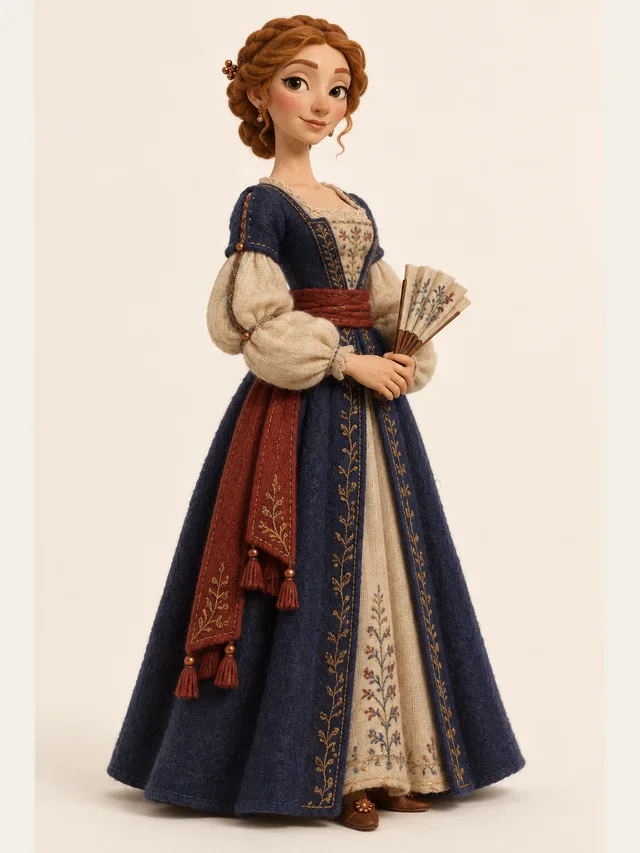
Seraphine
Court princess whose politeness is a weapon
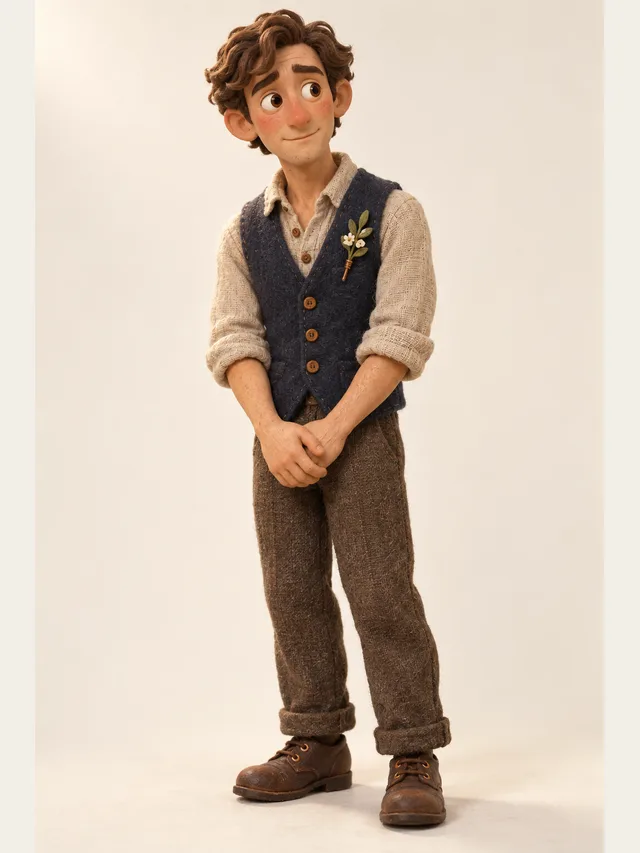
Ezra
Visual-novel love interest with a two-second pause before honesty
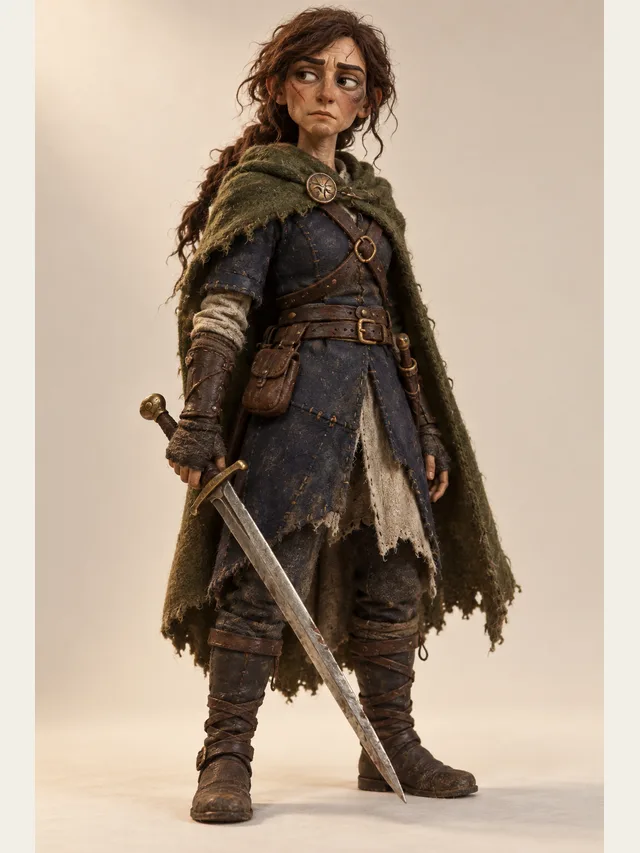
Kestrel
Low, weary swordswoman who has already lost this war once
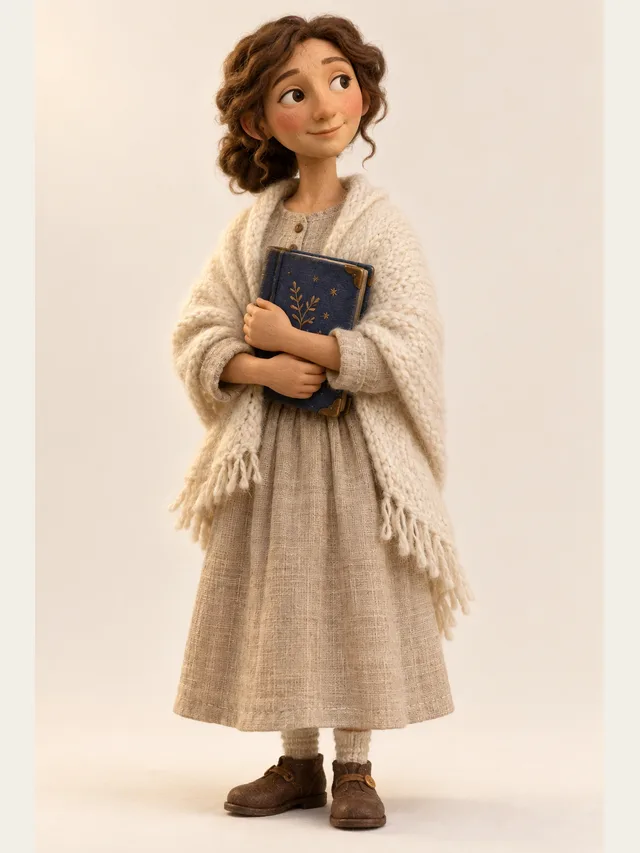
Wren
Bedtime-story narrator, slow and warm, never wakes anyone up
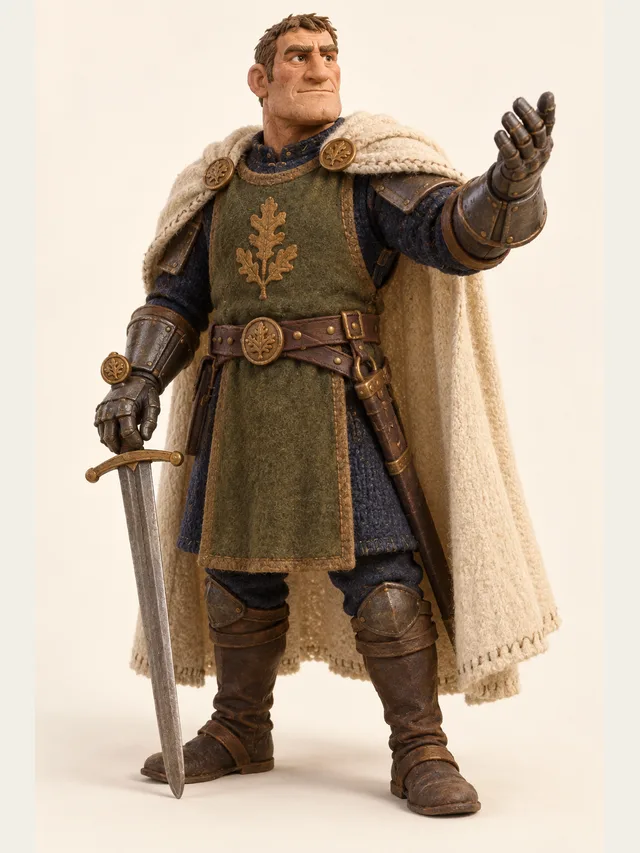
Torvald
Knight commander who gives orders that men actually follow
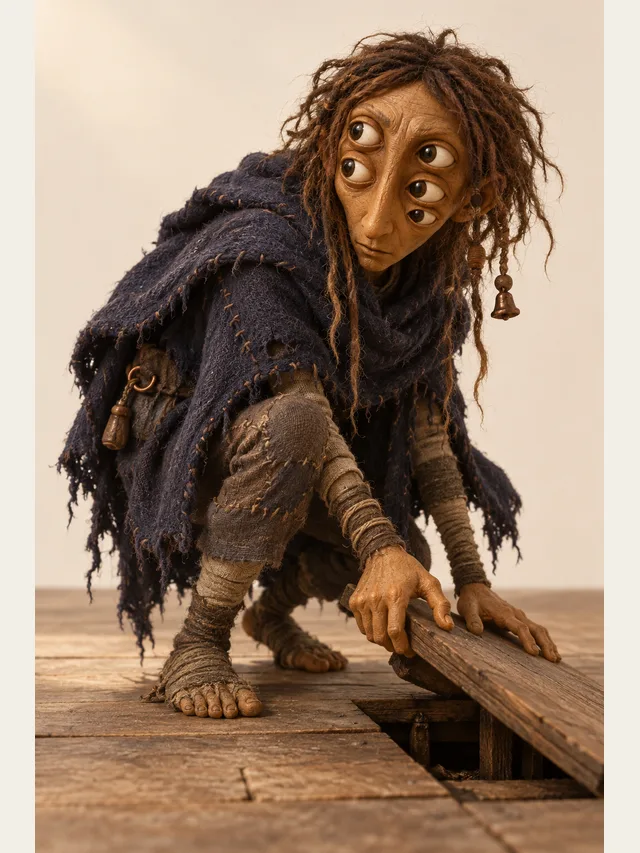
Morrow
Something under the floorboards that learned your name
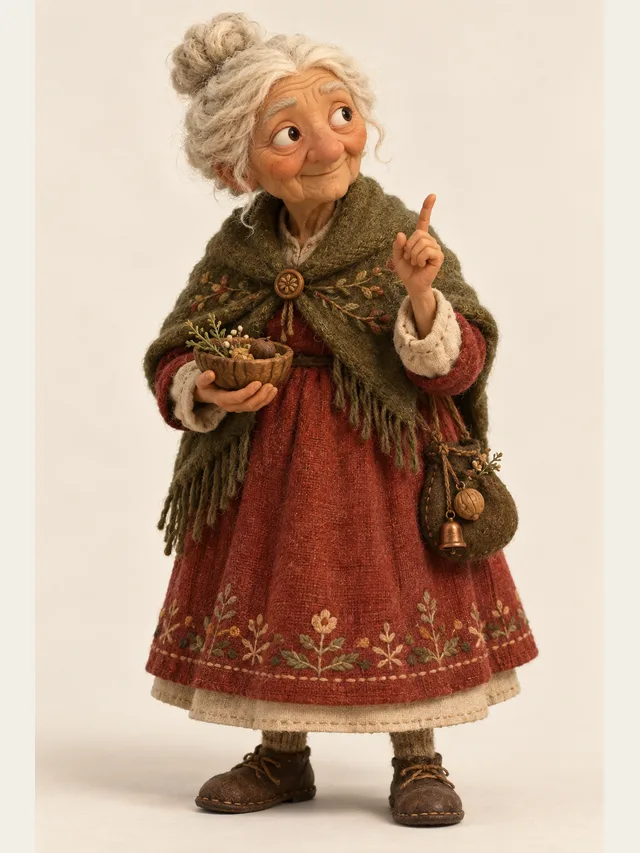
Gran Thea
Grandmother telling a folk tale she half believes
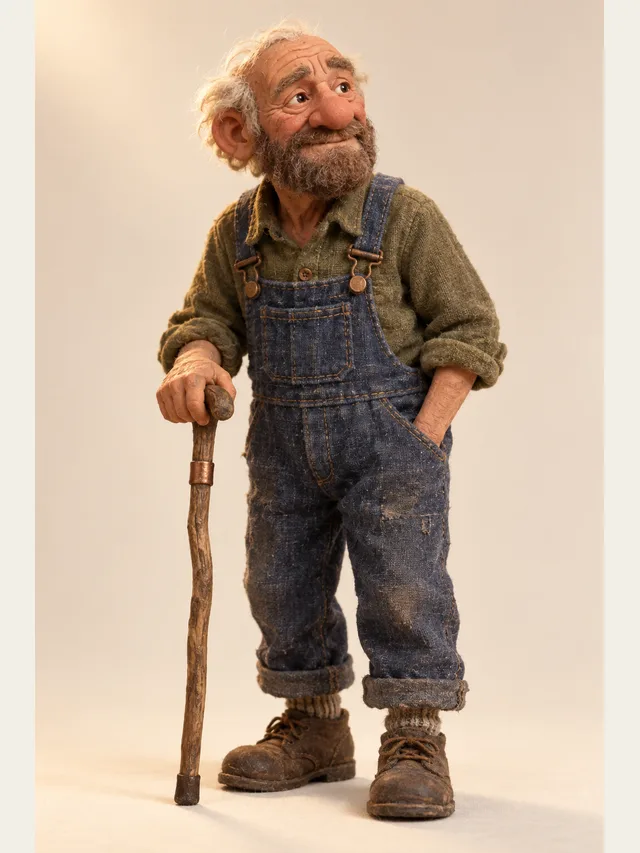
Orrin
Old man on a porch who remembers the flood
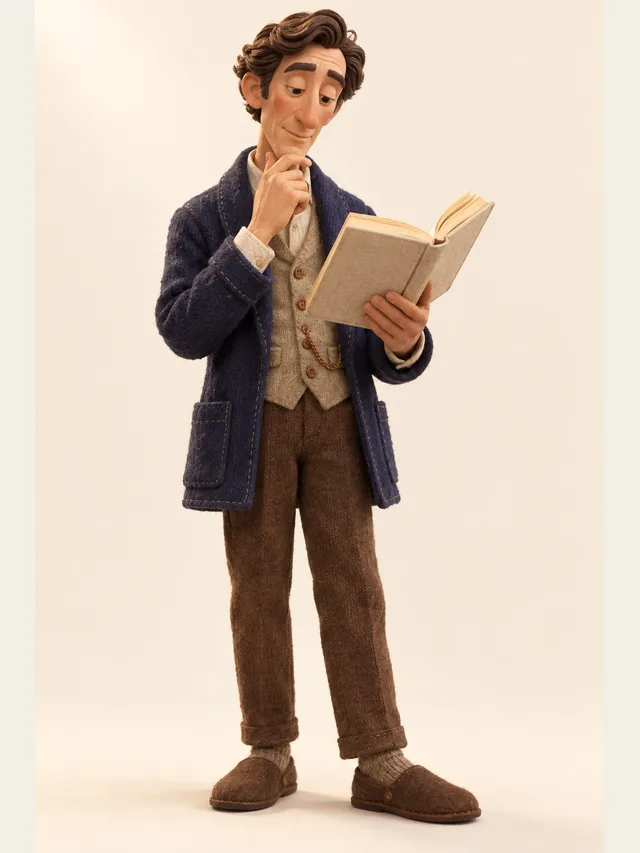
Dorian
Audiobook baritone for literary fiction and slow reveals
За́мок is a castle and замо́к is a lock. Му́ка is torment and мука́ is flour. Russian orthography marks none of this, so any engine is working from a dictionary and guessing where the dictionary is silent — which is to say, on proper nouns and on anything invented. The failure is not subtle, because stress also governs vowel reduction: put the stress in the wrong place and the unstressed о that follows reduces, and the whole word comes out as something else.
There is no stress-override list. Two things help. Write ё where you mean ё — все and всё are different words and the dot is the only thing separating them, and dropping it is a habit Russian typography encourages and audio punishes. And audition every name in your cast list before you commit to an episode, because a mispronounced protagonist is the one error a listener will not forgive.
Russian numerals govern the case of what follows, and the form changes with the number: две книги, пять книг, двадцать одна книга. An engine reading a digit has to guess which form the sentence wanted, and it often guesses the citation form. For anything where the number is spoken aloud rather than merely present, write it out in words — the grammar is then explicit and nothing has to be inferred.
Patronymics deserve the same attention. Written Иван Иванович is, in ordinary speech, Иван Иваныч, and a synthetic voice reads the full written form every time. That is not wrong, but it is formal, and a scene between friends where everyone is addressed at full length sounds like a committee meeting. Where the register is casual, write the contracted form.
Russian audiences have decades of experience with foreign film carried by a single narrator over the original soundtrack, and with audiobooks read start to finish by one reader. It is tempting to treat that as a preference and to under-cast accordingly. It was a constraint rather than a preference, and Russian-language audio drama with a full cast has always been the more admired form when it could be afforded.
Fourteen distinct voices is enough to do that properly for a normal scene, and not enough for a crowd. Free allows two cast members and Basic five, so the ceiling only binds on Plus and Pro. Two of the fourteen are natively Russian voices and the other twelve are multilingual voices performing Russian, which is worth knowing given how much Russian depends on stress landing correctly. Nor is it a large-cast problem: which voice a character gets follows its gender and age band, not the size of the cast, and thirty-four of the forty library characters start on a multilingual voice in Russian, so even a two-person dialogue will almost certainly use one. Russian also has no true children's voices — a child character goes to the highest-pitched adult voice of its gender, which for Milo is a German multilingual voice, so it reads as an adult rather than as a child.
A project inherits its language from the CastDub interface you create it in and keeps it, so switch the site to Russian before you open a new project.
Go through the script and put the dots back. It is two minutes of work and it removes an entire class of wrong readings.
Names, places, invented terms. Stress errors are the most damaging failure in Russian and the least visible in the text.
Anywhere a number is spoken, write it in words so the case agreement is explicit rather than inferred.
Mixed file on any plan, SRT from Plus, one track per character on Pro.
Fourteen. All forty characters perform in Russian, and fourteen distinct voices sit behind them, so a cast larger than fourteen will contain repeats.
Not with an override — there is no stress dictionary. Writing ё explicitly and auditioning every name are the two levers that actually work today.
Because Russian numerals govern the case of the following noun, and a digit gives the engine no way to know which form the sentence needs. Writing the number as words fixes it.
No. A child character is performed by the highest-pitched adult voice of its gender, often a multilingual one, so it is performed by an adult and sounds like one.
Collez un script, laissez CastDub donner sa voix à chaque personnage, et exportez une fiction sonore finie.
Créer gratuitementSans carte bancaire. Free vous donne une réserve unique de crédits.