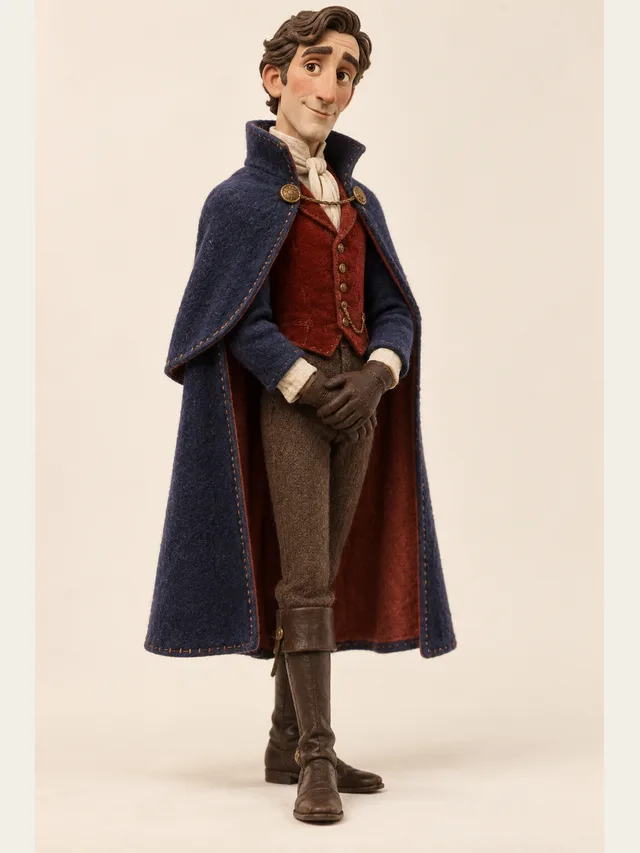
Ashford
Velvet-voiced villain who apologises before he ruins you
en-GB · English (United Kingdom)
British voices carry particular conventions in English-language fiction — fantasy, literary narration, period drama and the courteous villain. This is the part of the library built for that work.
Ashford
Velvet-voiced villain who apologises before he ruins you

Gran Thea
Grandmother telling a folk tale she half believes

Dorian
Audiobook baritone for literary fiction and slow reveals

Seraphine
Court princess whose politeness is a weapon

Rook
Pirate quartermaster, salt in the throat, jokes in the threat

Torvald
Knight commander who gives orders that men actually follow

Mabel
Village witch, more herbs than hexes, very tired of adventurers

Delphi
Oracle who answers the question you should have asked
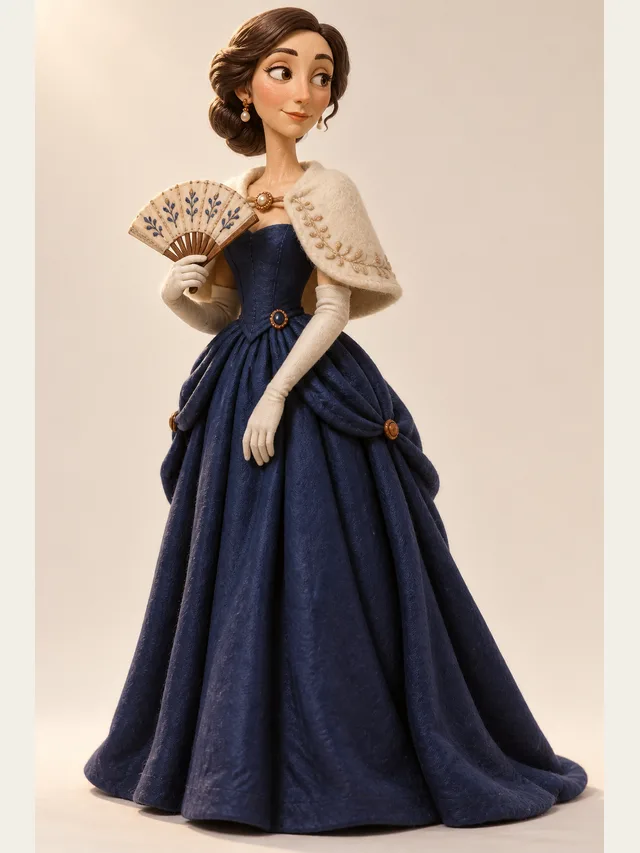
Solène
Continental accent, unhurried, very expensive sounding
The convention is historical rather than logical: a generation of British-produced literary and fantasy adaptations established the association, and audiences now read a British accent in a fantasy setting as neutral where an American one reads as a choice. Knowing it is a convention is useful, because it means you can break it deliberately.
The practical consequence is that British voices are over-represented in fantasy casting and worth spending on the roles where the convention helps — nobility, mentors, narrators — while leaving other roles free.
Most of these voices sit near Received Pronunciation or near-RP, which is a narrow slice of how the country actually speaks and carries strong class associations. For stories where those associations are the point, it is exactly right; for stories set outside that world, it is as generic as any other broadcast standard.
Regional British accents are planned and not shipped. Where a regional voice is essential, that is a case for recording rather than generating, and we would rather say so.
Screenplay, prose or Name: lines all work.
British narration is the strongest part of this set; choose it before the characters.
British spelling is handled, but check any word where the two standards differ in pronunciation, not just in spelling.
The register suits understatement. Marking fewer lines produces a stronger result here than in most casts.
Mixed file for a share, stems for scoring, SRT for captions.
Yes — spelling and pronunciation are handled separately, so an American-spelled script read by a British voice sounds British. The mismatches to watch are vocabulary and idiom, which no voice setting fixes.
Not in this release. They are frequently requested and we would rather ship none than ship approximations, which land as parody.
The literary baritone and the elegant, unhurried registers both hold up over hours. Audition on a dense paragraph and listen for three full minutes before deciding.
It is, and it still works, which is why it persists. If you want to avoid it, the interesting move is to cast the courteous register for the hero and something plainer for the antagonist.
Paste a script, let CastDub assign a voice to every character, and export a finished drama.
Create for freeNo credit card. Free plan renews every month.