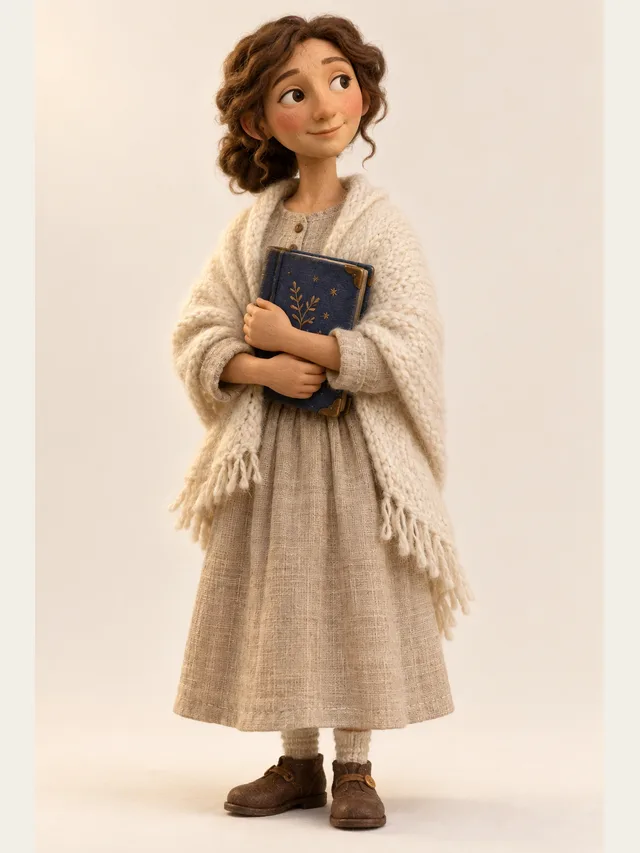
Wren
Bedtime narrator who never wakes anyone
Voice category
Warmth is the most-requested quality and the hardest to describe. It is not softness and it is not slowness — it is a voice that sounds like it is on your side. These are the voices people pick for narrators, for mothers, for the friend who tells the truth kindly.
Wren
Bedtime narrator who never wakes anyone
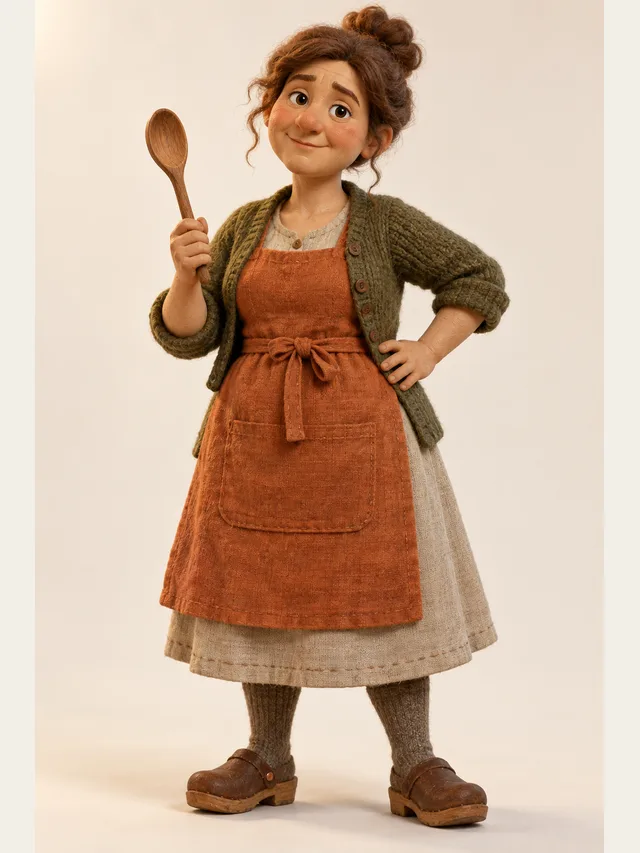
Hazel
Patient, then suddenly not

Gran Thea
Tells a folk tale she half believes

Halcyon
For slow, quiet, unhurried scenes
Samples are placeholders while the public demo audio is produced. Every voice is available on every plan — the library is not a paywall.
When listeners are asked to rate voices for trustworthiness, the acoustic feature that predicts the rating best is not pitch or timbre. It is what the voice does at the end of a phrase. Falling intonation reads as settled and certain. Rising intonation reads as questioning, tentative, or — in commercial contexts — as selling something.
This is useful because it is controllable. You cannot change a voice's fundamental timbre, but you can write in complete declarative sentences, avoid strings of questions, and put full stops where you might have used commas. All three push the delivery towards falling endings, and the voice will read as warmer without any setting changing.
Most projects need a narrator, and the narrator is the voice the audience spends the most time with. Casting is therefore worth much more attention than any single character, and yet it is usually the decision people make fastest.
Two practical tests. First, audition on your worst paragraph, not your best — the one with the awkward names or the dense exposition. Second, listen to a full three minutes rather than three sentences. Narrator fatigue is a real phenomenon and it only appears at length; a voice that is charming for ten seconds can be unbearable for ten minutes.
Warm voices smooth things over, which is a problem when the material needs edges. Thrillers, satire, and anything with a sharp comic register are usually better served by a cooler, drier voice — warmth in a satirical piece reads as the writer apologising for the joke.
Warmth is also a poor default for instructional content beyond a certain length, where clarity matters more than comfort and the slightly breathy quality that produces warmth reduces consonant definition.
In a multi-voice drama, warmth is best treated as one colour among several rather than as the house style. A cast where every voice is warm has no texture; the listener cannot tell who is speaking and, worse, cannot tell who to care about.
Give warmth to one or two characters and let the rest be bright, dry, sharp or cold. The warm voice then carries a specific meaning inside the story — this is the person you can rely on — which is a narrative tool rather than a tonal preference.
Warmth is easy to judge in ten seconds and hard to judge in thirty minutes, and they are different judgements. The qualities that make a voice feel warm — a slightly breathy tone, unhurried pace, falling phrase endings — can become soporific at length, which is fine for a bedtime story and a problem for a documentary.
The practical test is to render a full three minutes of your real text and listen while doing something else. If your attention drifts and you cannot get it back, the voice is too soft for the material; if you find yourself following without effort, it is right.
One useful adjustment: if a warm voice is losing you over length, raise the pace slightly rather than changing voice. A small increase preserves the warmth and restores enough forward motion to hold attention, and it costs nothing to try.
Any voice sounds warm reading a kind sentence. Audition on a line delivering bad news — a genuinely warm voice stays warm there, and that is the one you want.
Warmth correlates with unhurried pace, but too slow becomes patronising. A small reduction is usually enough.
Pushing happiness makes a warm voice sound performed. The quality you want sits just above neutral, not at the top of the range.
Warmth registers against something. Put the warm character in a scene with an anxious or cold one and both read more clearly.
Warm voices are usually consumed quietly — bedtime, commutes, background. Check that consonants survive at the volume your audience actually uses.
A relatively low pitch for its range, a slightly breathy tone, an unhurried pace, and — most of all — falling intonation at the ends of phrases. Rising endings sound uncertain or salesy; falling endings sound settled, which the listener reads as trustworthy.
No. Soft voices can be cold and warm voices can be loud. Conflating the two is why people end up with narrators who are pleasant but inaudible on a phone speaker.
They work well, and the settings advice is the same: slow, quiet, falling endings, generous pauses. For long sleep content, check a full twenty minutes before publishing, because small artefacts that are invisible in a one-minute test become very noticeable in silence.
It is one of the strongest villain choices available. A voice the listener has been trained to trust, saying something they should not trust, is genuinely unsettling, and it costs nothing to try.
A warm adult voice, almost always, with child voices used only for dialogue. This is the standard convention in published children's audio and it survives because it works — children find a steady adult narrator easier to follow.
Yes. Five minutes a month is enough to audition several narrators on the same passage, which is the comparison that actually settles the decision.
Paste a script, let CastDub assign a voice to every character, and export a finished drama.
Create for freeNo credit card. Free plan renews every month.