
Inés
Bilingual lead who switches register mid-sentence
es-419 · Español
All forty characters perform in Spanish, behind the same ten base voices the rest of the site uses. What you get is general Latin American Spanish: there is no way to ask for Madrid or Buenos Aires or Bogotá, and we would rather say that than let you discover it at export. Region in a Spanish script is carried by the words — the verb forms, the vocabulary, who calls whom what — and that part is entirely in your hands.
Inés
Bilingual lead who switches register mid-sentence

Cass
Seventeen and furious about it, in a good way

Koji
Rival character: clipped, competitive, secretly loyal
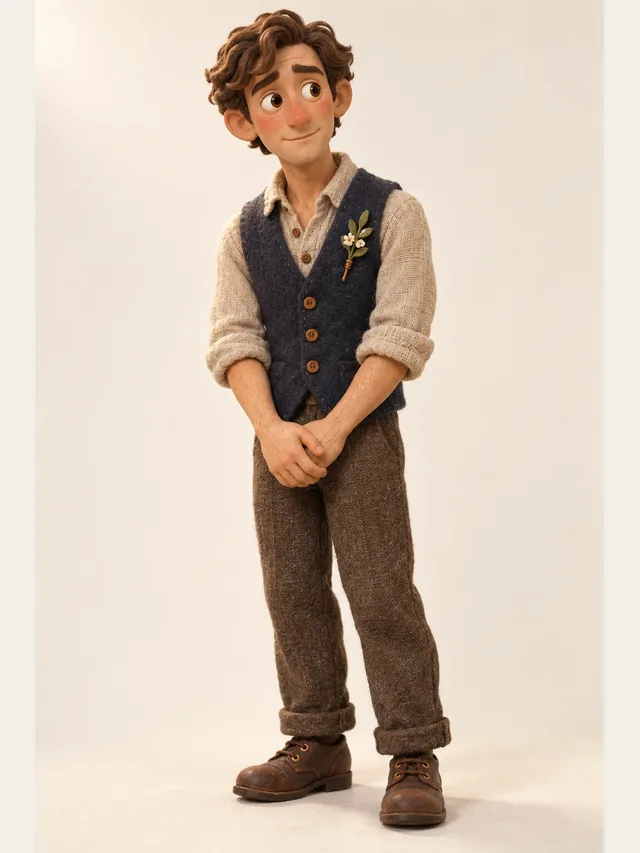
Ezra
Visual-novel love interest with a two-second pause before honesty
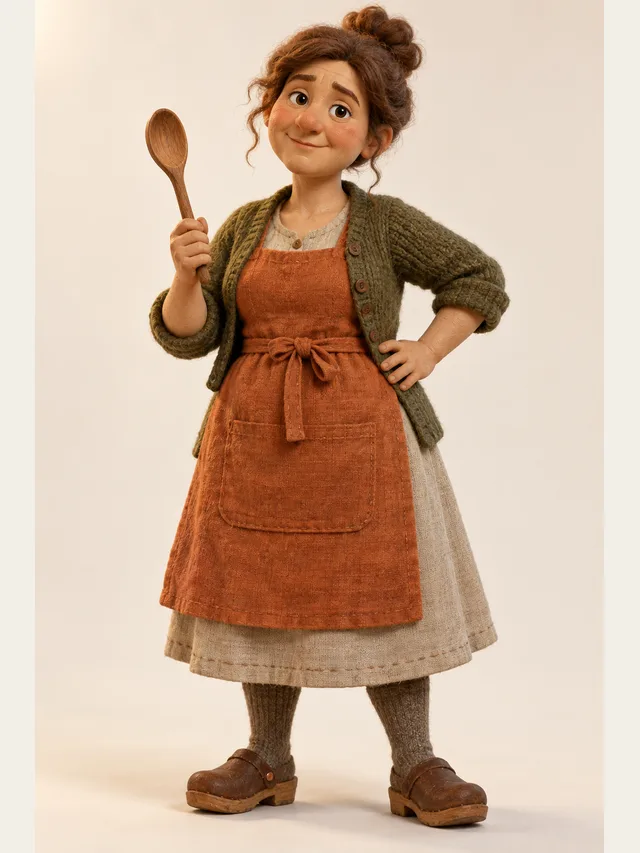
Hazel
Mum voice: patient, then suddenly not

Hale
Documentary narrator with a hand on the listener's shoulder

Kestrel
Low, weary swordswoman who has already lost this war once
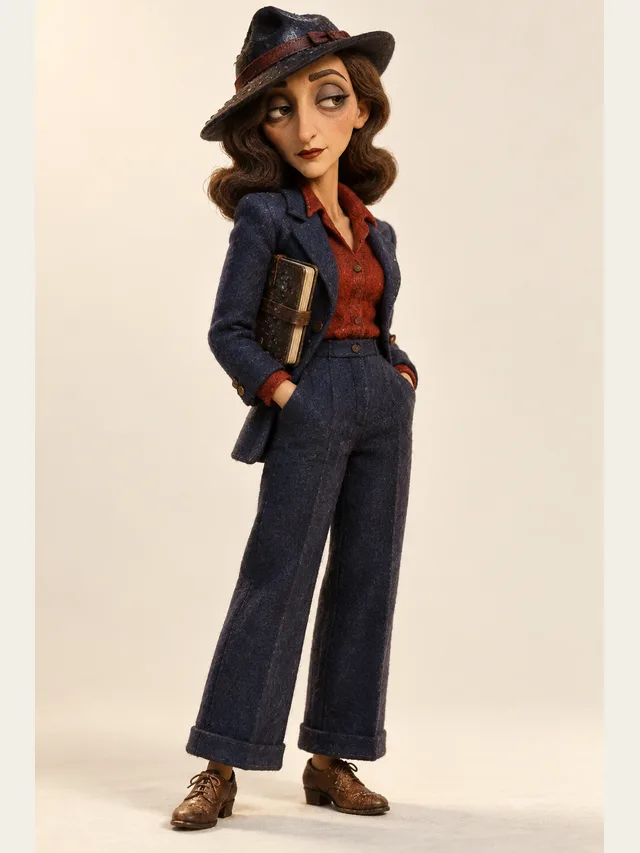
Sable
Noir detective narrating her own bad decisions

Rook
Pirate quartermaster, salt in the throat, jokes in the threat

Duke
Trailer voice. Three words per breath. All of them heavy.

Gran Thea
Grandmother telling a folk tale she half believes

Bram
Tavern keeper and accidental quest giver
See all 40 characters — every one of them performs in Spanish →
Spanish varieties separate in the first sentence. Peninsular speech distinguishes the /θ/ in cielo and caza; Latin American speech uses seseo and does not. Rioplatense adds its own rehilamiento, so calle and yo come out with a sound no other variety uses. A listener places a character by this before they process a word of content, which is exactly why it is worth being straight about what the site does: the performance is general Latin American Spanish, and the accent is not a control we offer.
So the accent will not do your regional work, and pretending otherwise would be the worst kind of promise to make here. What carries region instead is the text — verb forms, address, vocabulary, the rhythm of an insult — and a listener reads all of it. Write the father as a man from Spain and he is one, whatever the accent underneath. What is not available at all is a placeless, fully neutral dubbing register on demand; that is a commercial narration convention anyway, and it is exactly wrong for drama, because belonging nowhere is the one thing a character cannot do. Before you plan a project around any of this, paste two of your own lines in and listen.
The second person is where a Spanish script declares its variety, and it is in your text rather than in any control we offer. Vosotros habláis is Spain and nowhere else; vos hablás is the Río de la Plata and parts of Central America; ustedes covers everything in between. A Peninsular voice reading ustedes is unremarkable. A Rioplatense voice reading vosotros is a mistake the audience hears immediately.
Decide the variety before you translate, not after, because the verb forms are not a find-and-replace away from each other. This is the single most common way a Spanish localisation gives itself away, and no amount of voice selection repairs it.
There are no children's voices in Spanish, and none in any other language here. A child character is performed by an adult voice playing young — often a woman playing a boy, which is how animation has always cast children. It reads as a performance of a child rather than as a nine-year-old, and direction does not close the gap. For a family drama, which is most of what Spanish-language audio gets used for, this is the thing to design around: write the young roles as teenagers, or let a warm adult narrator carry them.
Above that band the range is what the ten base voices give you: four female, five male, one neutral, each fixed to the characters that use it and separated by persona and direction. A project keeps its characters on different voices until those ten are spoken for, so an ensemble of up to ten separates on its own, and on Free and Basic the per-project cast cap will bind long before that does. Two characters who end up sharing a voice are still distinguishable, but by how they play rather than by timbre — worth knowing when you decide who gets the lead.
Six lines in a small restaurant after service, three speakers, all of them characters from this page. The Spanish is the script; the notes after each line are what we would cast and how we would direct it. Inés runs the place, Bram brings the deliveries, Hazel cooks.
Inés: —Llegaste tarde otra vez. — You were late again. Inés is the library's bilingual lead, though that matters less than it looks, since all forty perform in Spanish. Angry is tempting and wrong: the accusation is already in tarde otra vez, and a neutral reading is what makes the other five lines possible.
Bram: —Llegué cuando cerraron la calle. No es lo mismo. — I arrived when they closed the street. It isn't the same thing. Bram is the tavern keeper and lands as the older man defending himself. Neutral. Note the preterite llegué rather than the perfect he llegado: that one choice places the scene in Latin America before the accent does anything at all, and the accent is general Latin American either way.
Hazel: —Es exactamente lo mismo, y los dos lo saben. — It is exactly the same, and you both know it. Hazel is the mother voice and reads as the person who settles things. Keep her default neutral and mark this line if you have line-by-line emotion, which is a Pro control — the preset is happy rather than angry, because she is enjoying being right.
Inés: —Yo no dije nada. — I didn't say anything. Yo is doing the work: Spanish drops the subject pronoun, so writing it in makes it stressed. Listen for whether the stress arrives. If it does not, the lever is not a preset — it is where you put yo in the sentence.
Hazel: —Dijiste «otra vez». Eso es decir bastante. — You said “again”. That says plenty. The quoted otra vez should be audible as a quotation. Audition it once, and if the angle quotes come out as read-aloud punctuation, take them out — the line still works without them.
Bram: —¿Puedo sentarme antes de que me juzguen, o lo hacemos de pie? — May I sit down before you judge me, or are we doing this standing up? The only question in the scene, and the opening ¿ earns its keep: it tells the reader the sentence is a question before the words do. Keep the line whole; if the timing needs help, line-by-line speed on Plus and Pro is the control.
Three speakers, three of the ten base voices, general Latin American Spanish throughout because that is the only accent on offer. Everything regional in the scene — llegaste, saben, juzguen, the preterite — is in the words, which is exactly where this page says it has to live.
Exporting spends download credits and re-exporting the same project spends them again, so listen once to the assembled scene rather than to lines on their own. Six things catch Spanish out more often than the rest.
Second person, end to end. Play the whole export and listen for a tú form in an ustedes scene, or a vos form that survived a translation pass. This is the commonest way a Spanish localisation gives itself away, and it lives in the script rather than in the casting.
Numbers and dates. 25/12, 1.500, 3,5. Spanish writes decimals and thousands with the separators the other way round from English, and a digit does not say which convention it was typed in. Write out anything spoken: veinticinco de diciembre, mil quinientos, tres coma cinco.
Stress-only pairs. Ánimo, animo, animó. Público, publico, publicó. The accent mark is the only thing separating them and a missing tilde is the most common typo in Spanish. Find the three or four that appear in your script and put the tildes back before you render anything.
Anglicisms and foreign names. Wifi, marketing, Michael. Each comes out either Spanish or English, and not predictably. Decide per word which one the character would say, and respell — máiquel — where you need the Spanish reading. Consistency across the export is what gets heard.
Run-on sentences. Spanish joins vowels across word boundaries, so a long sentence has fewer breathing points than its length suggests. Listen for where the intonation stops moving, and break the line into two lines for the same character.
The whole file, in order. Regional slips, second-person slips and anglicism slips are all things you hear in sequence and miss in isolation, so play the mixed export rather than auditioning line by line one last time.
Spain, the Río de la Plata or another Latin American variety — bearing in mind the accent you hear will be general Latin American either way, so the variety has to live in the words. This decision drives the translation, and changing it late is expensive.
A project inherits its language from the CastDub interface you create it in and cannot be switched afterwards, so change the site language before you open a new project.
One utterance per line. Check that your second-person forms are consistent with the variety you chose.
Region is not something you can set, so judge what you actually get: run two library characters per role on a real line from your script and keep the one that sounds like the person you wrote.
Mixed file on any plan, SRT from Plus, one track per character on Pro.
Ten — the same ten as in every language here. All forty characters perform in Spanish, and casting inside a project avoids repeats until those ten are used up, so that is how many can sound genuinely different at once.
Latin American, in a general accent rather than any one country's. European Spanish is not offered as a choice, and neither is a specific Latin American variety. If your script is written for Spain, the vocabulary and the verb forms will carry that; the accent underneath will not.
No. Accent is not a control here, and outside English the performance is the general accent of the language. What you can do is write the region into the character's words, and audition the library characters on your own lines to pick the one that fits the person.
No, and none in any other language here. A child character is performed by an adult voice playing young, the way animation casts children, so a boy is often played by a woman. The child characters do perform — they are simply performed by adults, which is audible. We would rather say so than let you find out at export.
Ordinary cases are usually right, but Spanish and English swap the decimal and thousands separators, and a digit does not carry its convention with it. Anywhere a number is spoken, write it in words: veinticinco de diciembre, las ocho y media, tres coma cinco, mil quinientos. There is no override for a misread number, so writing it out is the whole method — it costs about a minute per script and it removes the guesswork.
They get read, and whether they come out sounding English or Spanish is not something you can set. That is right for a character who would code-switch and wrong for one who would not. Audition each one in place; where you need the Spanish reading, respell it the way a Spanish speaker would write the sound, and where you need the English one, leave the English spelling. What a listener actually notices is inconsistency across the export rather than any single word.
Paste a script, let CastDub assign a voice to every character, and export a finished drama.
Create for freeNo credit card. Free gives you a one-time pot of credits.