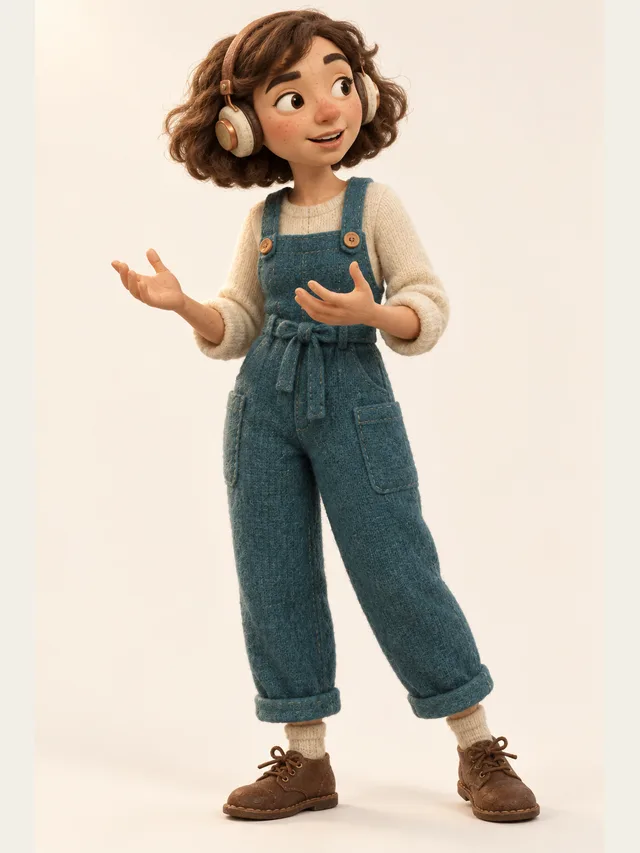
Juno
Host who thinks out loud
Voice category
Scripted podcasts are the format synthetic voices suit best: written in advance, consumed in audio only, and usually made by one or two people with no studio. Cast the hosts, cast the interviewee, render the episode.
Juno
Host who thinks out loud
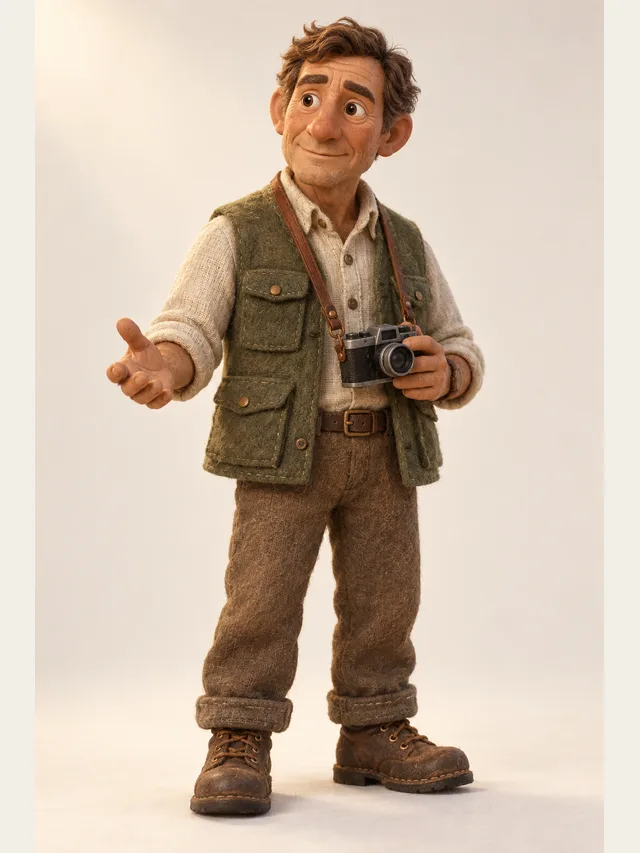
Hale
Narrator for the documentary segments
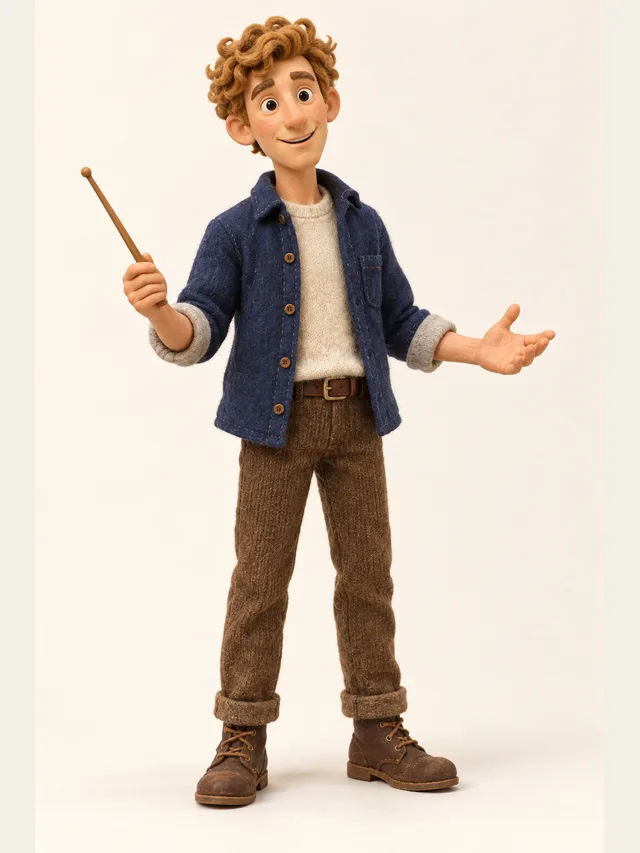
Quill
Co-host who never sounds bored
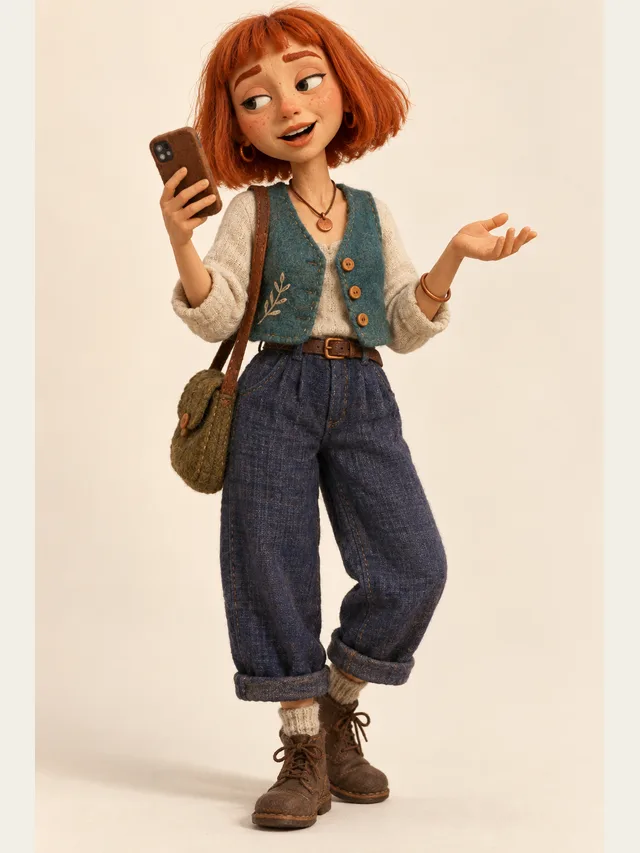
Indie
Fast, flat, faintly amused
Samples are placeholders while the public demo audio is produced. Every voice is available on every plan — the library is not a paywall.
Podcasting splits roughly into conversational shows, where two people talk without a script, and scripted shows, where every word is written in advance. Synthetic voices are close to useless for the first and genuinely good at the second, because a scripted show is already a performance of a written text — which is precisely what these tools do.
Within scripted podcasting, narrative fiction and documentary-style storytelling are the strongest fits. Both have a narrator holding the structure and characters or interviewees appearing inside it, which maps exactly onto a cast-and-render workflow.
The difference between transcribed speech and written dialogue is visible on the page: real speech has false starts, repeated words, filler and sentences that end early. Written dialogue is tidy. When a tidy script is performed, it sounds like a performance — which is fine for drama and wrong for a conversational podcast.
The fix is to write the untidiness in. Put the "yeah, no, I mean" on the page. Give the co-host short interjections on their own lines. End a sentence early and let the other host finish the thought. None of this requires a feature; it requires deciding to write it.
Podcast listening data is consistent across platforms: the largest drop-offs happen in the first ninety seconds and at segment boundaries. Two structural habits follow. Start with content rather than with a long branded intro, and make every transition do some work — a question, a hook, a change of voice.
Voice changes are underrated as attention tools. Switching from a host to a narrator, or introducing a new character, resets attention in a way that no amount of energy in a single voice can. A cast gives you that lever on every segment boundary.
Podcast audiences are unusually attached to hosts, which is exactly why undisclosed synthetic hosts go badly when discovered. Put a line in the show notes. It costs nothing and it changes the conversation from deception to craft.
There is one absolute limit: do not generate a voice that sounds like a real, identifiable person and present it as them. That is impersonation regardless of intent, and it is the fastest way to lose both a show and an account.
Podcast analytics are brutally consistent: the largest single drop-off happens in the first ninety seconds, and a long branded intro at the top of an episode is the most reliable way to cause it. The structure that retains listeners is content first — thirty seconds of the most interesting thing in the episode — then the intro, then the body.
This matters more for a generated show than a recorded one, because a synthetic voice has less of the incidental warmth that buys a human host a few seconds of goodwill. You have to earn attention with the writing rather than with personality.
Generated dialogue arrives clean and consistent, which sounds like an advantage and creates one specific problem: it sits on top of a music bed rather than in it. The fix is the same one broadcast has used for decades — duck the bed under the speech, and add a very small amount of room tone under the dialogue so it occupies a space rather than floating.
Both are one-time decisions you can save as a template. Once set, every episode sits properly without further thought, which is exactly the kind of problem worth solving once.
A two-host podcast is a conversation with interruptions, agreement noises and half-finished sentences. An essay split between two voices sounds exactly like an essay split between two voices.
Hosts must be distinguishable within one sentence, because listeners do not have faces to look at. Pick different pitch bands and different speaking speeds.
Cold open, intro, body segments, outro. Render them separately so you can rework the middle without touching the top.
Podcast attention drops steadily. Put your highest-energy delivery at the segment transitions where listeners decide whether to stay.
Take the per-voice stems so your theme, stings and beds can sit under the dialogue properly instead of fighting a pre-mixed file.
Some will, especially in unscripted-sounding formats where the polish gives it away. Narrative and documentary formats hide it much better because listeners expect a scripted read. Disclosing it in the show notes is both honest and, in our experience, less damaging than being found out.
Mostly through writing. Contractions, false starts written out, short interruptions and agreement noises on their own lines do more than any setting. The polished-essay problem is a script problem, not a voice problem.
Yes, and it is a common setup: host yourself, generate the co-host or the archival characters. Record at a similar level and in a reasonably dry room, and the two sit together fine.
Generating a fake interview with a real person is not acceptable and our terms prohibit it. Generating an interview with a fictional character, or a dramatised historical reconstruction that is clearly labelled as such, is fine.
Episode length is limited by your monthly minutes rather than by any per-render cap. Creator gives sixty minutes a month, which covers a weekly fifteen-minute show; Studio's two hundred covers most weekly formats comfortably.
Not strictly, but transitions are much clearer with it, and synthetic dialogue benefits from the texture. A short sting between segments also covers the joins between separately rendered sections.
Paste a script, let CastDub assign a voice to every character, and export a finished drama.
Create for freeNo credit card. Free plan renews every month.