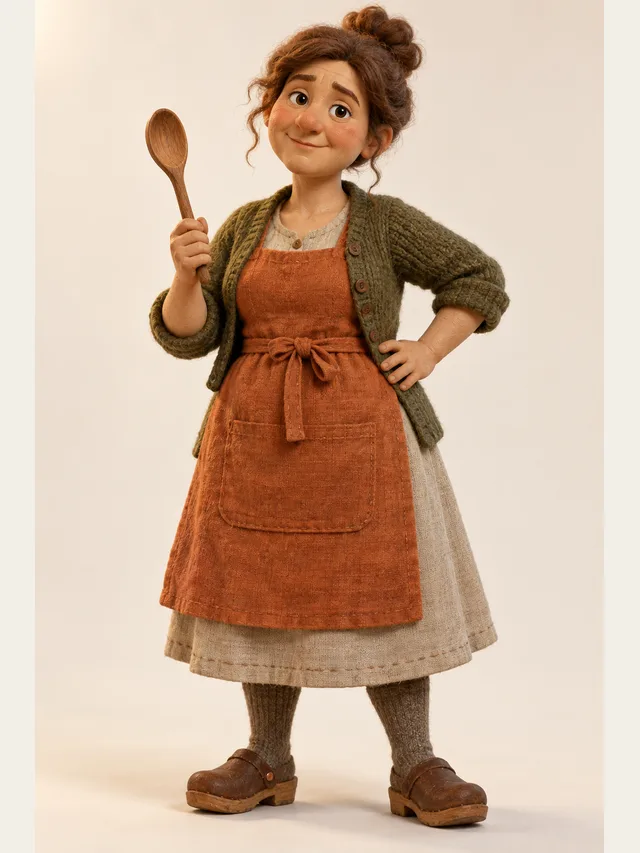
Hazel
Mum voice: patient, then suddenly not
Cloning
Voice cloning is the feature with the largest gap between what is technically easy and what is acceptable. We have built the consent step into the flow rather than into the terms of service, because a checkbox is not a record and a record is the whole point.
Hazel
Mum voice: patient, then suddenly not
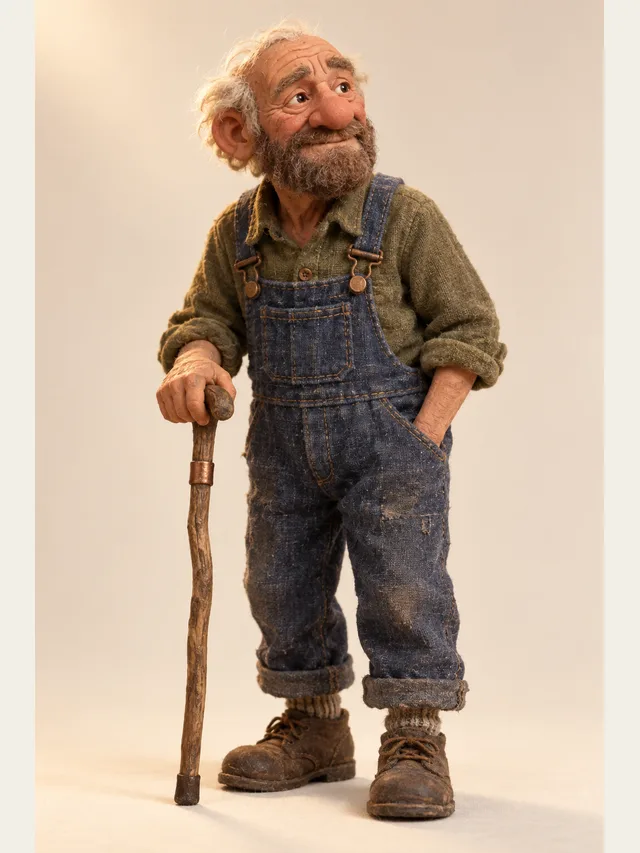
Orrin
Old man on a porch who remembers the flood
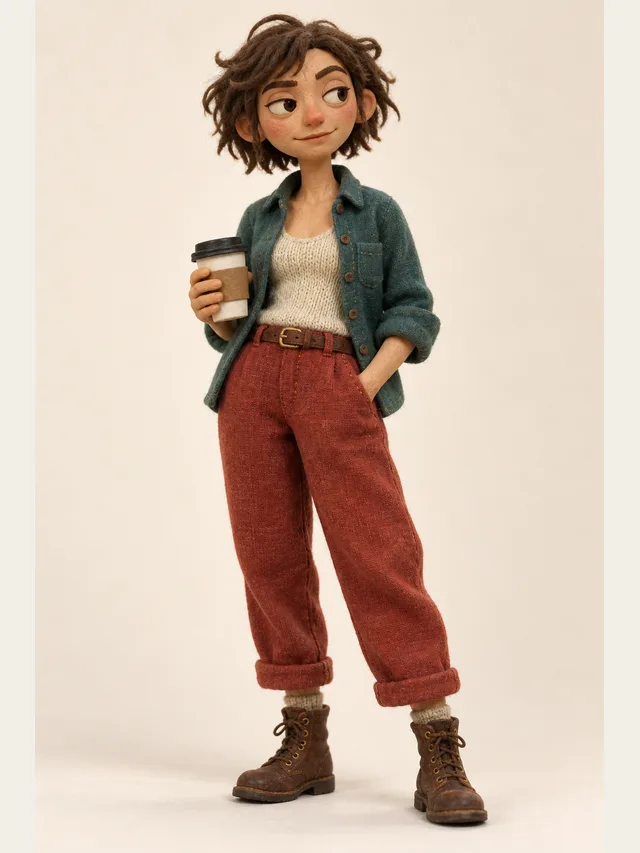
Tess
Australian lead with a flat, dry delivery
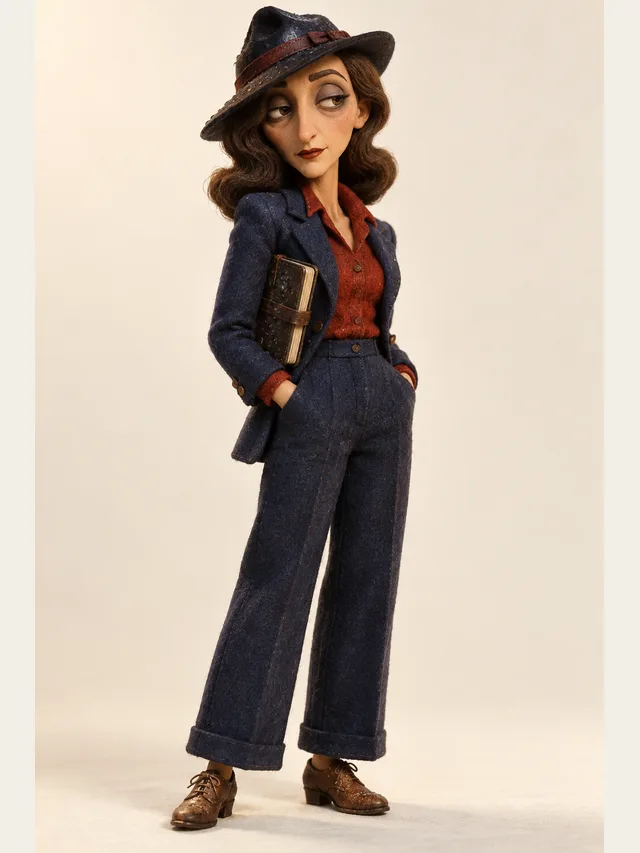
Sable
Noir detective narrating her own bad decisions
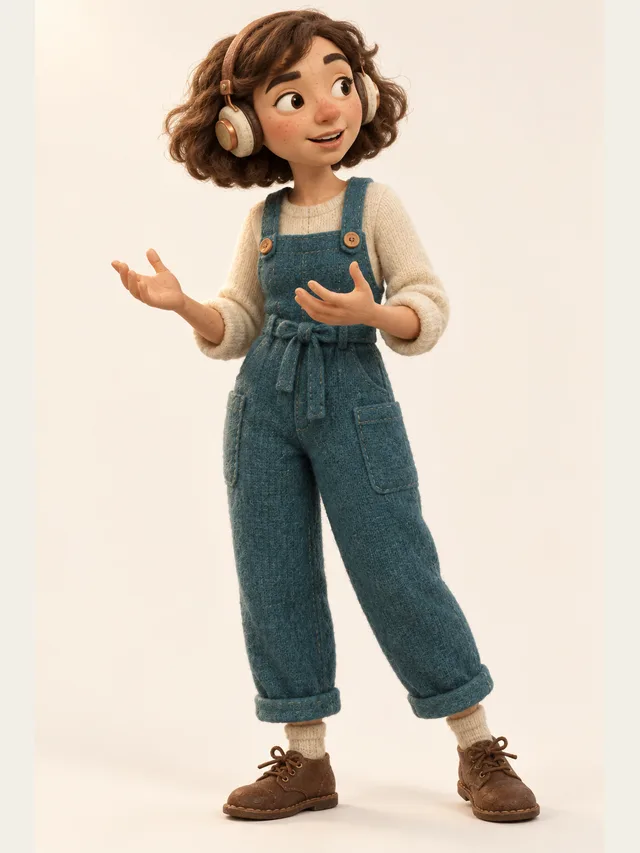
Juno
Podcast host who thinks out loud and never reads a script
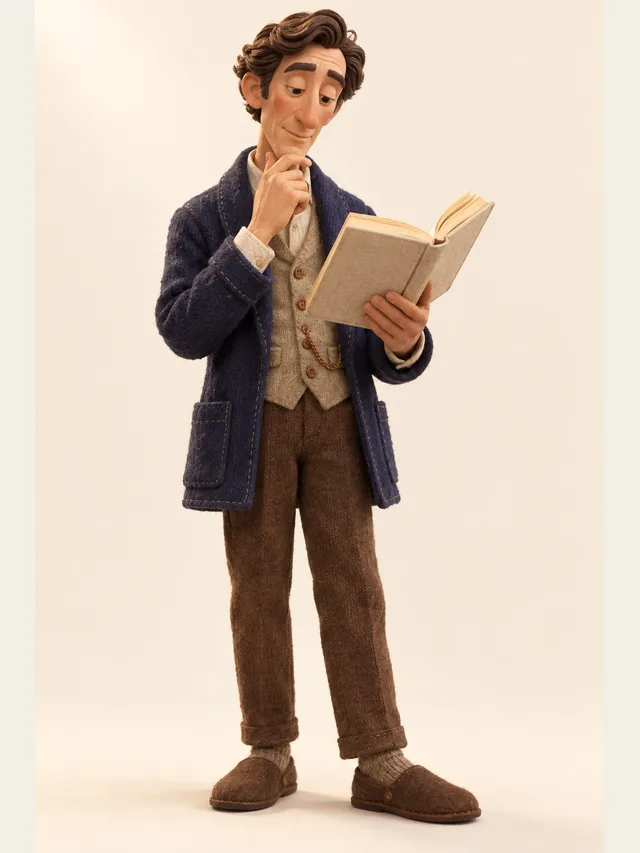
Dorian
Audiobook baritone for literary fiction and slow reveals
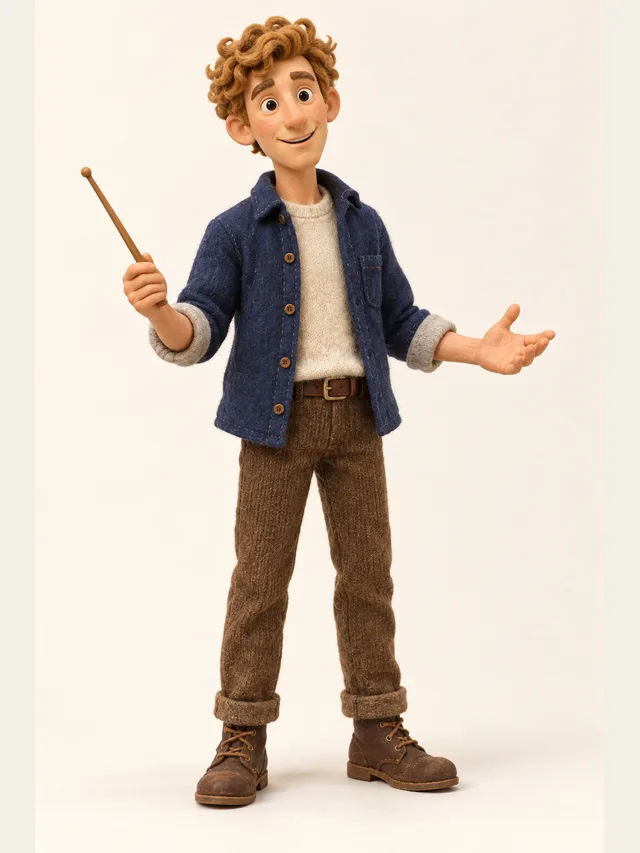
Quill
YouTube explainer voice that never sounds bored
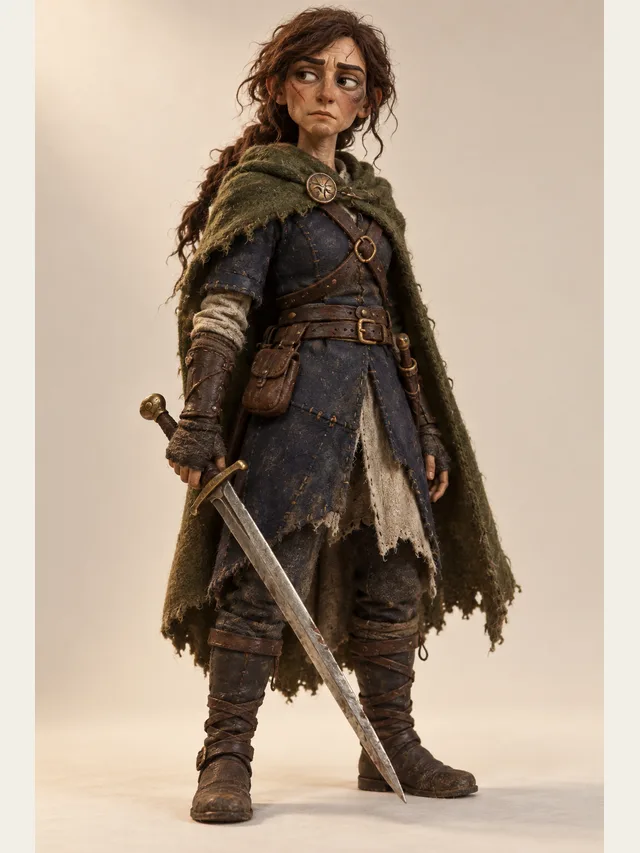
Kestrel
Low, weary swordswoman who has already lost this war once
A quick model built from a short sample. Good enough for a character voice, for prototyping and for hearing your own voice read a script. It will not fool anyone who knows you well, and that is a feature rather than a shortcoming.
A higher-fidelity model from a longer, properly recorded sample. Suitable for a recurring lead in a series. Needs a quiet room, a consistent microphone position and varied material — reading one paragraph five times produces a worse model than reading five different ones.
Before a model is built, the person whose voice it is records a short spoken statement confirming who they are and that they consent. This applies to your own voice too. No statement, no model, and the statement stays attached to the model as its provenance record.
Creator has one slot, Studio three, Team ten. A slot is a persistent model you can replace. Slots rather than per-clone pricing means experimenting with your own voice does not cost money each time.
The person whose voice was cloned can have the model deleted, whether or not they own the account that created it. Withdrawn consent is consent withdrawn, and we do not require a reason.
Once built, a clone is assignable to a character, directable per line and storable in a character card exactly like any other voice. Nothing else in the workflow changes.
Instant for a character or a prototype; Professional for a recurring lead who carries a series.
The person whose voice it is reads a short statement naming themselves and confirming consent. This is the gate, not a formality.
Quiet room, consistent distance from the microphone, varied material. Thirty seconds for Instant, five minutes for Professional.
Test the model on a line from your actual script rather than on the sample text, which it will always handle well.
Attach the clone to a character card so it persists across scenes and episodes like any other voice.
Every cloning product has a clause in its terms saying you must have permission. Clauses are unenforceable and unverifiable: the platform has no idea whether the person in the recording agreed, and after the fact there is nothing to check.
A recorded consent statement changes that. It is a small amount of friction — perhaps a minute — and it produces an artefact that ties the model to a specific person's stated agreement at a specific time. If a dispute arises later, there is something to examine rather than a checkbox someone ticked.
It also has a useful filtering effect. The uses that cannot produce a consent recording are, almost without exception, the uses that should not happen.
Public figures and performers, including under a parody or research framing. A synthetic recording of an identifiable person is indistinguishable from a real one once it leaves your project, and no disclaimer travels with an audio file.
Minors, under any circumstances, including with parental consent. A model of an identifiable child's voice is a tool for impersonating that child, and no creative requirement justifies creating one.
Deceased people. This is the request we handle most often and most carefully, usually from someone who wants to hear a parent or grandparent again. Consent cannot be obtained, and in most jurisdictions an estate cannot grant it retroactively. What we can help with is casting a voice that sits in the register you remember and using it as a character rather than as an impersonation.
Three things dominate quality and none of them is the model tier. Room: a soft, quiet space with no hard parallel surfaces beats an expensive microphone in a kitchen. Consistency: the same distance and angle throughout, because a model trained on varying proximity produces varying output. Variety: read different material rather than the same paragraph repeatedly, so the model sees a range of phrasing.
Also record more than you think you need and use the best of it. A Professional clone from four excellent minutes beats one from eight uneven ones.
Yes, and it is the main legitimate use. You still record the consent statement — the flow is identical, which keeps the provenance record consistent across every model in the system.
Sample length and fidelity. Instant needs about thirty seconds and produces a usable character voice. Professional needs about five clean minutes and produces something that holds up as a recurring lead across hours of audio.
Yes, if they record the consent statement themselves. You cannot record it on their behalf, and a written message saying they agree is not a substitute.
The account that created it, and the person whose voice it is. Withdrawn consent is honoured without requiring a reason, which is the only version of consent that means anything.
No. That is a performer's voice, and cloning it is prohibited regardless of how transformative the project is. Cast a voice in a similar register instead — it is legal, it works, and it is what most people end up preferring anyway.
No. Creator includes one slot, Studio three, Team ten. Clone slots are one of the three things the paywall is built on, alongside emotion control and cast size.
Paste a script, let CastDub assign a voice to every character, and export a finished drama.
Create for freeNo credit card. Free plan renews every month.