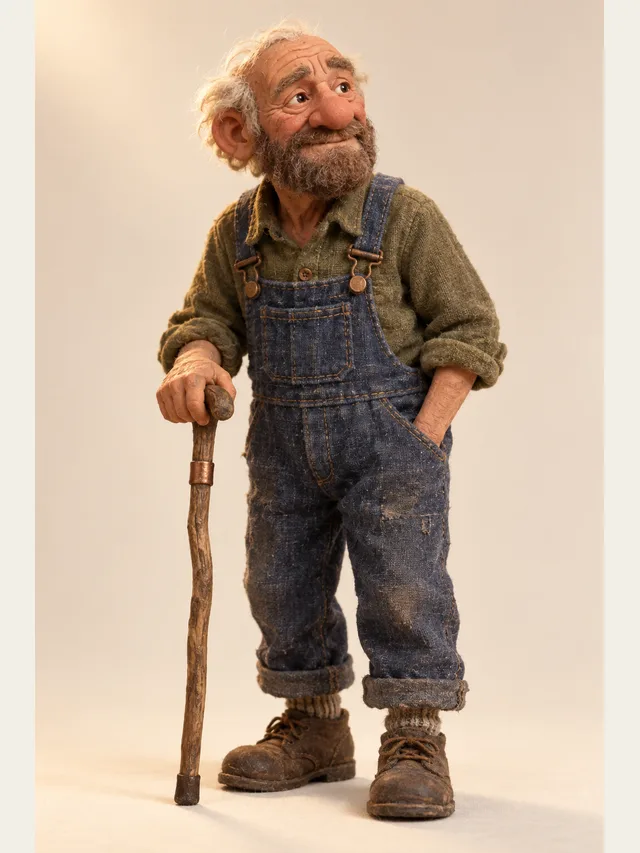
Orrin
Old man on a porch who remembers the flood
Voice category
The old man is a structural role. He is the one who knows the history, delivers the warning nobody heeds, and closes the story. That job needs a voice with wear in it — not just a lower pitch, but slower phrasing and air in the tone.
Orrin
Old man on a porch who remembers the flood
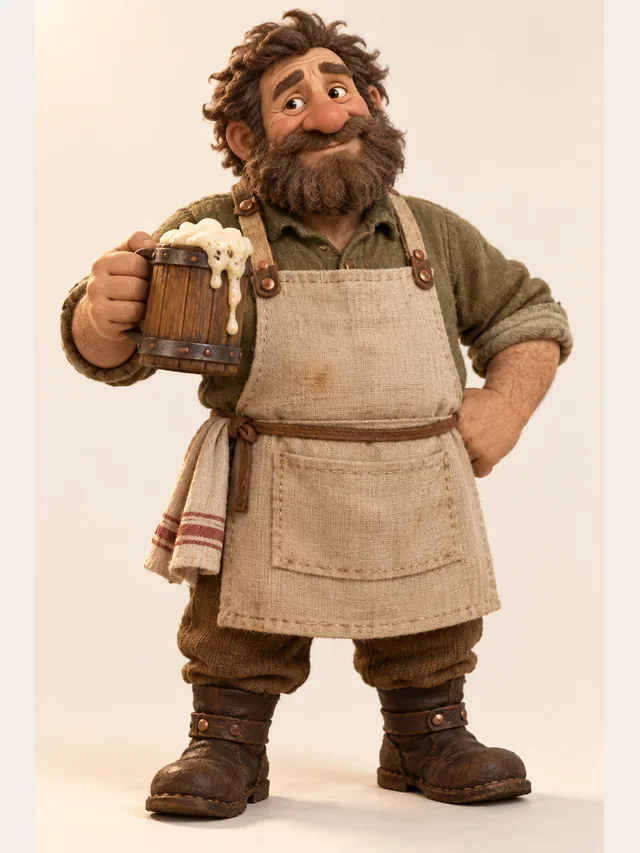
Bram
Tavern keeper, forty years behind the same bar
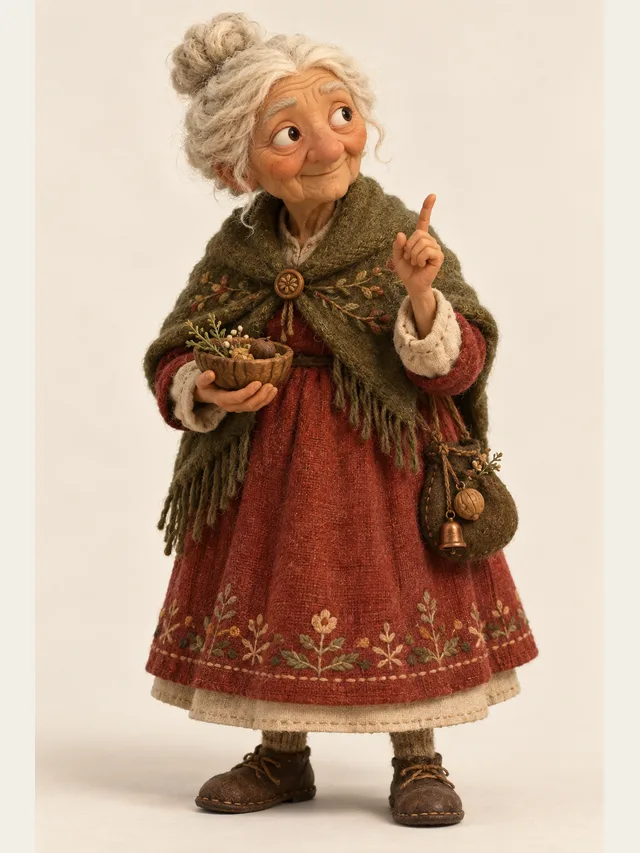
Gran Thea
Grandmother telling a tale she half believes
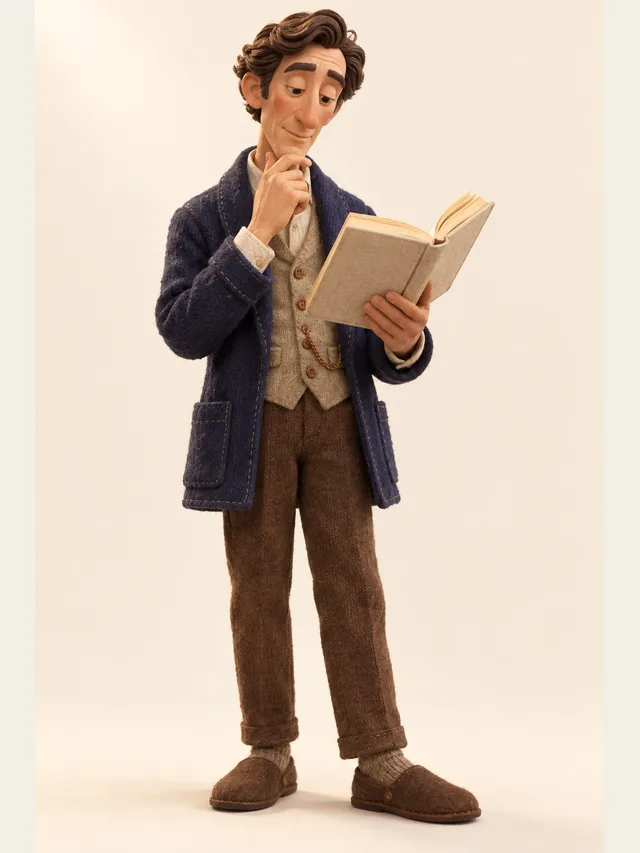
Dorian
Baritone for literary fiction and slow reveals
Samples are placeholders while the public demo audio is produced. Every voice is available on every plan — the library is not a paywall.
Ask people to imitate an old man and almost all of them lower their pitch and add a wobble. Neither is the main cue. Listeners judge age primarily from timing — the length of pauses, the speed of consonants, and how much of a phrase is delivered on one breath — and secondarily from the amount of air mixed into the tone.
This matters practically because the settings you reach for first are the wrong ones. Slowing the pace by a small amount will age a voice more convincingly than dropping the pitch a lot, and the result will not sound processed.
Across genres the elder voice does four jobs: the mentor who explains the rules, the witness who remembers the event the story hinges on, the narrator framing a story told in retrospect, and the authority figure whose calm is more threatening than shouting. Each wants a different flavour. The mentor should sound warm and slightly amused, the witness tired, the narrator steady, the authority figure absolutely level.
Identifying which of the four you are writing before you audition saves a lot of time. People often spend an hour auditioning voices when their real problem is that they have written a mentor and are casting a narrator.
Elder characters in fiction tend to speak in complete thoughts, with fewer interruptions and less hedging than younger characters. They are also the characters most likely to be given exposition, which is where the writing gets dangerous — a paragraph of history read aloud is a paragraph of history read aloud, no matter who reads it.
The usual fix is to break exposition into exchanges. Give the younger character two interruptions, and suddenly the same information is a conversation. It also gives the renderer something to do, because alternating voices hold attention where a single long block does not.
A recurring request is cloning an elderly relative's voice, usually from old recordings, sometimes after they have died. We understand why people want this, and it is the request we handle most carefully. Our policy requires documented consent from the person whose voice it is, which for a deceased relative cannot be obtained, and estates cannot grant it retroactively in most jurisdictions.
What we can do is help you cast a voice that resembles the register you remember, and use it for a character rather than as an impersonation. That distinction — a character who sounds like someone, rather than a claim to be them — is both the ethical line and, in practice, the legal one.
A low voice is not an old voice. Audition on a line with a pause in it — age shows in how a performer handles the gap, not in the bottom note.
Drop the pace below your default for elder characters. Ten per cent slower changes the perceived age more than any pitch adjustment.
Elder characters in fiction speak in complete, unhurried thoughts. Long sentences that would sound stiff on a teenager sound authoritative here.
The common mistake is marking every elder line as sad. Keep them neutral and let one deliberate drop into sadness carry the whole scene.
Render the full scene rather than the character alone — an elder voice reads as old mainly in contrast with the younger voices around it.
There are voices with visible age in them, but true frailty — breath catching, a wavering line — is at the edge of what synthesis does well. If frailty is the point of the scene, expect to do some editing, and consider recording the two or three lines that carry it.
Yes. The library has senior voices across genders, and the same advice applies to all of them: pace and phrasing carry age, pitch does not. The slug says old man because that is what people search for, not because the page is only about men.
It can, and a worn narrator suits memoir, historical fiction and folklore particularly well. Listen to a full chapter before committing — characterful voices are more tiring over hours than neutral ones, and that only shows up at length.
Cut the effects. Caricature comes from stacking cues — very low pitch, very slow pace, heavy sadness, plus a quavering write-up. Pick one cue and let it do the work.
It is one of the most effective villain casts there is, precisely because it arrives with implied authority. Keep the delivery calm; menace in an old voice works through certainty rather than volume.
Yes. Free gives five minutes of finished audio a month and two cast members, which is enough for a two-hander between an elder and a younger character.
Paste a script, let CastDub assign a voice to every character, and export a finished drama.
Create for freeNo credit card. Free plan renews every month.