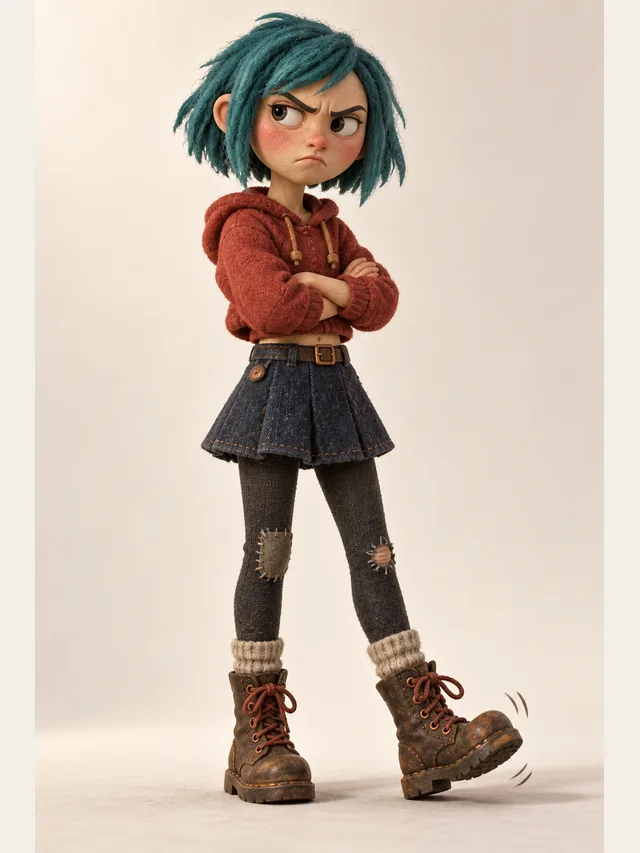
Cass
Seventeen and furious about it, in a good way
ko-KR · 한국어
All forty characters perform in Korean, behind ten base voices. Ten is the honest ceiling: no two characters in one project are handed the same voice until those ten are used up, and past that two of them share a throat. The other thing worth knowing before you start is that the most important information in Korean dialogue — who outranks whom, who is close to whom — is carried by verb endings in your text, not by anything you can choose in the cast list.
Cass
Seventeen and furious about it, in a good way
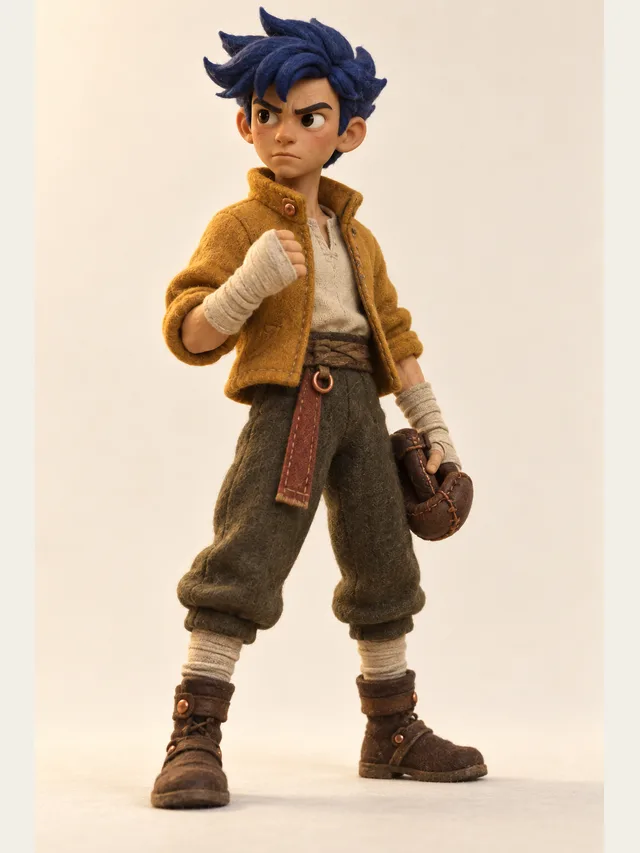
Koji
Rival character: clipped, competitive, secretly loyal
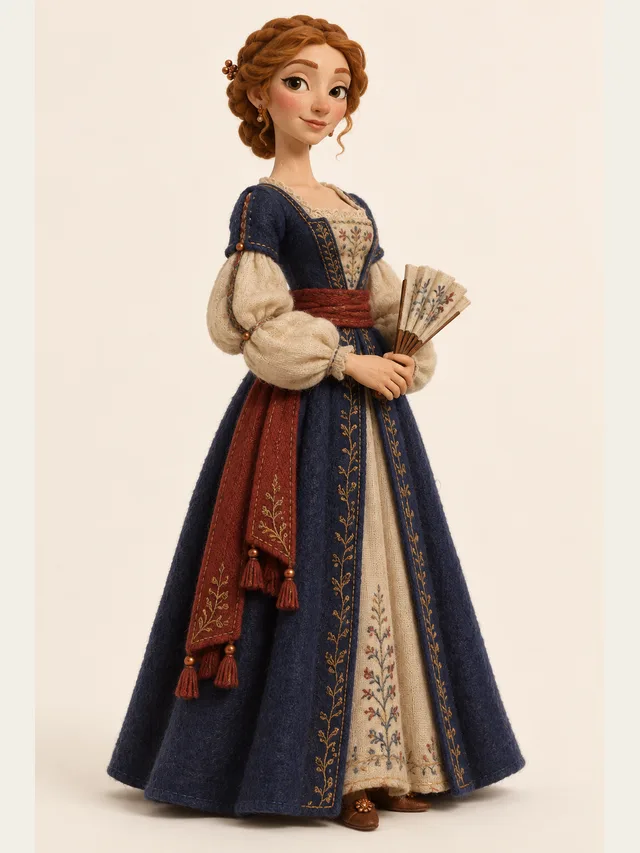
Seraphine
Court princess whose politeness is a weapon
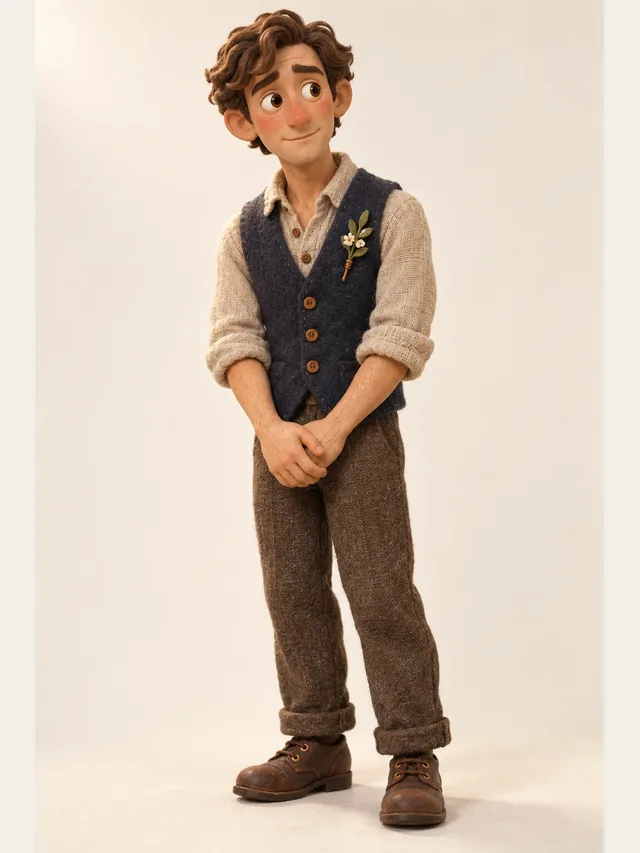
Ezra
Visual-novel love interest with a two-second pause before honesty
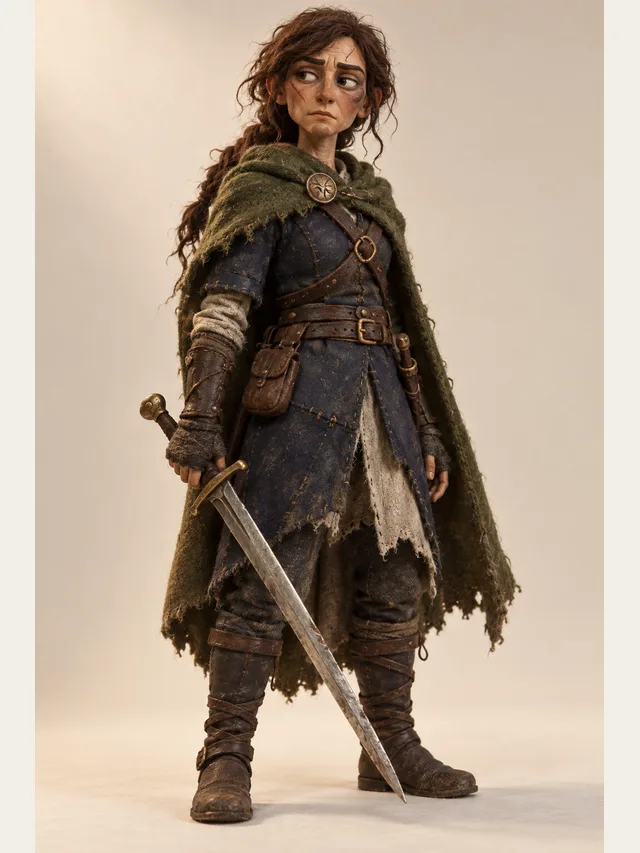
Kestrel
Low, weary swordswoman who has already lost this war once
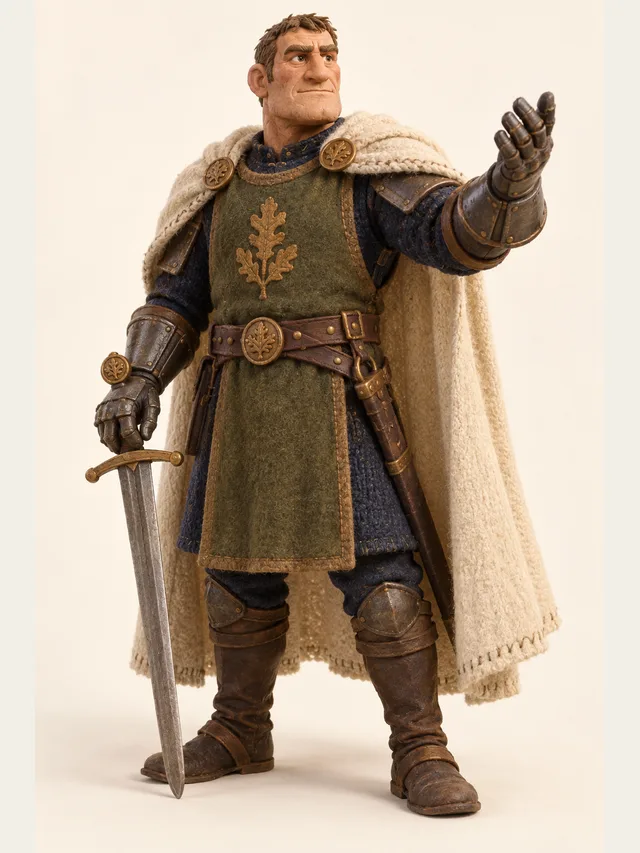
Torvald
Knight commander who gives orders that men actually follow
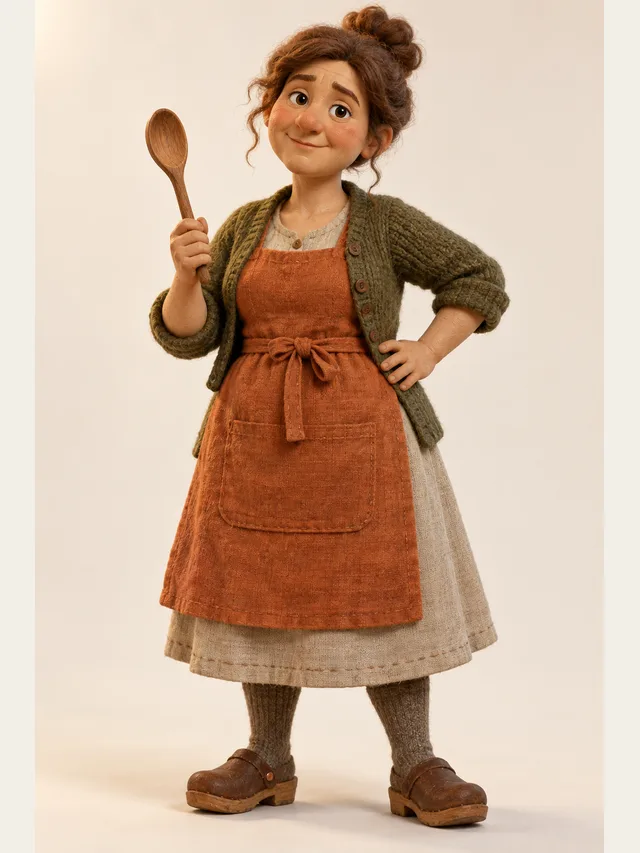
Hazel
Mum voice: patient, then suddenly not
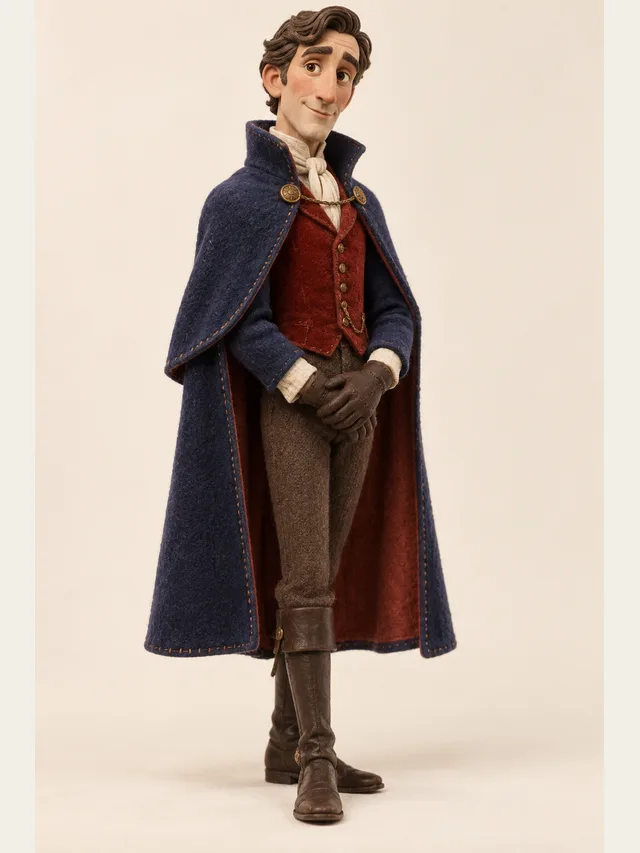
Ashford
Velvet-voiced villain who apologises before he ruins you
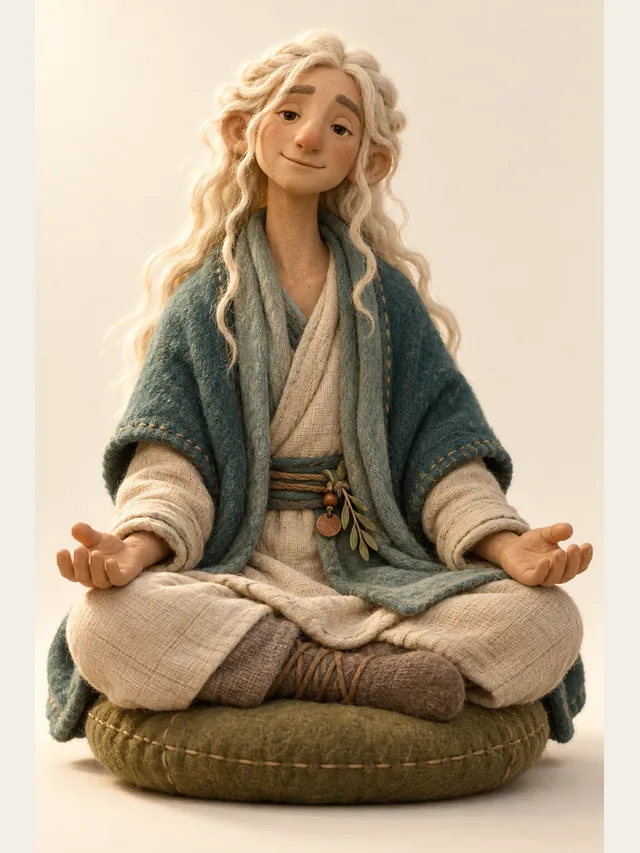
Halcyon
Meditation-adjacent narrator for slow, quiet scenes
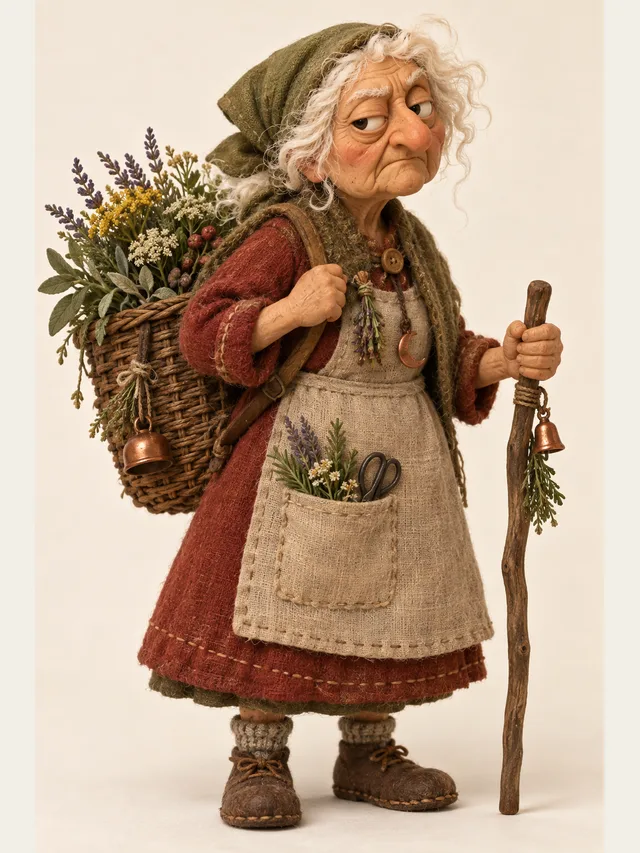
Mabel
Village witch, more herbs than hexes, very tired of adventurers
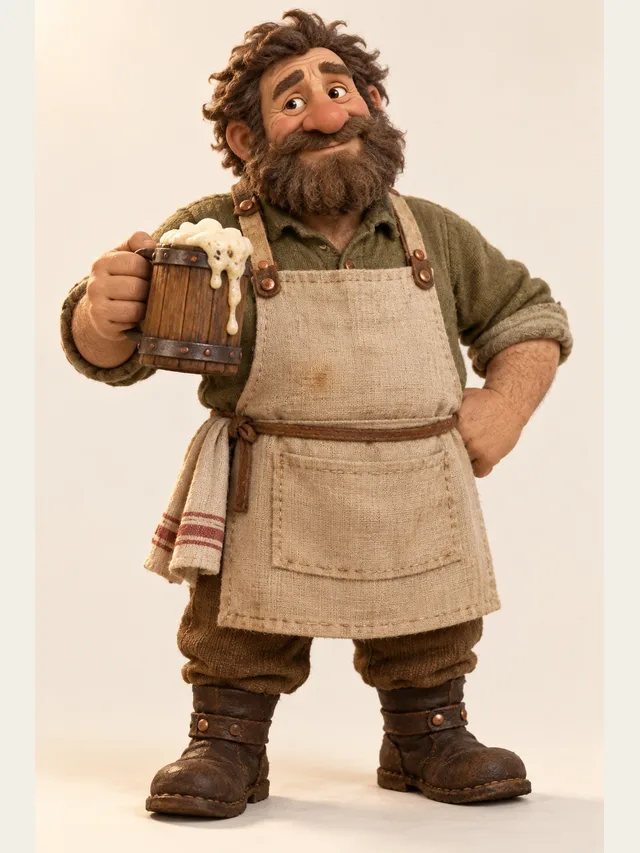
Bram
Tavern keeper and accidental quest giver
See all 40 characters — every one of them performs in Korean →
Almost every Korean sentence ends by declaring the speaker's relationship to the listener. 합쇼체 and 해요체 and 해체 and 한다체 are not degrees of a courtesy dial; they are four different social positions, and a listener reads them before they process the content. Two characters who speak 존댓말 to each other are not the same two characters after they switch to 반말, and the moment of that switch — 우리 말 놓자 — is a scene, not a formatting change.
Everything above is in the text. Nothing in the casting layer touches it and nothing should: keep the same voice across the switch, because the whole effect depends on the voice staying constant while the endings change. A translator who flattens the levels into uniform politeness has removed the plot, and no voice will put it back.
선배, 후배, 언니, 오빠, 형, 누나, 선생님, and the -씨 and -님 suffixes encode age gap, closeness and professional standing. English translations routinely replace them with names, which is why translated Korean dialogue so often feels flatter than the original — the relationships have quietly been deleted. In an audio script they are worth keeping even when the surrounding prose is in another language.
They are read as written. The decision is yours: whether a character says 지현아 or 지현 씨 or 선배 tells the listener where they stand, and it is worth going through your script once with only that question in mind before you cast anyone.
Ten distinct voices is workable for web-novel narration and short-form drama, where scenes usually run two to four speakers, and thin for a large ensemble. Free allows two cast members and Basic five, so the ceiling is reached only on Plus and Pro, where cast size is uncapped. Ten is not a Korean number — it is the same ten in every language on the site — and each library character sits on one of them and is separated from the others by persona and by the direction on each line. The accent is standard Seoul-register Korean; satoori is not something you can ask for, so a Busan character has to be written rather than cast. Audition your lead on a line of your own before you commit to a series.
There are no children's voices in Korean, and none in any other language here. A child character is performed by an adult voice playing young, which is how animation casts children — a boy is often played by a woman. Given how much Korean short drama turns on family scenes, this is the limitation most likely to affect real projects, and the workable adaptation is to write young roles as teenagers.
Six lines in a workroom, three speakers, all of them characters from this page. The Korean is the script; the notes after each line are what we would cast and how we would direct it. Cass is the junior, Ezra is a year or two above her, Kestrel runs the place.
Cass: 선배, 이거 제가 해도 돼요? — Senior, can I do this one? Cass is the seventeen-year-old in the library and fits a junior asking for work. Her whole social position is in 선배 and in the 해요체 ending, and nothing you pick in the cast list adds or removes it. Neutral.
Ezra: 네가 하면 내가 할 게 없잖아. — If you do it there's nothing left for me. Ezra answers in 반말, which tells a Korean listener the two of them are close, not that he is rude. Neutral again. The asymmetry — she speaks up, he speaks down — is the information, and a preset on either line would blur it.
Cass: 그러니까 선배는 선배 일 하세요. — Then you do your own work, senior. 하세요 is still polite and the line is still a push-back, which is exactly what translation usually loses. Mark this one happy if you have line-by-line emotion, which is a Pro control: it is teasing, not defiance.
Kestrel: 둘 다 앉아. 오늘은 내가 한다. — Both of you sit. Today I'm doing it. Kestrel takes 반말 to both of them, which places her above both. Neutral, and 0.9× on Plus or Pro. An order does not need a preset.
Ezra: ……선생님이 하시면 저희가 더 불편해요. — If you do it, we're the ones who feel awkward. Ezra switches to 존댓말 two lines after speaking 반말, because the listener changed rather than the speaker. Keep the same voice across that switch — the whole effect depends on the voice staying put while the endings move.
Kestrel: 알아. 그래서 하는 거야. — I know. That's why I'm doing it. Neutral. If it lands flat, regenerate rather than redirect: a second take of a short Korean line differs noticeably, and one of the two is usually the one you wanted.
Three speakers, three of the ten base voices, standard Seoul-register Korean because that is the only register on offer — satoori is not something you can ask for. Everything that made this scene legible, from 선배 to who says 하세요 to whom, was written before anyone was cast.
Exporting spends download credits and re-exporting the same project spends them again, so listen once to the assembled scene. Six things catch Korean out more often than the rest.
Speech level, pair by pair. Play the mixed file and track each relationship: does anyone drift between 존댓말 and 반말 where the script did not intend it? It is almost always a script error, and the script is where it is fixed.
Numbers. Korean runs two number systems and the digits say nothing about which one a sentence wanted: 세 시 삼십 분, 열 명, 이천이십육 년. Write the reading in hangul anywhere a number is spoken, and audition every age, time and count.
Sino-Korean homographs. Words built from hanja carry several meanings on one spelling, and what you are listening for is whether the sentence still means what you wrote. Rewriting so that only one reading fits is more reliable than respelling.
Titles and suffixes. 선배, 오빠, 선생님, and the -씨 and -님 endings. The commonest failure is not a wrong reading but a rushed one — the title disappears into the sentence. Where one carries weight, give it its own line for that character and the short gap does it.
Spacing. Korean 띄어쓰기 is a genuine lever here: a long noun phrase that came out as one blur usually untangles when the spaces sit where the meaning breaks. If a phrase makes you stumble reading it aloud, respace it before you re-cast anything.
Loanwords. English written in hangul is Korean and comes out Korean. English written in Latin letters inside a Korean line is a coin toss. Write it in hangul when you want the Korean reading, and leave it in Latin only when the character really would switch languages.
A project inherits its language from the CastDub interface you create it in and keeps it for good, so switch the site to Korean before you open a new project.
Go through the cast list and write down who speaks 반말 to whom. This is the information the script has to encode, and it is easier to fix in a list than in dialogue.
One utterance per line. Keep the titles and suffixes intact — they are content, not decoration.
Korean dialogue is built out of two-person relationships. Audition characters in the pairs they actually speak in, and the mismatches become obvious.
Mixed file on any plan, SRT from Plus, one track per character on Pro.
Ten. All forty characters perform in Korean, and ten base voices sit behind them — the same ten as in every language here — so a cast larger than ten will contain repeats.
No, and it should not. Speech level is authorial — it says what the characters are to each other. It belongs in your script, where you control it, rather than in a setting that guesses.
No. Keep the voice and let the endings do the work. Recasting at that moment destroys the beat, because the point is that the same person is speaking differently.
No, and none in any other language here. A child character is performed by an adult voice playing young, the way animation casts children, so a boy is often played by a woman. It reads as a performance of a child rather than as a child.
Common cases are usually right; times, ages and counters are where it goes wrong, because a digit does not say which system the sentence wanted. There is no reading override, so write the number in hangul wherever it is spoken: 세 시, 열 살, 이천이십육 년. It is the same habit this site recommends for Japanese and Russian, and for the same reason — the text is the only place the reading can be decided.
Reliably, only if you write them in hangul. 프로젝트 is a Korean word and comes out as one; project in Latin letters may come out as English, which is right for a character who would switch and wrong for one who would not. Decide per word, write it in the alphabet you want to hear, and audition the whole line rather than the word — in a mixed line it is usually the join that breaks rather than the word itself.
Paste a script, let CastDub assign a voice to every character, and export a finished drama.
Create for freeNo credit card. Free gives you a one-time pot of credits.