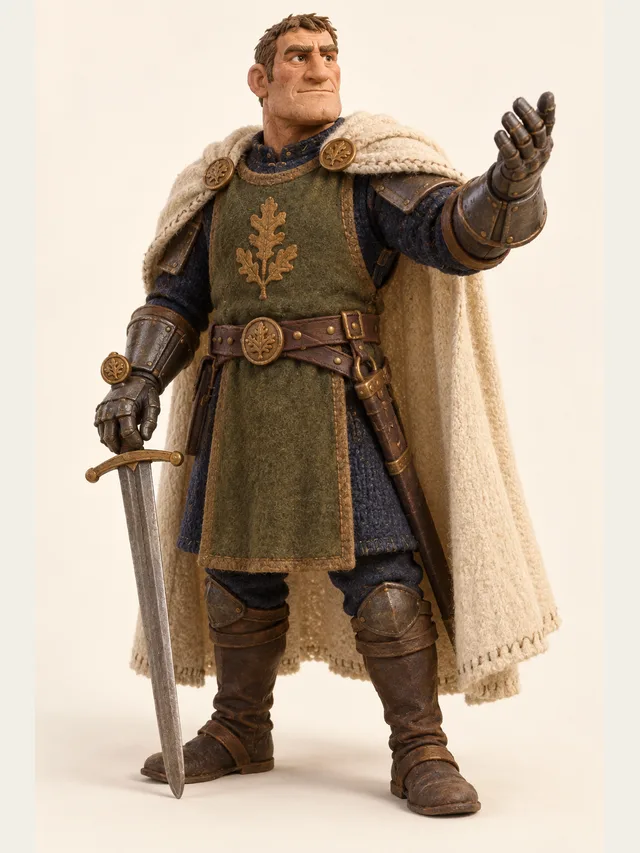
Torvald
Knight commander who gives orders that men actually follow
Product
This is the product. Everything else on the site is a doorway into it. You bring a script with more than one person in it; CastDub works out who they are, gives each of them a performer, and gives you the controls a director would use.
Torvald
Knight commander who gives orders that men actually follow
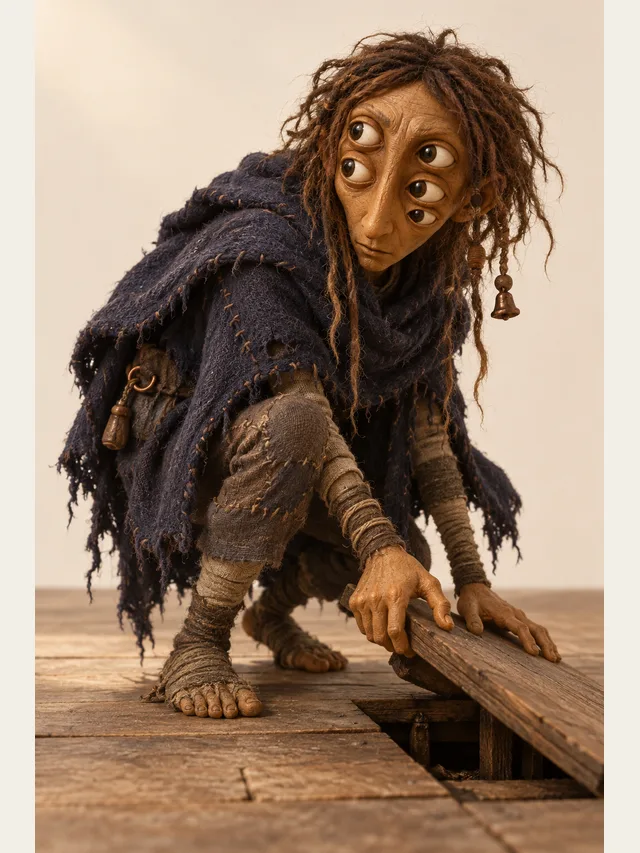
Morrow
Something under the floorboards that learned your name
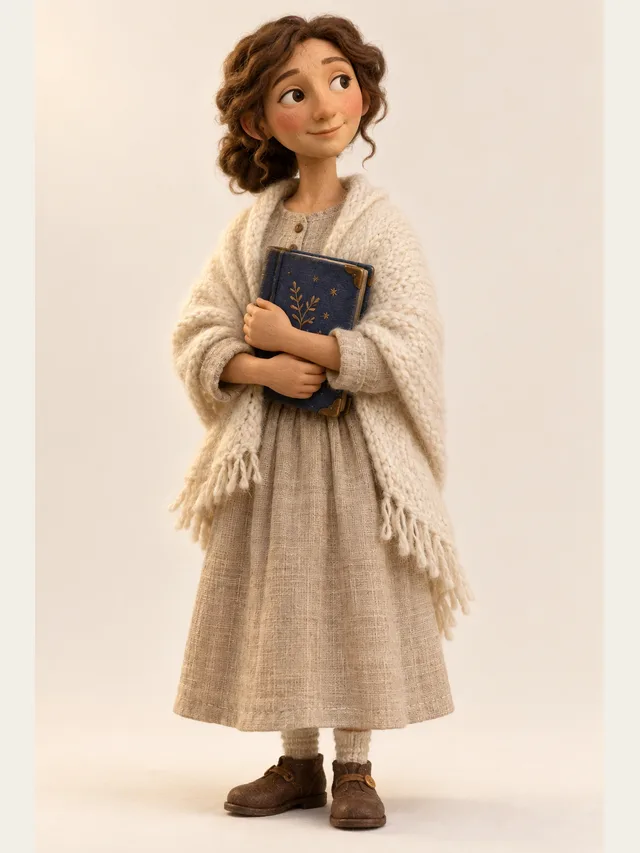
Wren
Bedtime-story narrator, slow and warm, never wakes anyone up
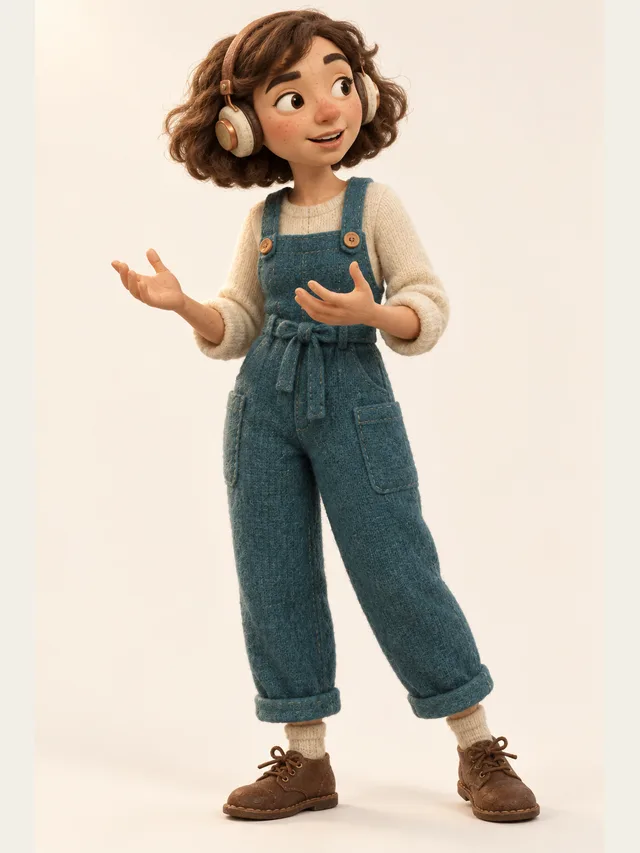
Juno
Podcast host who thinks out loud and never reads a script
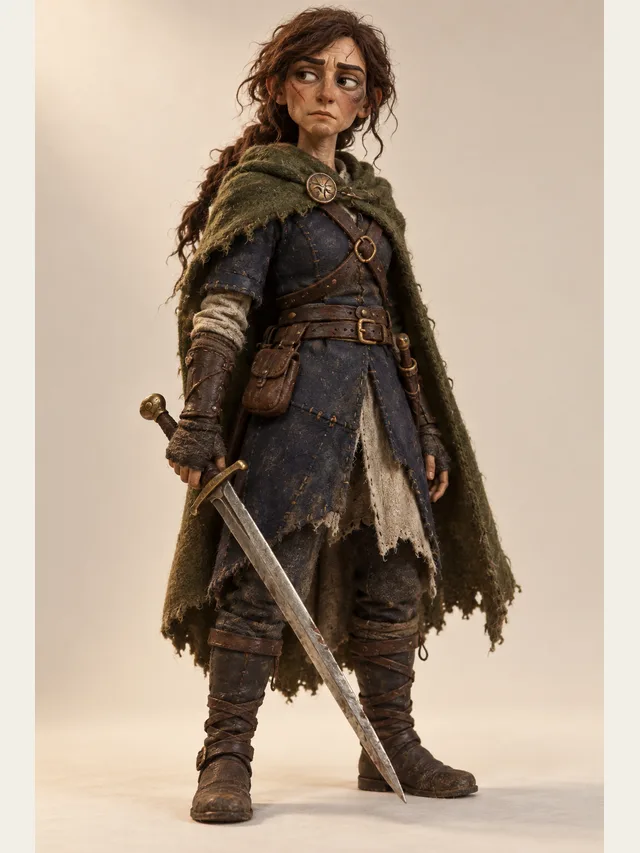
Kestrel
Low, weary swordswoman who has already lost this war once
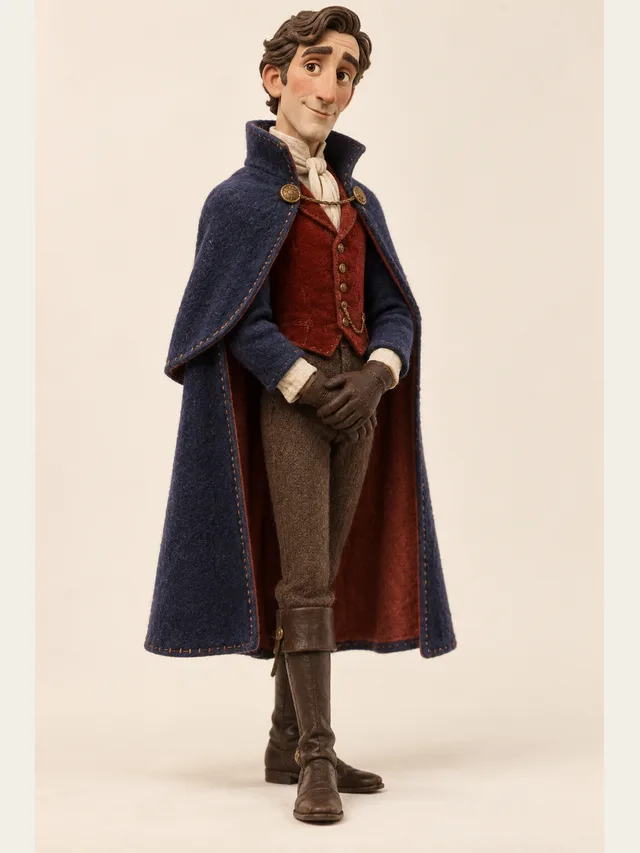
Ashford
Velvet-voiced villain who apologises before he ruins you
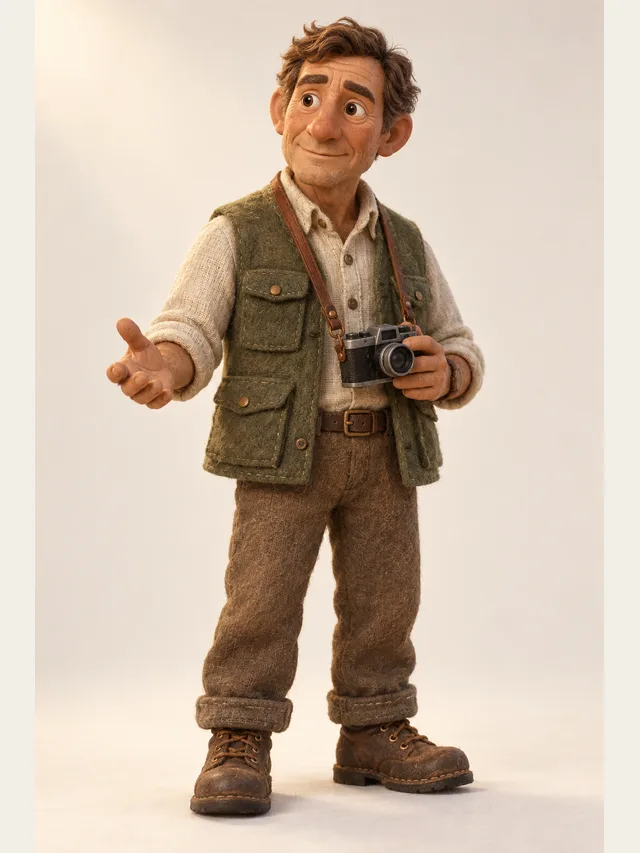
Hale
Documentary narrator with a hand on the listener's shoulder
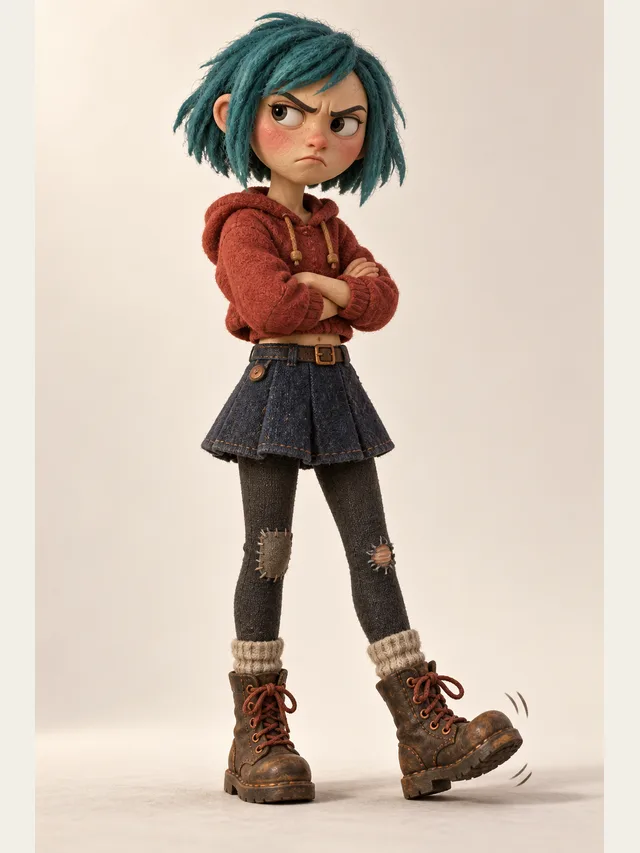
Cass
Seventeen and furious about it, in a good way
Screenplay format, Name: prefixed lines, and ordinary prose with dialogue tags are all parsed as written. Paste from a document, a screenwriting app or a spreadsheet column. Uploading .txt is supported; .docx and .srt import are the next two on the list.
Speaker detection splits the script by who is talking, then proposes a voice for each character based on how you described them. It is a proposal, not a decision — every assignment is overridable, and an override persists for the rest of the project.
Emotion is a property of the line, not of the character. Set a resting register per character and mark only the lines where it breaks. This is the single mechanism that separates a read-through from a performance, and it is the main paid feature.
Name, persona, voice, default emotion, pace and pronunciation fixes stored together under the character. Reuse across scenes, episodes and projects. This is what stops a series drifting over months.
Fix an invented name once and it stays fixed everywhere in the project, including in chapters written later. For any story with a named world, this is the first thing to do rather than the last.
A mixed MP3 or WAV, per-character stems as a ZIP for scoring and sound design, and an SRT generated from your script rather than transcribed — so names are spelled correctly and timings already line up.
Paste or upload. No reformatting step, no template to fill in.
Review the proposed voice per character, audition alternatives on the same line, and lock in what fits.
Give each character a default emotion and pace. Most of the scene runs on the default.
Mark the specific lines where the register breaks — usually three to five per scene.
Pacing problems are invisible line by line and obvious end to end.
Mix, stems or subtitles, depending on where the audio is going next.
Speech synthesis is now a commodity. Several providers produce audio that is good enough for drama, and the gap between them is smaller than the gap between a well-cast scene and a badly cast one. What is not commodity is everything around the synthesis: working out who is speaking, keeping a character stable across months, directing individual lines, and getting audio out in a form you can mix.
That is why the provider layer here is an interface with several implementations behind it. If a better engine appears next year, it becomes a configuration change rather than a rebuild, and your character cards, direction and pronunciation fixes carry over unchanged.
It does not write scripts. Generated dialogue performed by generated voices is a product nobody has asked for twice, and the interesting problem in audio drama is production rather than ideas.
It does not mix. No music beds, no reverb, no stereo placement. Those belong in an audio editor where you can hear everything together, and folding them into a rendering tool has reliably produced something worse than either.
It does not overlap dialogue in a single render. Talking over someone is a real dramatic device and it is a mixing operation — export stems and slide them. One drag in any editor, and it is the most realistic thing you can do to an argument.
Physical vocalisation is the current limit: screaming, sobbing, laughing while talking, grunts of effort. These are breathing events rather than speech events and they are where a listener identifies audio as generated. Write around them where you can, and record the two or three lines that carry them where you cannot. Mixing recorded and generated audio in one project is normal and the seam does not show when the writing carries the moment.
Very long emotional monologues are the second weak spot, for a related reason: a human performer makes a decision about subtext every few seconds across a monologue, and nothing here attempts that.
Plain text today, pasted or uploaded, in screenplay format, Name: lines or prose with dialogue tags. Word documents and subtitle files are the next two import formats we are adding.
In script formats, almost always. In prose it depends on how explicit your attribution is — long unattributed exchanges and characters referred to by epithet are the reliable failure cases. Scanning the assignments before rendering takes a minute.
Yes, and this is the feature that makes long projects possible. Change a line, re-render that line, everything else keeps its existing audio.
Yes. A card is a portable object, which is the point — a recurring character in a series lives in one card that every episode's project loads.
Not here. Export the stems and score them in an audio editor. This is a deliberate boundary, not a missing feature.
Studio and Team. Free and Creator use the automatic emotional pass, which is good enough to check that a scene works but not to place a specific turn on a specific line.
Paste a script, let CastDub assign a voice to every character, and export a finished drama.
Create for freeNo credit card. Free plan renews every month.