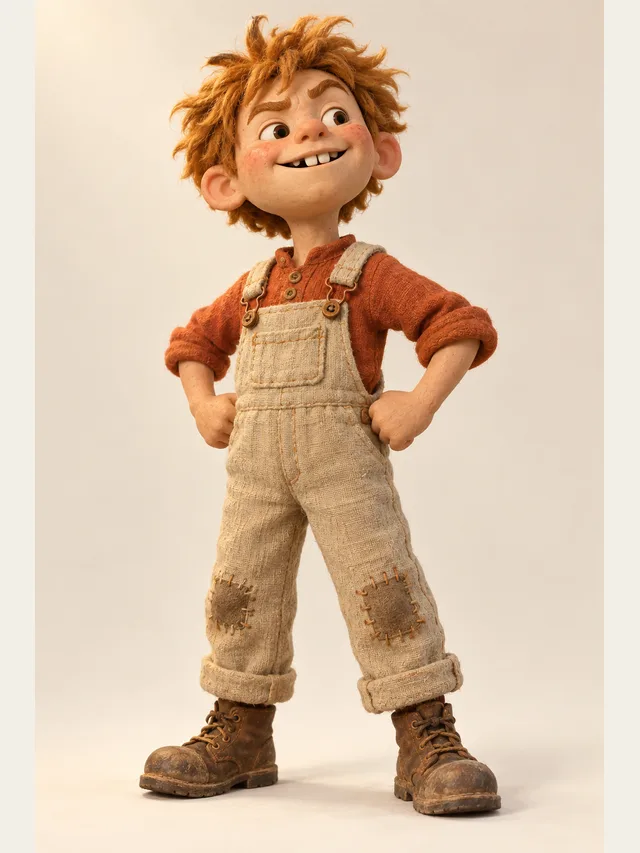
Milo
Nine, loose tooth, very large opinion
Voice category
Child characters are the hardest role to cast and the one people most often need. Recording an actual child means guardians, consent forms, scheduling and a lot of patience. A synthetic child voice removes all of that, and removes some genuine ethical exposure along with it.
Milo
Nine, loose tooth, very large opinion
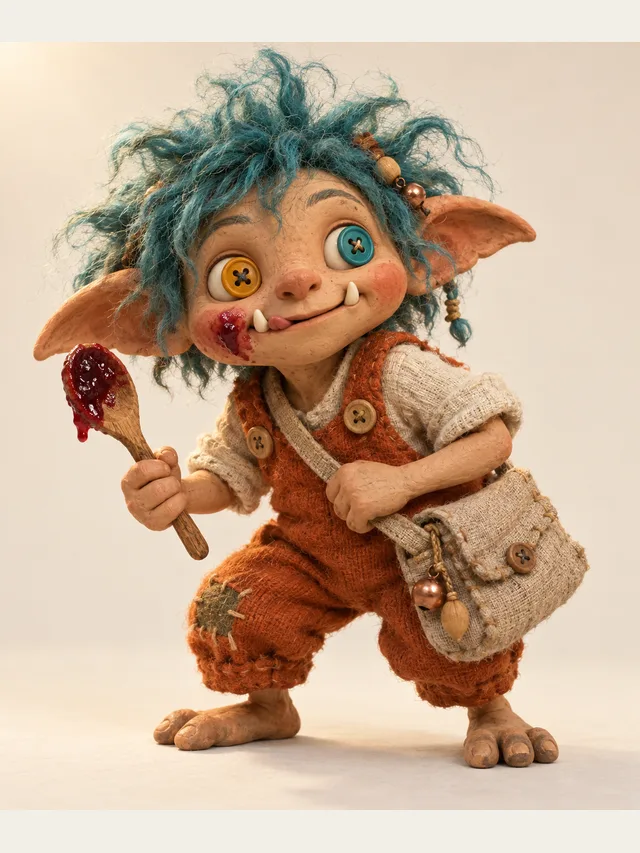
Pip
Small chaotic creature who means well
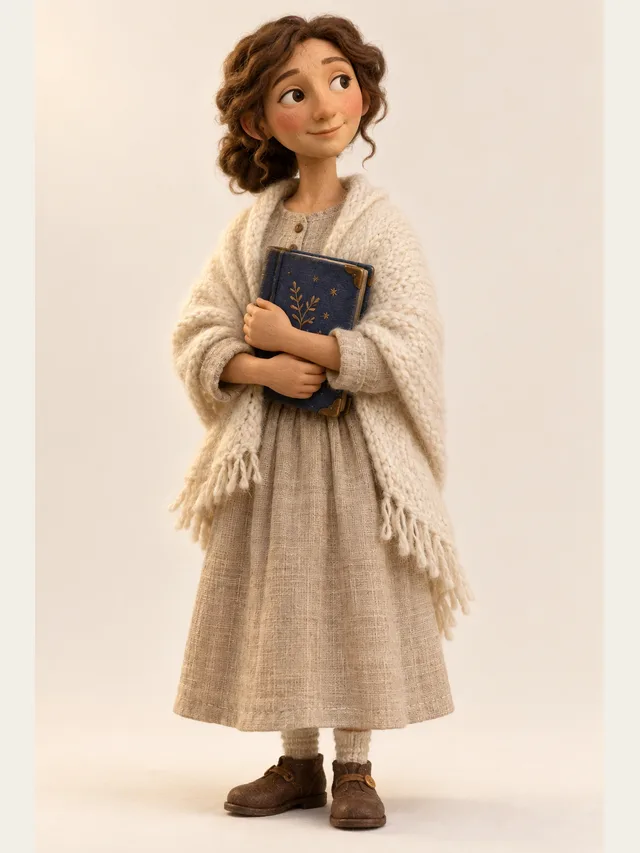
Wren
The grown-up reading the story back
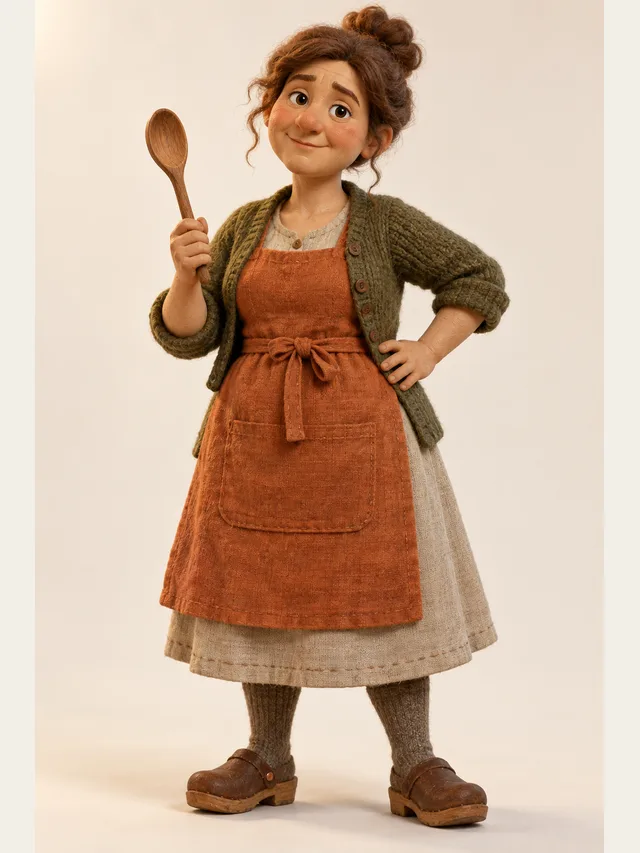
Hazel
Mum voice: patient, then suddenly not
Samples are placeholders while the public demo audio is produced. Every voice is available on every plan — the library is not a paywall.
There are three honest reasons. The practical one is scheduling: child performers work limited hours, need a guardian present, and cannot be called back easily for pickups. The financial one is that children's audio is rarely well funded, and a two-hour session for six lines does not fit the budget. The third reason is the one people say least often and worry about most — putting a real child's recorded voice into a product that will be distributed forever carries a risk that cannot be taken back.
A synthetic voice answers all three. There is no scheduling, no per-session cost, and no real child whose voice is now in circulation. That last point is why several children's publishers have quietly moved to synthetic child voices for incidental characters even while keeping human narrators.
Children's speech has a distinct rhythm that has little to do with pitch. Sentences are short. Ideas arrive one at a time. Subordinate clauses are rare, and when they appear they are tacked on the end rather than folded into the middle. Repetition is used for emphasis rather than avoided as bad style.
If you write an adult sentence and assign it to a child voice, listeners hear an adult. The pitch says child, the phrasing says otherwise, and phrasing wins. The single most effective edit you can make to a child character's dialogue is to cut every sentence in half.
Age matters too. A five-year-old and a ten-year-old are different characters entirely — the older one can hold a thought across two sentences and use sarcasm, the younger one cannot. Pick the voice that matches the age you wrote, then check the writing matches it back.
Almost every children's story is a conversation across an age gap, and that gap is what makes the audio work. A practical tip: cast the adult first. Adults anchor the scene and set the expected volume, and it is much easier to judge whether a child voice reads as young when there is something to read as young against.
Watch the loudness too. High voices can feel louder than they measure, so a child voice that matches an adult on a meter may still sound like shouting. Nudge it down slightly in the mix and the scene relaxes.
We will generate child character voices. We will not clone a real child's voice, and there is no plan, consent form or enterprise agreement that unlocks it. A model of an identifiable child's voice is a tool for impersonating that child, and no legitimate creative need requires one.
If your project genuinely needs a specific real child to be heard — a documentary, a family archive — record them properly, with consent from their guardian and a clear statement of where the recording will be used, and edit the recording. That is a different job from voice synthesis, and it should stay one.
Short sentences, one idea each, and a lot of repetition. The most common mistake is giving a child character adult sentence structure, which no voice can fix.
A child voice is convincing mostly in contrast. Put the grown-up in the scene from the start so you are auditioning the relationship, not a solo read.
Young listeners need more space between lines than adults do, and child characters reading fast sound like adults pitched up. Slow the pace and the illusion holds.
Children in stories swing between excited and upset, but a whole scene at maximum excitement is exhausting. Use neutral as the floor and save the peaks.
A podcast wants one mixed MP3; an animation wants stems; a classroom video wants an SRT so captions match. All three come out of the same project.
No. The child voices in the library are synthetic models, not clips of children, and nothing you type is spoken by a real minor. That is the main reason many publishers prefer synthetic child voices — there is no child in the pipeline at all.
No. We do not build voice clones of minors under any circumstances, including with parental permission. It is the one place our cloning policy has no exceptions, because a model of a child's voice is dangerous the moment it leaves your control.
Sometimes, if you push the pace or ask for heavy emotion. The tell is usually rhythm rather than pitch: adults phrase in long arcs, children in short bursts. Shorten the lines and the impression improves more than any setting will.
They can, but audiences do not enjoy it. Convention in children's audio is that a warm adult narrator carries the prose and child voices carry the dialogue. It is a convention because it works.
Yes, and the slower pacing advice matters even more there. For classroom use, also export subtitles — many schools require captions on any audio-visual material.
Creator is usually the right size: five cast members, sixty minutes a month, no watermark and commercial rights. A weekly ten-minute episode fits comfortably inside that.
Paste a script, let CastDub assign a voice to every character, and export a finished drama.
Create for freeNo credit card. Free plan renews every month.