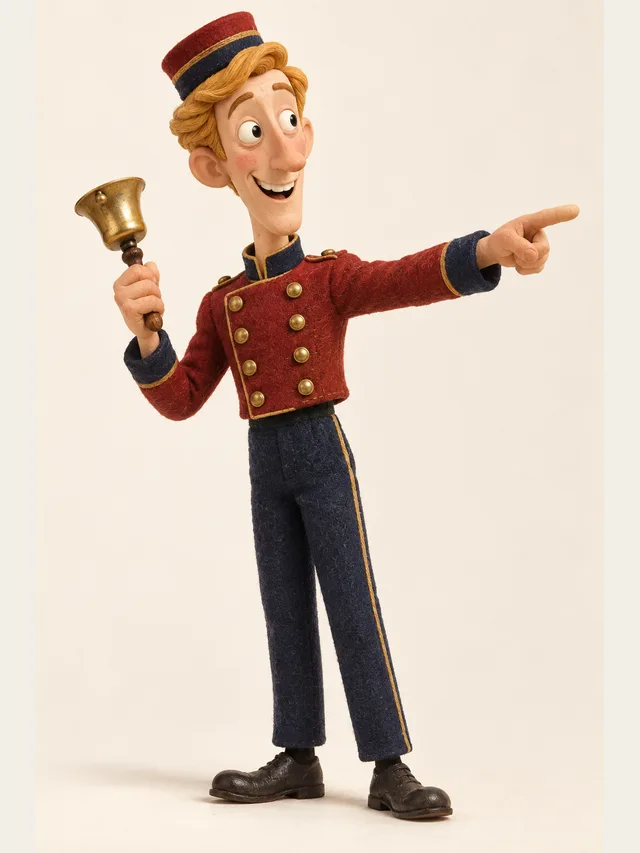
Bellhop
Repeats himself on purpose, which is the joke
Voice category
A funny voice on its own is a novelty. A funny voice reacting to a straight voice is a joke. CastDub casts both sides of the exchange in one project so you can hear the timing immediately instead of assembling clips and hoping.
Bellhop
Repeats himself on purpose, which is the joke
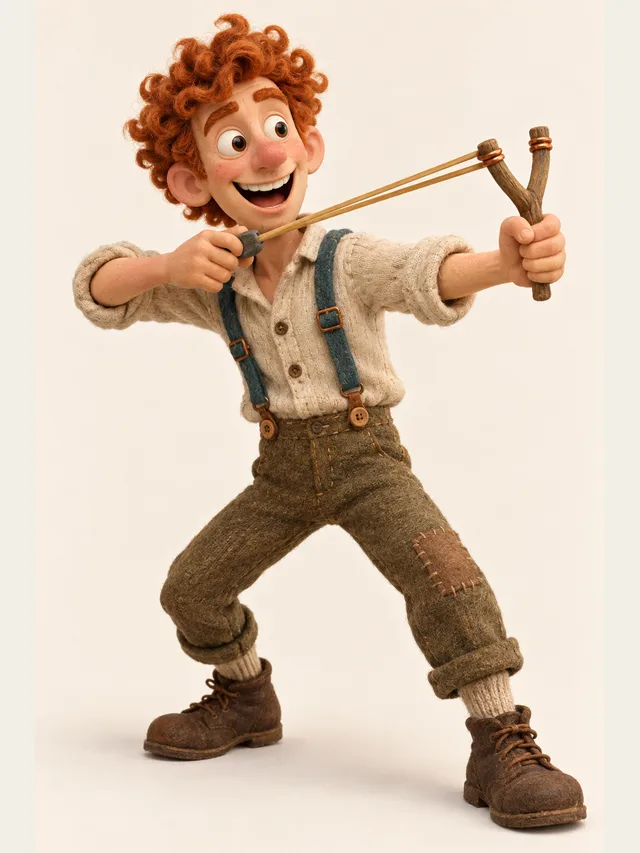
Brix
Enthusiasm with no supporting evidence
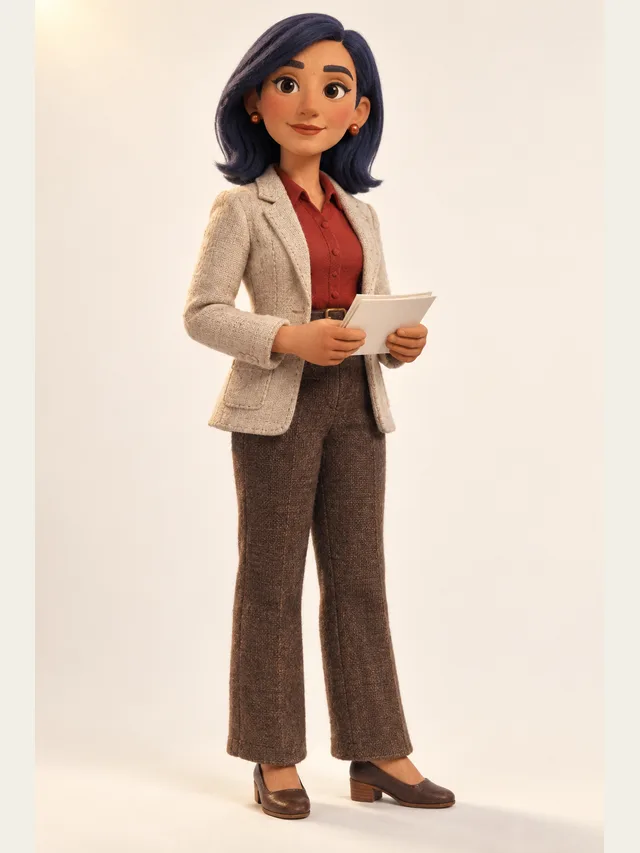
Noor
The straight voice everything happens to
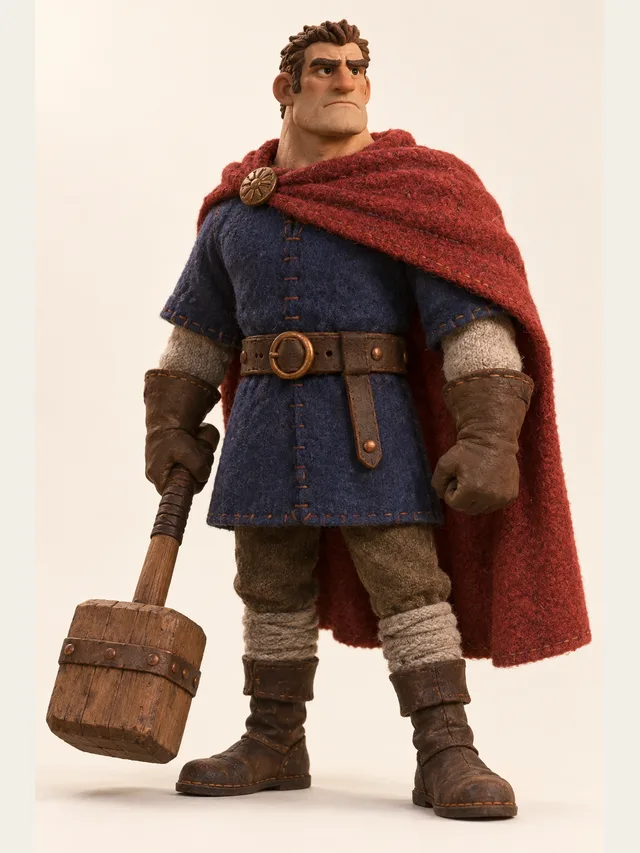
Duke
Trailer voice deployed for something trivial
Samples are placeholders while the public demo audio is produced. Every voice is available on every plan — the library is not a paywall.
Every working comedy writer will tell you the same unglamorous thing: jokes are rewritten, not written. The first version of a bit is almost never the one that lands, and the only way to find the version that does is to hear it out loud repeatedly. Historically that required people in a room, which is why comedy writing has always been slow and social.
Generating the read removes the scheduling from the loop. You can hear four versions of a punchline in the time it used to take to book one read-through, and you can hear them in the intended voices rather than in your own. That does not make you funnier. It makes the feedback loop tight enough that you can find out what is funny.
Most durable comic voice work runs on register mismatch. A voice built for film trailers describing a sandwich. A gentle children's narrator delivering a threat. A furious character speaking at library volume. The humour is in the gap between how something is said and what is being said, and that gap is a casting decision you can make in thirty seconds.
The corollary is that a voice which is intrinsically silly is usually the weaker choice. A squeaky voice saying something silly is one joke stacked on another, and they cancel. Give the silly content to the serious voice and watch what happens.
CastDub renders line by line with a gap between lines, which means your script layout is your timing. A pause you want the audience to sit in becomes an empty beat. A rapid exchange becomes short lines with no breaks. If a joke depends on someone interrupting, write the interruption as a line that starts mid-sentence — the listener hears the cut even without overlapping audio.
For true overlaps, export stems and slide them over each other in an editor. This is the one place where comedy genuinely needs multitrack, because talking over someone is a comedic device that cannot be faked sequentially.
Laughter itself remains hard. A generated laugh is the most recognisably synthetic sound in the whole toolkit, because laughing is a breathing event rather than a speech event. If your bit needs a laugh, record your own and cut it in; nobody will know, and it takes ten seconds.
The other limit is that the renderer will not save a joke that does not work. That sounds like a criticism and is actually the most useful property of the tool: hearing your own writing performed neutrally strips away the version you were hearing in your head, which is almost always funnier than what is on the page.
Comedy is a setup and a reaction. Decide which voice is the anchor and cast it as boringly as possible — the funny voice needs something flat to bounce off.
The reliable joke is a voice that does not fit its content: a trailer baritone announcing breakfast, a cheerful voice delivering bad news. Audition for the mismatch, not for the funniest voice in isolation.
Timing is line breaks. Split the beat before the punchline into a separate line so there is an actual gap where the audience expects one.
Render the same punchline neutral, excited and deadpan. Deadpan wins more often than people expect, which is why auditioning matters more than settings.
Comedy is the one genre where you cannot judge your own timing. Export an MP3, send it to one person, and watch where they stop listening.
The voice is not funny; the writing and the timing are. What a tool like this gives you is the ability to test timing in minutes rather than booking two performers. That turns comedy writing into an iterative process, which is the only way it ever gets better.
Casting two funny voices against each other. With no straight man, the audience has nothing to measure the absurdity against and everything flattens into noise. One anchor voice per scene, minimum.
Leave the emotion on neutral and slightly reduce the pace. Most people over-direct comedy — they add excitement to a line that would be funnier delivered as if nothing unusual were happening.
No. Cloning or imitating an identifiable person's voice is against our terms even as parody, because the audio is indistinguishable from a real recording once it leaves your project. Write an original character instead; the joke usually survives.
Not from the text alone. Mark the line's emotion explicitly, or write it so the sarcasm is structural — the contrast between a flat delivery and an absurd statement reads as sarcasm without any vocal signalling at all.
Creator covers a weekly sketch show comfortably: five cast members, sixty minutes a month and no watermark. Move to Studio if you want to place voices in stereo, which matters more in sketch than people assume.
Paste a script, let CastDub assign a voice to every character, and export a finished drama.
Create for freeNo credit card. Free plan renews every month.