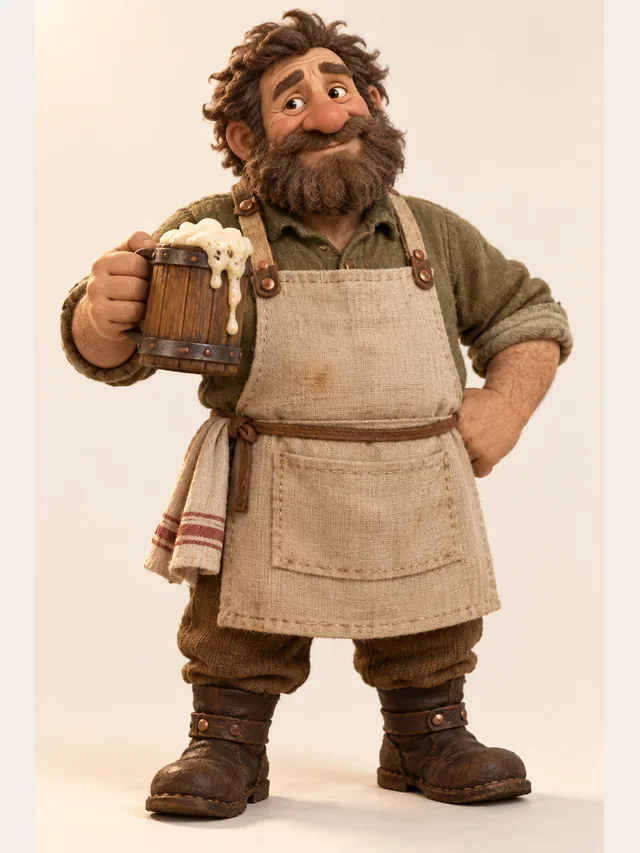
Bram
Tavern keeper and accidental quest giver
Voice category
Games do not have scenes so much as they have tables: two hundred lines belonging to forty characters, all of which need to sound the same next month when you add fifty more. CastDub is built around that shape — cast once, keep the casting, render the batch.
Bram
Tavern keeper and accidental quest giver
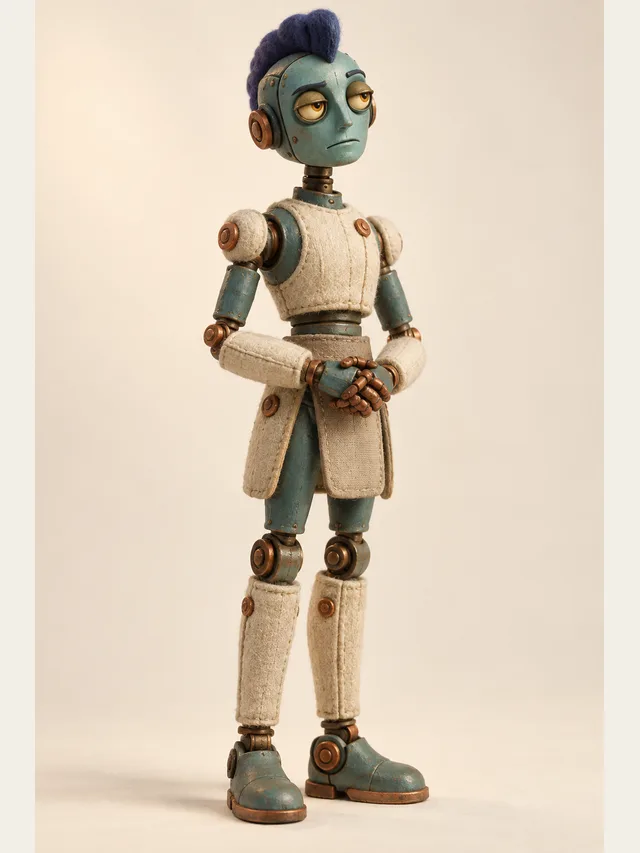
Nova
Ship AI that has read your file and is unimpressed
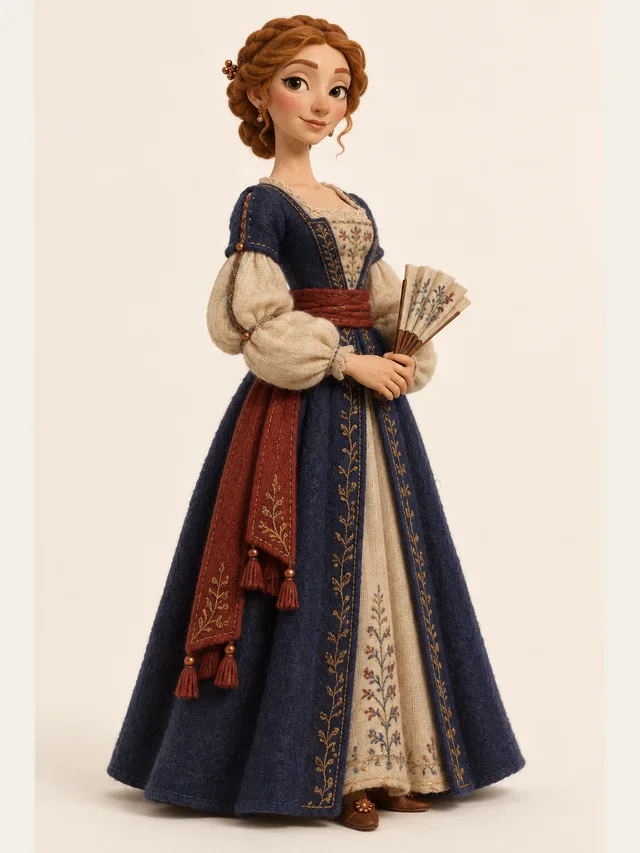
Seraphine
Court noble whose politeness is a weapon
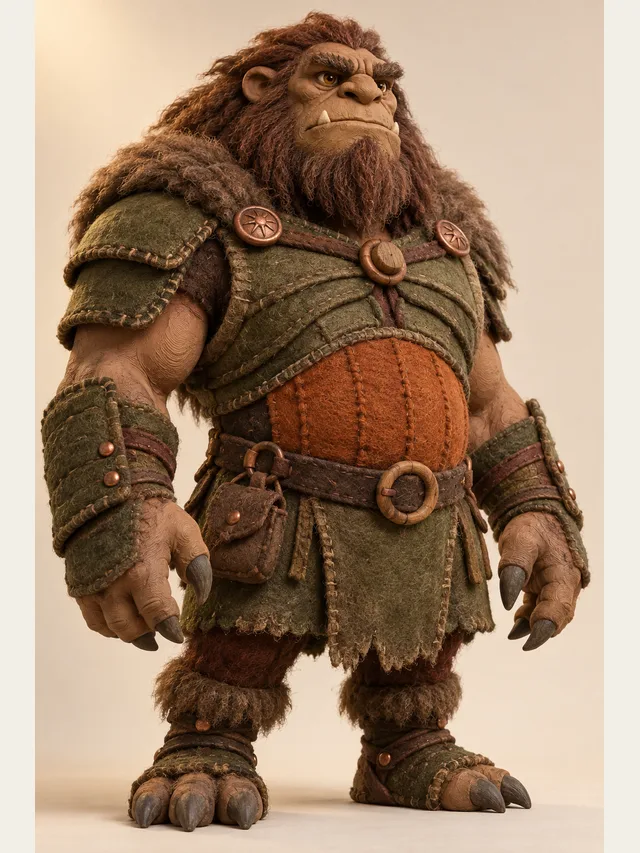
Grit
Something very large that has noticed you
Samples are placeholders while the public demo audio is produced. Every voice is available on every plan — the library is not a paywall.
Ask any small studio what makes voice acting expensive and they will not say the session fee first. They will say revisions. A line changes in week nine, the actor is unavailable, the new take does not match the room tone of the old one, and now three lines need re-recording instead of one. Synthetic voices are attractive to indie teams mostly because they collapse that loop to seconds.
That only holds if the tool respects the pipeline. Audio that arrives as forty files named export-1.mp3 has moved the work rather than removed it. CastDub keeps your identifiers through the render, so what comes out the other end drops into the project structure you already have.
The failure mode for synthetic voices in games is not quality, it is drift. A player will forgive a slightly flat read. They will notice immediately when the blacksmith sounds like a different person in the second act, because human hearing is tuned to exactly that.
Character cards exist to make drift structurally unlikely. A card carries the voice, the default emotion, the pace and the pronunciation overrides for that character's vocabulary. When a new writer joins in month six and adds lines, they attach them to the card rather than choosing a voice, so nothing about the sound is left to memory.
Be honest about what synthetic voices are bad at, because that is where your budget should go. They are weak on physical effort — pain, exertion, laughing, crying — and on very long emotional monologues where a human performer's choices carry the scene. They are strong on the enormous middle of a game script: shopkeepers, tutorials, quest text, ambient conversations, systems barks.
A pragmatic split that several small teams use: generate everything, ship the generated audio for minor characters, and hire actors for the two or three roles the story actually depends on. The generated versions double as a scratch track so the actors know the timing before they walk in.
Two rules keep projects out of trouble. Do not clone a voice you do not have written permission to clone, including performers from other games. And do not describe a generated voice in marketing as a named actor's voice — that is a publicity-rights problem independent of how the audio was made.
If you do work with human actors and want a clone as a pickup tool, the contract needs to say so explicitly, name the scope, and say what happens to the model when the project ends. Our cloning policy page describes the consent flow we require before building any model.
Most teams keep dialogue in a spreadsheet or a Yarn/Ink file. Paste a column of Name: line pairs and CastDub treats it as a cast list, not as prose.
Each NPC becomes a card holding their voice, default emotion and pace. The card is the unit you reuse, so the guard in the tutorial and the guard in act three are the same guard.
Generate a whole character's lines in one pass and check them as a group. Consistency problems show up when you hear forty lines in sequence, never when you check one.
Exports carry the character and line identifiers from your source, so importing into Unity, Unreal or Godot does not require renaming two hundred files by hand.
When a designer rewrites eight lines, regenerate those eight. Everything else keeps its existing audio, so your build does not churn.
Yes on any paid plan; the commercial licence covers shipping the audio inside your game. Keep a record of which plan was active when you generated, and do not ship free-plan audio, which carries a watermark and is licensed for personal use only.
Use character cards rather than re-picking a voice each time. Drift almost always comes from someone choosing a similar-but-different voice weeks later, not from the model itself.
Short combat vocalisations are the weakest spot for synthetic voices — grunts, screams and efforts are physical noises, not speech. Generate them if you need placeholder, but budget to replace them with recorded ones or a sound library before ship.
Subtitle export gives you line-level timings, which is enough for simple mouth flaps and for subtitle display. Phoneme-level data for full lip sync is not part of this release.
It guesses, and it will guess wrong on anything unusual. Fix the pronunciation once per project and the correction applies everywhere that word appears — which for a game with a named world is a change worth making on day one.
The library is shared across all plans, so no plan gives you more voices. What paid plans give you is more cast members per project, emotion control and clone slots. We do not treat the voice list itself as a paywall.
Paste a script, let CastDub assign a voice to every character, and export a finished drama.
Create for freeNo credit card. Free plan renews every month.