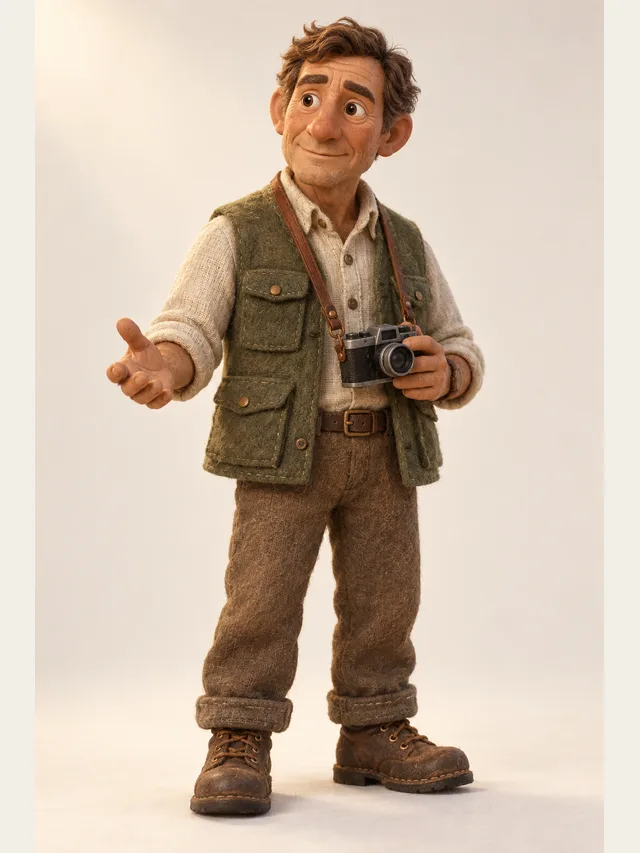
Hale
Documentary narrator with a hand on your shoulder
Voice category
The narrator is the voice your audience spends the most time with, and the one people cast fastest. These are voices chosen specifically to survive length — clear at speed, tolerable at volume, and still pleasant thirty minutes in.
Hale
Documentary narrator with a hand on your shoulder
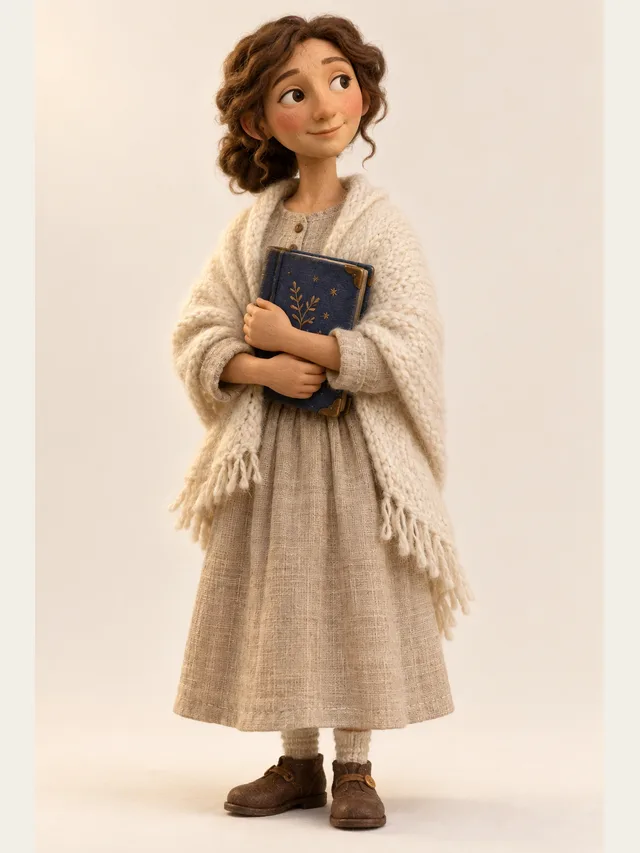
Wren
Warm, slow, never wakes anyone
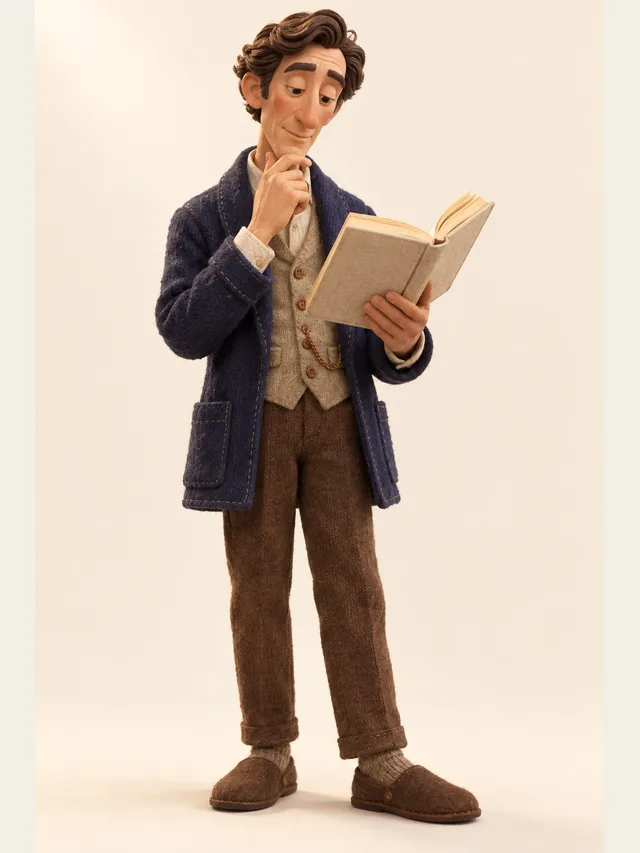
Dorian
Literary baritone for slow reveals
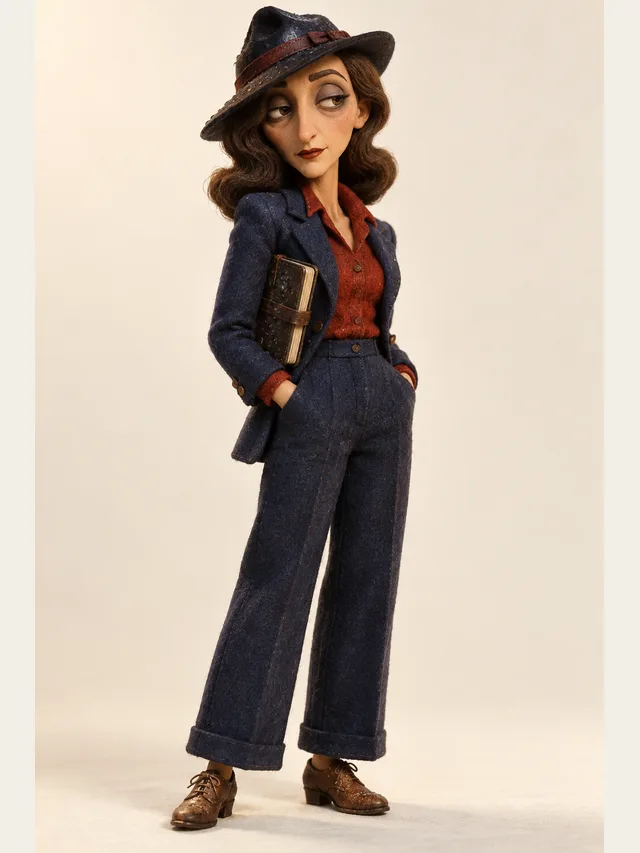
Sable
First-person noir, dry and close
Samples are placeholders while the public demo audio is produced. Every voice is available on every plan — the library is not a paywall.
Everything that makes a voice appealing in a short sample — distinctiveness, character, an unusual timbre — becomes a liability over an hour. Listeners habituate to a voice within a few minutes, and then what they notice is whatever is irregular about it. An unusual vowel, a distinctive sibilance, a habitual rise at the end of sentences: all invisible at first, all maddening by chapter three.
This is why professional audiobook narration sounds comparatively plain. It is not a lack of ambition. It is the correct engineering answer to a format where the same voice has to remain unnoticed for eight hours.
The single most useful habit is auditioning on real text rather than on a sample sentence. Take the paragraph you are least happy with — the one with the invented place names, the technical explanation, the long sentence you could not break — and run every candidate on exactly that. The voice that survives your worst paragraph will be fine everywhere else.
Then check length. Three minutes is the minimum useful test and five is better. Listen while doing something else, the way your audience will. If your attention keeps snagging on the voice rather than on the content, that is the answer.
In a full-cast production the narrator has a specific structural job: hold the frame, describe what cannot be dramatised, and hand off to the characters. That job fails if the listener cannot instantly tell narration from dialogue.
The reliable solution is separation by band and by treatment. Put the narrator in a pitch range no character occupies, keep their pace slightly slower, and if you are mixing, give them a marginally different space — a touch drier or closer than the scene. Listeners pick this up within two exchanges and then never think about it again, which is exactly what you want.
Every project with invented vocabulary needs one deliberate pass where you find every name, place and coined term and check how it is spoken. Doing this first costs twenty minutes. Doing it after rendering nine chapters costs those nine chapters.
Keep a list. On a long project, a shared pronunciation list is the thing that keeps chapter twelve consistent with chapter one, and it is equally useful if you later hire a human narrator — it is the first document they will ask for.
Published audiobooks run at roughly 150 words per minute, and almost everyone's first instinct is that this is too slow. It is not. Reading speed for text is two to three times faster, so a narration pace that matches your reading feels brisk to you and unfollowable to a listener who is also driving, cooking or walking.
There is a second reason to stay slow: listeners speed audio up themselves. A substantial share of audiobook and podcast listening happens at 1.25× or faster, and material recorded fast becomes unusable at those settings. Recording slightly slower than feels natural gives your audience the room to choose.
The exception is dialogue inside narration. Character lines can and should be quicker than the prose around them, because that contrast is part of what tells a listener they have moved from description into speech.
Not your opening line. Use the paragraph with the invented names, the long sentence and the awkward clause — that is where narrators fail.
Narrator fatigue does not appear in a ten-second sample. Render three minutes of real text before committing to a voice for a whole project.
Names, places and invented words get corrected once per project and stay corrected. Do this at the start, not after you have rendered nine chapters.
Cast the narrator in a clearly different band from your main characters. Listeners must be able to tell narration from dialogue without any other cue.
Render in the units you will publish in. It makes re-rendering after an edit cheap and keeps file management sane over a long project.
Consistency more than character. A narrator has to stay listenable across hours, which rewards even pacing, clean consonants and a moderate pitch range. Distinctive voices are exciting for a minute and tiring for an hour, which is why professional narrators are usually less colourful than people expect.
In first-person fiction the narrator is the character, and doubling is correct. In third-person work, keep them separate — a narrator who also plays the villain confuses the listener about who is speaking, which is the one thing narration must never do.
Slower than conversation. Published audiobooks run around 150 words per minute, which feels sluggish when you read along and is correct when you are only listening. If your render feels slightly slow to you, it is probably right.
For simple two-hander scenes, yes, the way a single audiobook reader does. Once you have four speakers, casting them separately is dramatically clearer, and that is the whole reason this tool exists.
Give them their own lines with a pause after. The common mistake is running a chapter heading into the first sentence, which makes the listener miss the structure entirely.
Studio, usually — 200 minutes a month covers roughly three to four hours of finished narration, and emotion control matters more than people expect for keeping a long read from flattening.
Paste a script, let CastDub assign a voice to every character, and export a finished drama.
Create for freeNo credit card. Free plan renews every month.