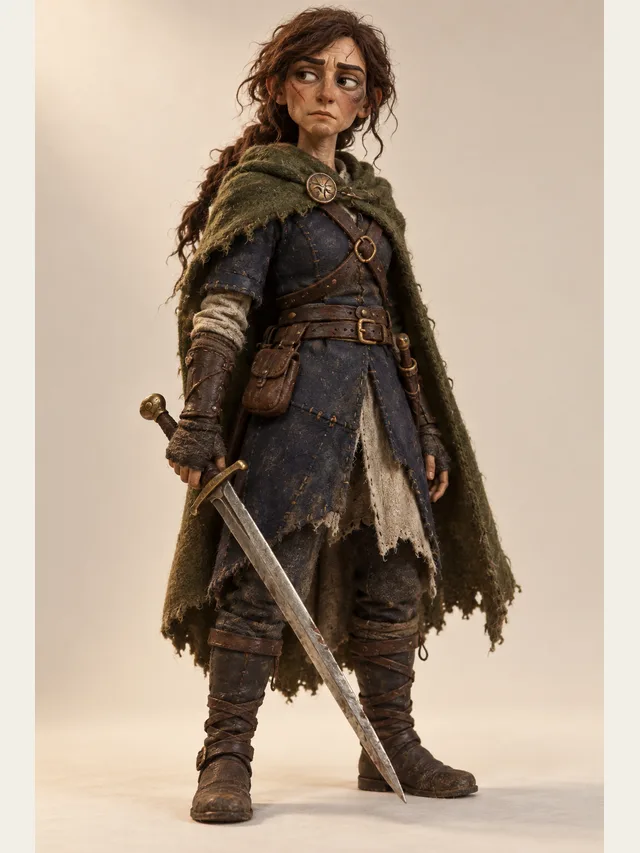
Kestrel
Low, weary swordswoman who has already lost this war once
Multi-voice audio drama workbench
Paste a scene. CastDub works out who is speaking, gives every character their own voice, lets you direct the emotion line by line, and exports a finished mix. Not a single narrator reading everyone.
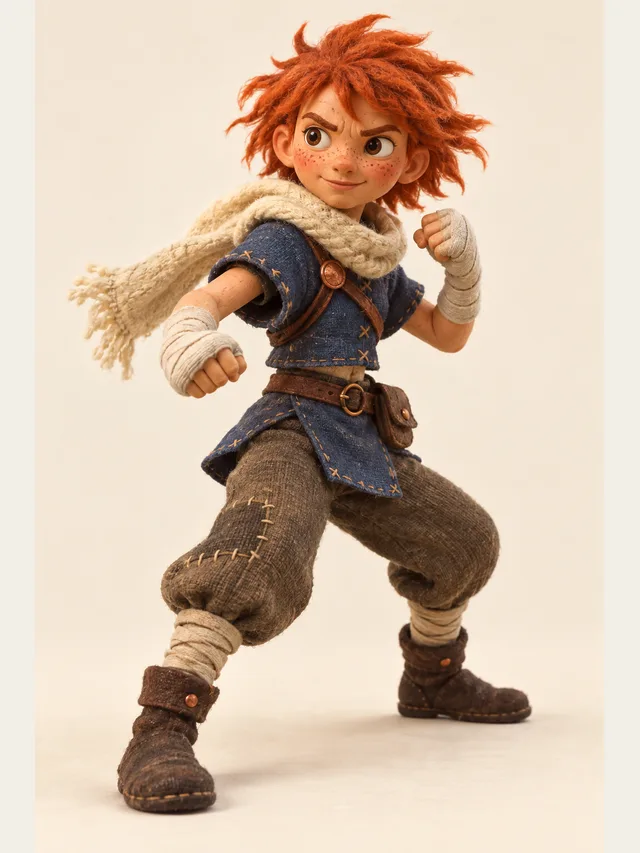
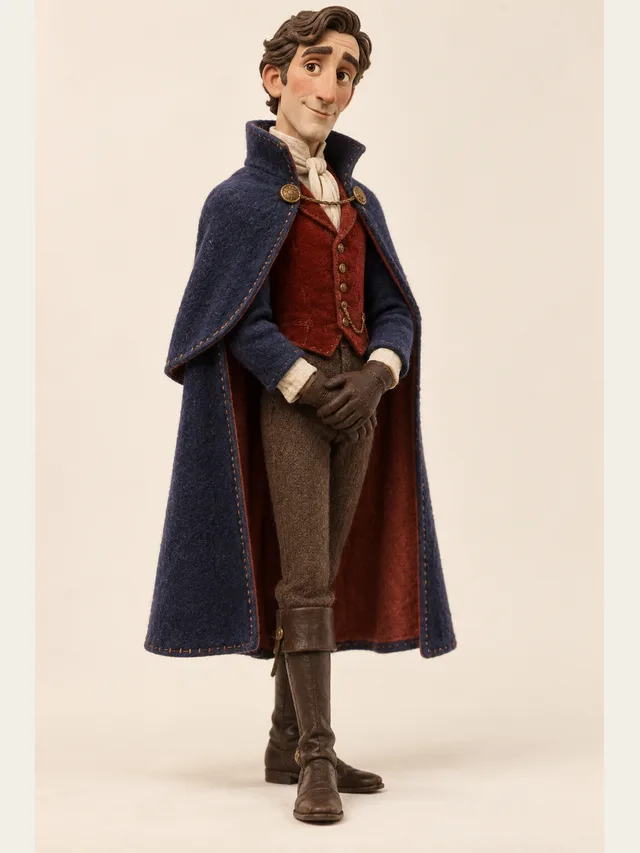
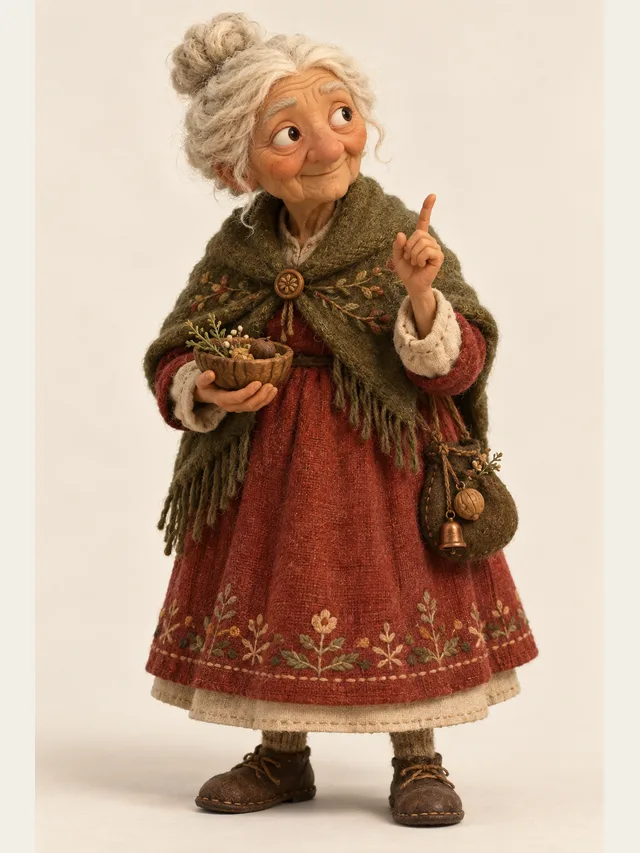
The difference, immediately
This is a scene as CastDub receives it and as it comes back. Two characters and a narrator, each with their own performer — the thing a single-voice tool cannot give you no matter how good the voice is.
Kestrel
Low, weary swordswoman who has already lost this war once
Ashford
Velvet-voiced villain who apologises before he ruins you
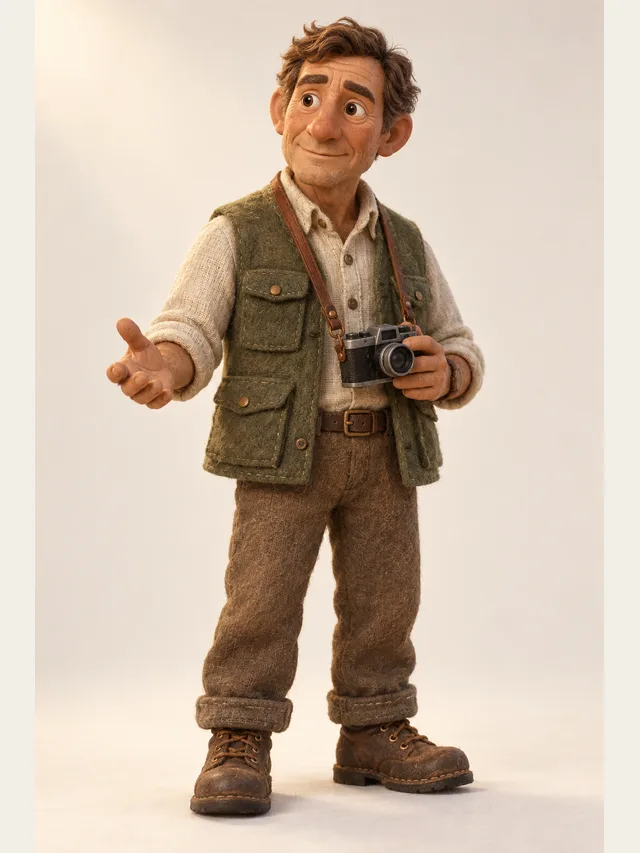
Hale
Documentary narrator with a hand on the listener's shoulder
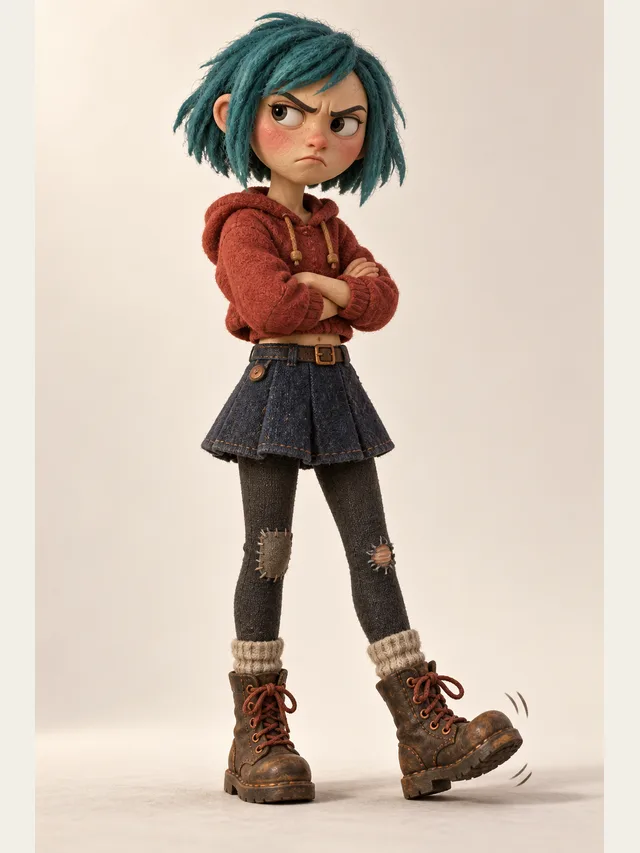
Cass
Seventeen and furious about it, in a good way
Samples on this page are placeholders while the public demo audio is produced. Every voice in the library has its own card on the voices page.
Four steps
Paste it or upload a text file. Screenplay format, Name: lines and ordinary prose with dialogue tags all work — there is no template to fill in first.
CastDub finds every speaker and proposes a voice for each, based on how you described them. Audition alternatives back to back on the same line and keep what fits.
Set a resting register per character, then mark the specific lines where it breaks. Restraint is what makes the turn land — direct five lines, not fifty.
A mixed MP3 or WAV, per-character stems for scoring, and an SRT that is already in sync because it came from your script rather than from a transcript.
What people make
Dialogue-heavy, character-driven, and the worst thing to hand to a single narrator.
A warm adult narrator, child voices for dialogue, and no child in the recording pipeline.
Eighty episodes, a consistent lead voice, and captions per episode from the same script.
Hundreds of branching lines that must still sound the same on a second playthrough.
One narrator for the prose, a separate voice for every character in it.
Voice assets
Consistency in a series never fails because of the model. It fails because a person re-picks a similar-but-different voice six weeks later, and listeners notice immediately — human hearing is tuned for exactly that.
A character card holds the name, the persona, the voice, the resting emotion and any pronunciation fixes for that character's vocabulary. Open a new project, drop the card in, and episode twelve sounds like episode one without anyone remembering anything.
Cards travel across projects, which matters most for the things people actually produce: a serialised drama, a campaign that runs for two years, a visual novel where players compare routes.
Aria
Bright shonen-anime lead who narrates her own fight scenes
Kestrel
Low, weary swordswoman who has already lost this war once
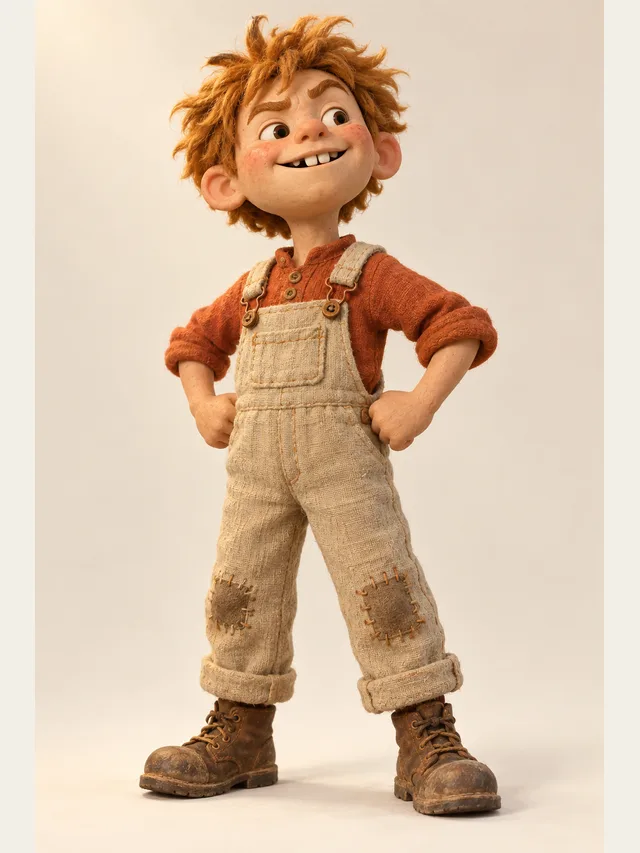
Milo
Nine-year-old with a loose tooth and a very large opinion
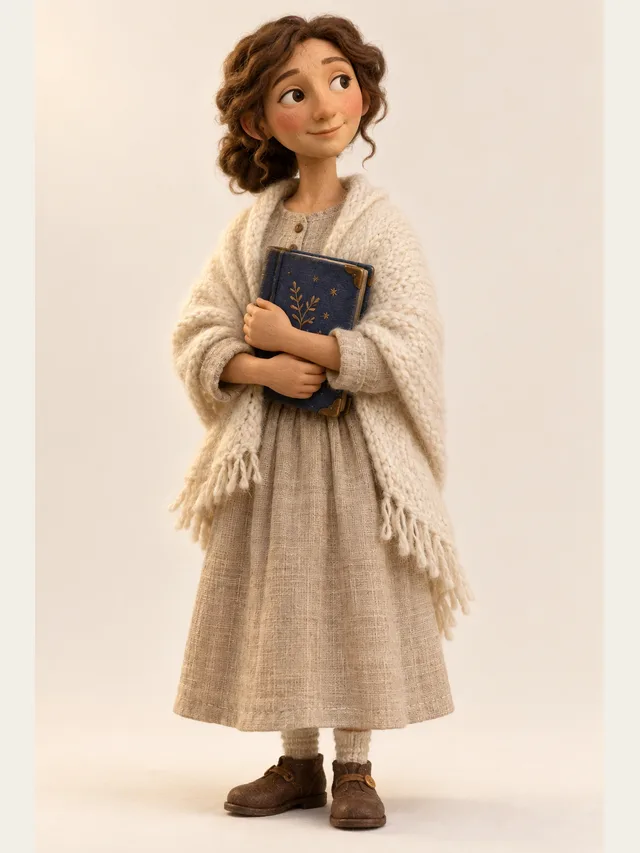
Wren
Bedtime-story narrator, slow and warm, never wakes anyone up
Reviews
Every launch page you have ever read has five glowing quotes on it. We do not have real ones yet, and inventing them is the single most common thing that makes a new product untrustworthy. When there are quotes here they will be from named people who actually used it, with a link to what they made.
Pricing
The paywall is emotion control, cast size and clone slots — not the voice library. Everyone gets every voice.
Free
$0 / month
Enough to finish a short scene and hear what your script sounds like cast.
Creator
$12 / month
For one person turning their own stories, fanfic or scripts into finished audio.
Studio
$29 / month
For serialised work: long-running dramas, audiobooks, dubbing pipelines.
Team
$69 / month
For a studio where a writer, a director and an editor touch the same project.
It is a tool that takes a script with several speakers and produces performed audio with a different voice for each of them. That is a different job from text to speech, which converts a block of text with one voice. The work here is casting, directing each line, keeping characters consistent across scenes, and exporting something you can mix.
That is the entire point. CastDub detects who is speaking, assigns a distinct voice per character, and keeps that assignment stable across the project so the same character sounds the same in scene one and scene thirty.
Yes on any paid plan — Creator, Studio and Team all include a commercial licence and export without a watermark. The free plan is for personal and non-commercial use and adds a short audio watermark. Your script remains yours on every plan.
Two on Free, five on Creator, unlimited on Studio and Team. Most single-creator scenes land between three and six speakers including a narrator, so Creator covers a lot of work and Studio covers ensemble pieces.
Cloning is available on paid plans, and only for a voice you are entitled to clone: your own, or someone who has given recorded consent. We do not clone public figures, performers, or anyone who has not consented, and we never clone the voice of a minor under any circumstances. The full rules are on our voice cloning policy page.
English today, across American, British and Australian accents, with the full library in every age band. Japanese, Spanish, Brazilian Portuguese and Korean are next — each language page says plainly what exists and what does not, rather than listing voices that are not there.
Yes, on paid plans. Because the subtitle file is generated from your script rather than transcribed from the audio, names and invented words are spelled correctly and the timings are already in sync.
Yes, and its quota resets every month rather than being a one-time trial. Free gives you two cast members, five minutes of finished audio and 10,000 characters a month, which is enough to produce a complete short scene and decide whether the tool fits how you work.
Consent and ethics
Before we build a voice model we require a spoken consent statement from the person whose voice it is. No consent statement, no model. This applies to your own voice too — it is the same recording step, and it means every model in the system has a provenance record attached to it.
Not as parody, not for research, not with a disclaimer. A synthetic recording of an identifiable person is indistinguishable from a real one once it leaves the project, and there is no framing that makes that safe. Accounts that attempt it are closed.
There is no plan, agreement or parental permission that unlocks this. The child character voices in the library are synthetic models built for the purpose, not recordings of children, which is precisely why several children's publishers prefer them.
We are not in a position to enforce this, and we will say it anyway: audiences respond well to disclosed synthetic audio and very badly to discovering it afterwards. It costs one line in a description.
Paste a script, let CastDub assign a voice to every character, and export a finished drama.
Create for freeNo credit card. Free plan renews every month.