
Aria
Bright shonen-anime lead who narrates her own fight scenes
pt-BR · Português (Brasil)
All forty characters perform in Portuguese, behind ten base voices. Ten is the number to plan around: no two characters in one project are given the same voice until those ten are used up, so that is how many speakers a scene can hold before two of them share a throat. The other thing to know before you start is which Portuguese comes out — Brazilian, in a general accent, with no way to ask for a European reading or for a particular part of Brazil.
Aria
Bright shonen-anime lead who narrates her own fight scenes

Koji
Rival character: clipped, competitive, secretly loyal
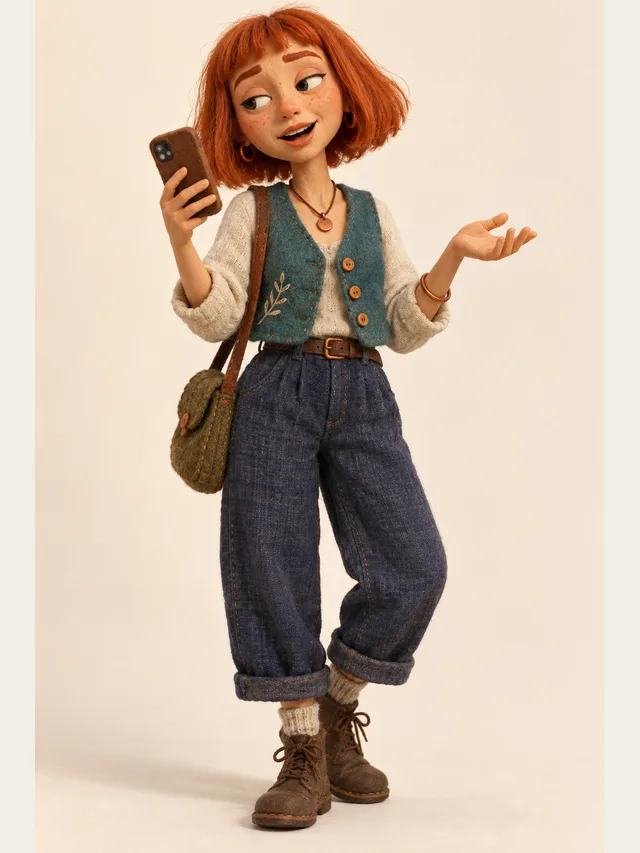
Indie
TikTok voiceover: fast, flat, faintly amused

Quill
YouTube explainer voice that never sounds bored
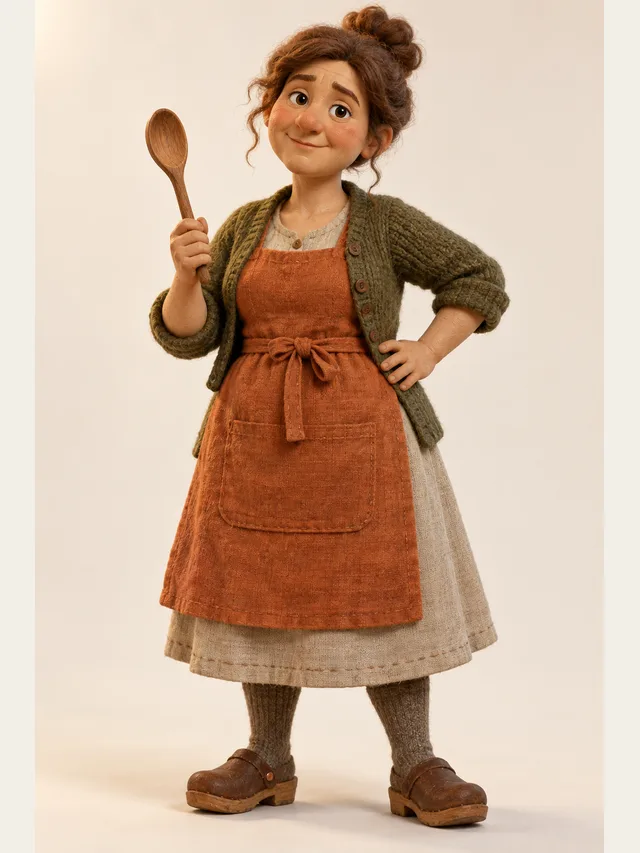
Hazel
Mum voice: patient, then suddenly not

Axel
Arena announcer who has never used an indoor voice
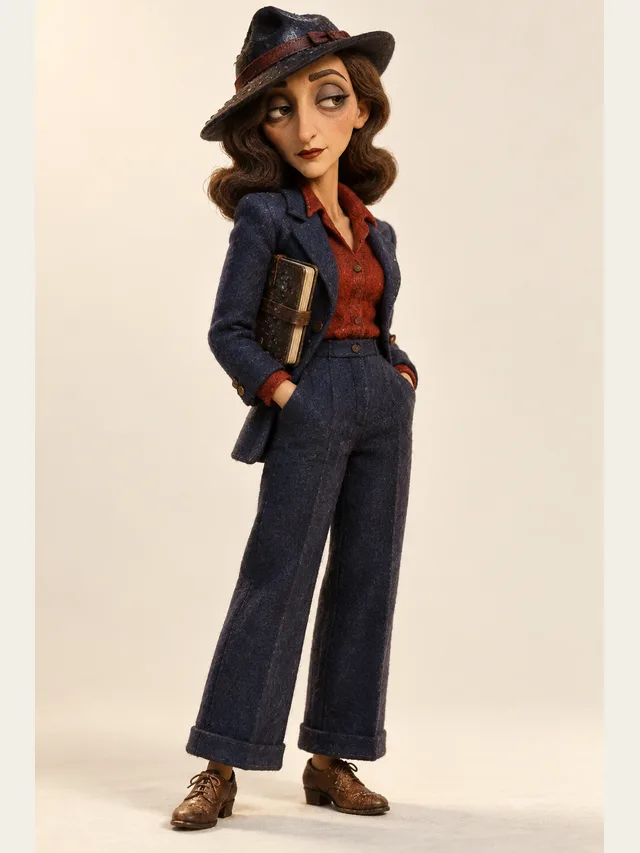
Sable
Noir detective narrating her own bad decisions

Rook
Pirate quartermaster, salt in the throat, jokes in the threat

Gran Thea
Grandmother telling a folk tale she half believes

Orrin
Old man on a porch who remembers the flood
See all 40 characters — every one of them performs in Brazilian Portuguese →
The difference between the two Portugueses is not a shade of accent, it is the vowels. European Portuguese reduces unstressed vowels until they nearly disappear, which is why the language sounds consonant-heavy to a Brazilian ear; Brazilian Portuguese keeps them open and lands closer to syllable-timed rhythm. A Brazilian listener identifies a European reading inside one sentence, and in a scene meant to be set in São Paulo that would be a miscast character rather than a character with an accent.
What the site does is Brazilian Portuguese, and it does not offer European Portuguese as an option. If you are producing for Portugal, that is a real limitation and worth hearing for yourself before you plan anything long — paste two of your own lines and listen. Within Brazil there is no regional choice either: carioca, paulista and nordestino speech are not things you can ask for, so where region matters it has to live in the vocabulary and the writing.
Brazilian Portuguese mostly uses você with third-person verb agreement, but tu survives in the South and much of the Northeast, sometimes with proper second-person agreement and sometimes not. Which one your characters use places them socially and geographically, and it is entirely a writing decision — there is no control here that changes it.
Worth naming separately: Brazilian dubbing has a house style. Decades of dublagem have trained listeners to expect a particular clean, slightly heightened delivery from dubbed dialogue, and that register reads as dubbing rather than as speech. If you are making original audio drama rather than a dub, writing dialogue the way people actually talk is what keeps it from sounding like a localised import.
Ten distinct voices is comfortable for a serialised drama with a handful of speakers per scene and tight for a large ensemble. Free allows two cast members per project and Basic five, so the ceiling is only reachable on Plus and Pro, where the cast size is uncapped. Ten is not a Portuguese limitation — it is the same ten in every language — and each library character is fixed to one of them, separated from the rest by persona and by the direction each line carries. Past ten, two characters share a voice and are told apart by how they play, which works but is a smaller difference than a change of voice. Audition your shortlist on the same line before you commit.
There are no children's voices in Portuguese, or in any other language here. A child character is performed by an adult voice playing young — often a woman playing a boy, which is how animation has always cast children. This lands hardest on exactly the work Brazil does most of: animation dubbing is built on child characters, and dublagem is one of the few places where audiences can name the voice actors. A performed child that is audibly an adult will not pass in that company, and we would rather you heard it from us than at export.
Six lines in a flat, three speakers, all of them characters from this page. The Portuguese is the script; the notes after each line are what we would cast and how we would direct it. Indie has found the router unplugged, Quill unplugged it, Hazel has watched this happen before.
Indie: — Você desligou o roteador de novo. — You unplugged the router again. Indie is the fast, flat social-video voice, which is the right shape for an accusation that is not really angry. Neutral. Note você rather than tu: that decision belongs to the script and places the characters before any casting does.
Quill: — Desliguei. Estava quente. — I did. It was hot. Answering with the bare verb is how Brazilian Portuguese says yes, and it is the line most likely to come out as a fragment rather than as an answer. Audition it; if it lands flat, put Desliguei on its own line for Quill, and the short gap between two of his lines does what a full stop cannot.
Hazel: — Ele sempre foi quente. Faz oito anos que ele é quente. — It has always been hot. It has been hot for eight years. Hazel is the patient-then-suddenly-not character and this is the patient half. Neutral: the repetition is the joke, and a preset on top of it is one instruction too many.
Indie: — E faz oito anos que ninguém desliga. — And for eight years nobody has unplugged it. The same construction turned around. This is the line to mark if you have line-by-line emotion, which is a Pro control, and the preset is happy rather than angry.
Quill: — Então alguém tinha que ser o primeiro. — So somebody had to be first. Neutral, and 0.9× on Plus or Pro. It is the punchline, and slowing the line is the only pacing control there is.
Hazel: — Liga de volta antes que eu perca a novela. — Plug it back in before I miss my novela. The subjunctive after antes que is correct and is where a reading sometimes hesitates, so listen to it once. Listen to novela too: it is the most Brazilian word in the scene and the one worth getting right.
Three speakers, three of the ten base voices, Brazilian Portuguese throughout, and nothing in the setup naming a region, because carioca and nordestino are not things you can ask for. The one thing this scene deliberately avoids is the dubbing register: nobody in it is speaking more clearly than a person would.
Exporting spends download credits and re-exporting the same project spends them again, so listen once to the assembled scene. Six things catch Brazilian Portuguese out more often than the rest.
Você and tu, end to end. Play the whole export and listen for one slipping into the other. Mixed forms read as an editing mistake rather than as regional colour, and no casting decision repairs it.
Homographs. Sede as thirst or as headquarters, colher as a spoon or as a verb, governo, acerto. The spelling is identical and the vowel decides which word it is. Listen in context; where the wrong one comes out, rewrite the sentence until the other reading is impossible — sede de água, uma colher de açúcar.
Numbers and dates. 12/05 is the twelfth of May in Brazil; R$ 1.500,00 puts the separators the other way from English. Write out anything spoken: doze de maio, mil e quinhentos reais, sete e meia.
English words. Brazilian Portuguese borrows freely — delivery, print, shopping — and each comes out either English or Brazilianised, unpredictably. Decide per word; where you want the Brazilian reading, write the sound in Portuguese spelling. What gets noticed is inconsistency across the export rather than any one word.
Nasal endings in sequence. A line that stacks ão, ãe and õe endings is hard to read aloud and harder to perform. If it makes you stumble reading it yourself, it will flatten; rewrite the line rather than re-directing it.
The dubbing register. Play the mixed file and ask whether anyone is enunciating like a dub. When they are, the cause is usually too many marked lines rather than the wrong character: set the marked ones back to the character default and listen again.
A project takes its language from the CastDub interface you create it in and keeps it, so switch the site to Portuguese before opening a new project.
Play your whole shortlist on one real line from the script. What you are judging is the person, not the accent — the accent is Brazilian either way and is not yours to change.
One utterance per line. Keep the second-person forms consistent — mixed você and tu reads as an editing mistake, not as regional colour.
The dubbing register is the trap here. Fewer marked lines usually sounds more Brazilian, not less expressive.
Mixed file on any plan, SRT from Plus, one track per character on Pro.
Ten. Every one of the forty characters performs in Portuguese, but ten base voices sit behind them — the same ten as in every language here — so a larger cast will contain repeats.
No. What you get is Brazilian Portuguese, and there is no setting that changes it. For a production aimed at Portugal that is a genuine gap rather than a detail, so listen to a line of your own before you plan around it.
No, and the result is worse than an accent: it is unintelligible in places and unintentionally comic in others. Create the project from the Portuguese interface and the Portuguese voices follow.
No, and none in any other language here. Child characters are performed by adult voices playing young, the way animation casts them, so a boy is often played by a woman. Writing the young roles as teenagers is the workable adaptation.
Listen to it in the line rather than on its own, because context settles most of them. Where it still comes out wrong there is no reading override, so rewrite until the other reading is impossible: sede de água, uma colher de açúcar. Names are the harder case, and there the method is to respell the sound and change it back in the SRT subtitles afterwards if you publish them.
Either, and not predictably, which matters because Brazilian Portuguese uses so many of them. Audition every one that appears more than once. Where you want the Brazilianised reading, write the sound in Portuguese spelling; where you want the English one, keep the English spelling and check that it does not break the rhythm of the line around it. Being consistent across the whole export matters more than which way you go.
Paste a script, let CastDub assign a voice to every character, and export a finished drama.
Create for freeNo credit card. Free gives you a one-time pot of credits.