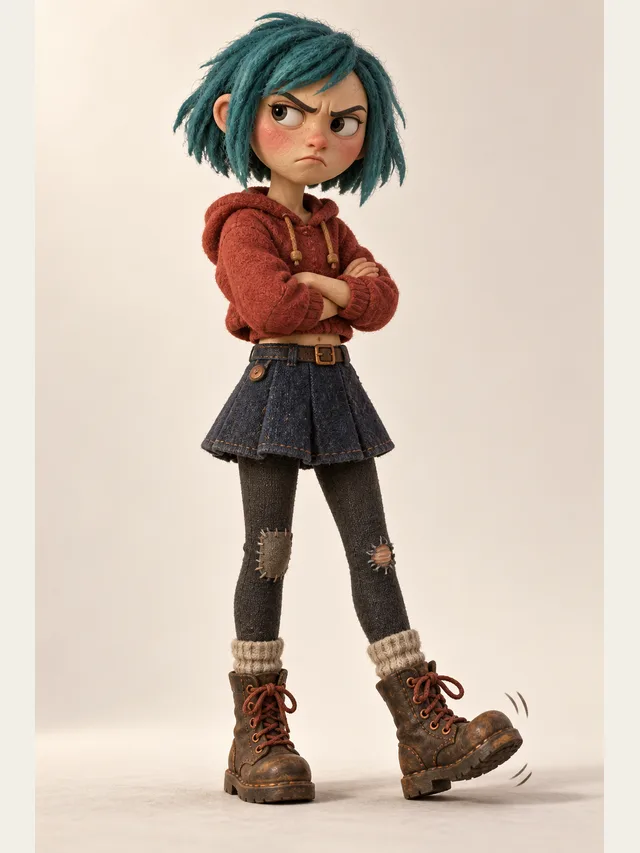
Cass
Seventeen and furious about it, in a good way
Этой страницы пока нет на русском — показана английская версия.
ko-KR · 한국어
All forty characters perform in Korean, behind fourteen distinct voices. Fourteen is the honest ceiling: no two characters in one project are handed the same voice until those fourteen are used up, and past that two of them share a throat. The other thing worth knowing before you start is that the most important information in Korean dialogue — who outranks whom, who is close to whom — is carried by verb endings in your text, not by anything you can choose in the cast list.
Cass
Seventeen and furious about it, in a good way
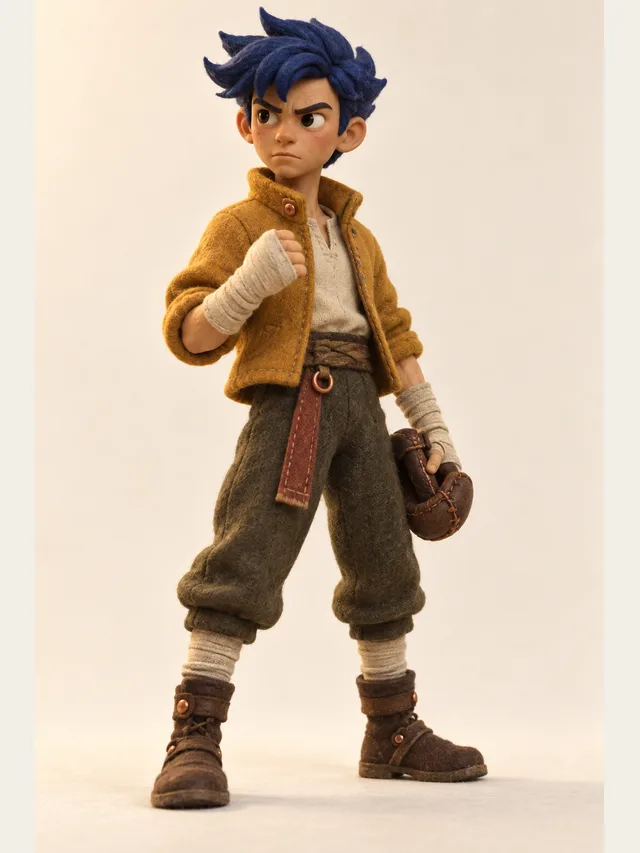
Koji
Rival character: clipped, competitive, secretly loyal
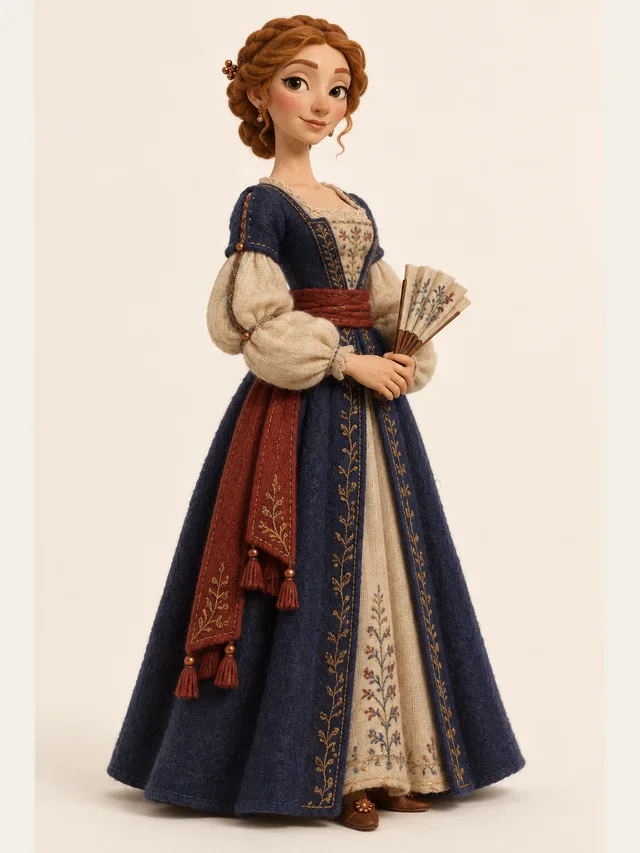
Seraphine
Court princess whose politeness is a weapon
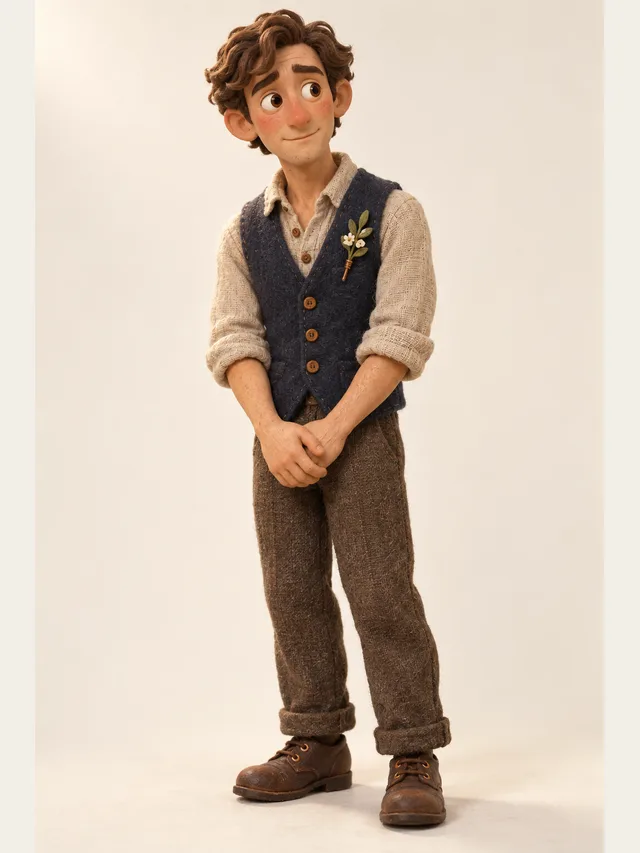
Ezra
Visual-novel love interest with a two-second pause before honesty
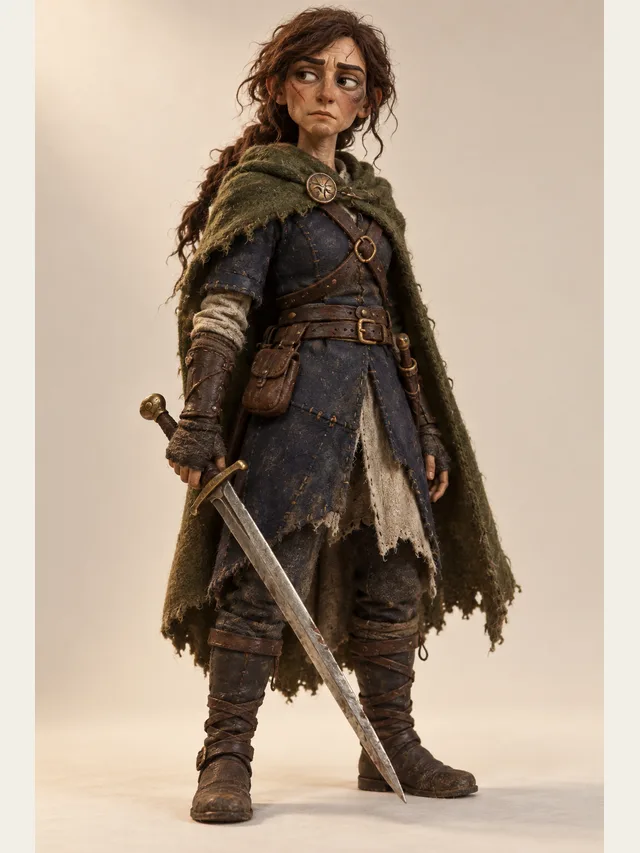
Kestrel
Low, weary swordswoman who has already lost this war once
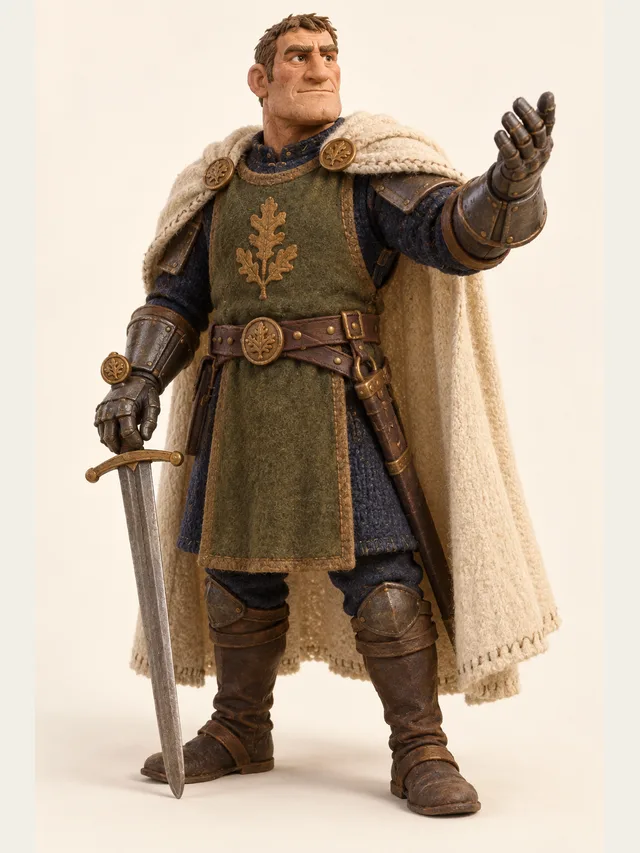
Torvald
Knight commander who gives orders that men actually follow
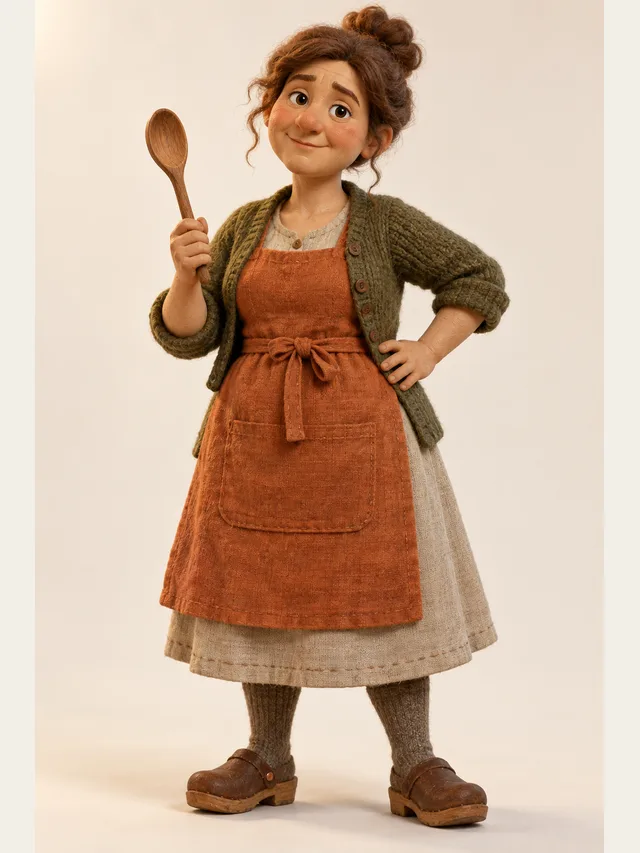
Hazel
Mum voice: patient, then suddenly not
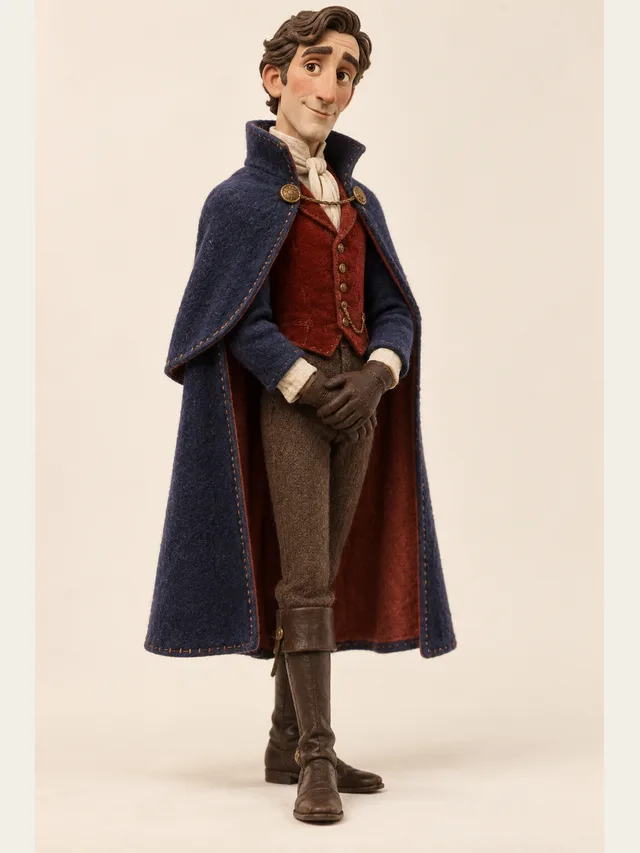
Ashford
Velvet-voiced villain who apologises before he ruins you
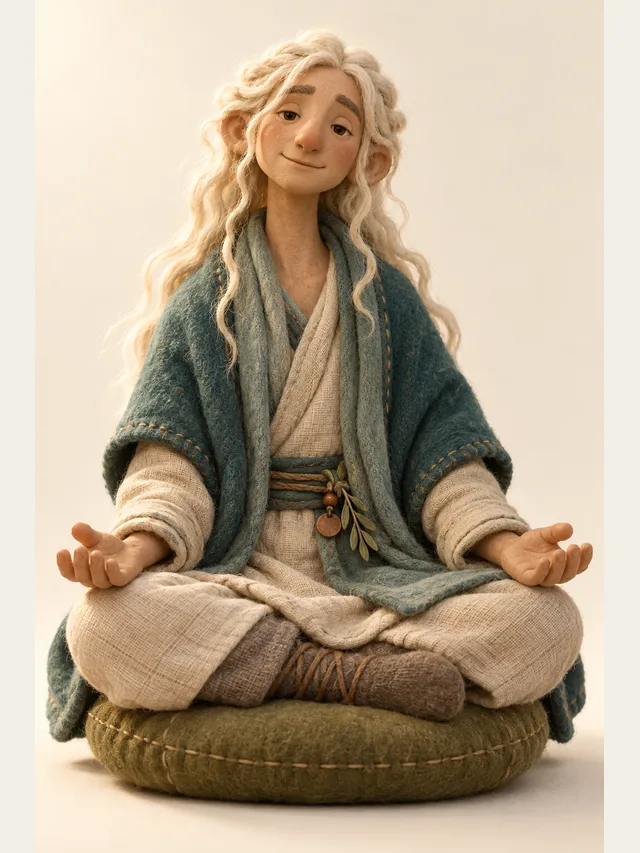
Halcyon
Meditation-adjacent narrator for slow, quiet scenes
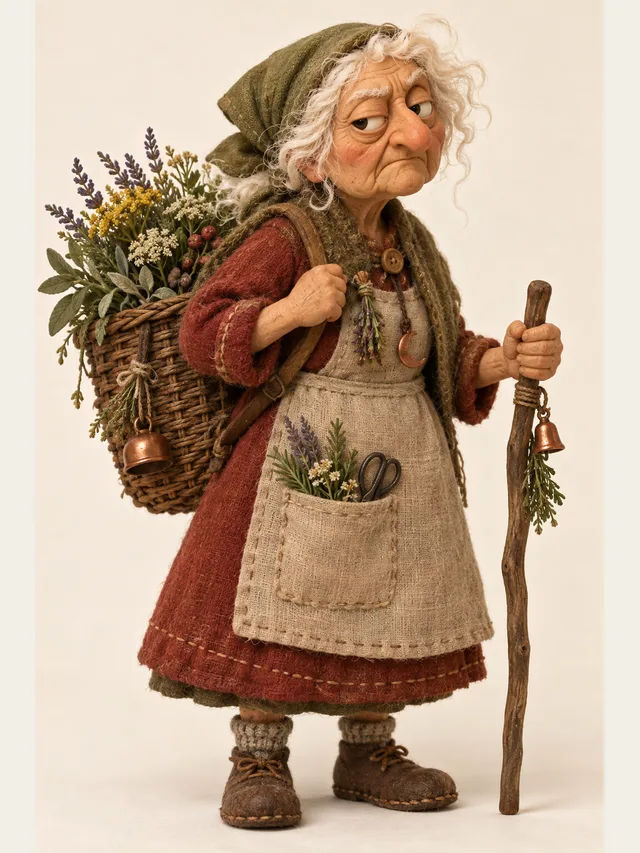
Mabel
Village witch, more herbs than hexes, very tired of adventurers
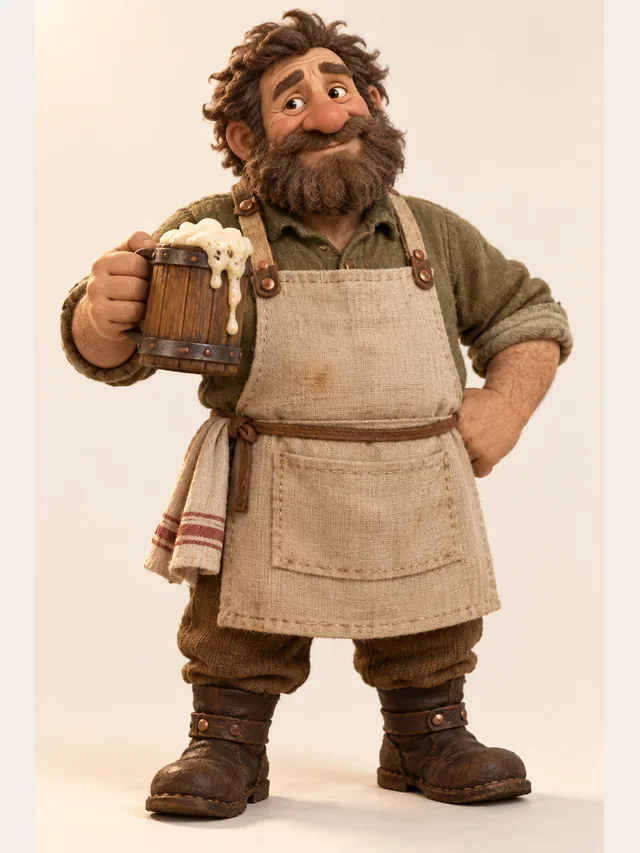
Bram
Tavern keeper and accidental quest giver
Almost every Korean sentence ends by declaring the speaker's relationship to the listener. 합쇼체 and 해요체 and 해체 and 한다체 are not degrees of a courtesy dial; they are four different social positions, and a listener reads them before they process the content. Two characters who speak 존댓말 to each other are not the same two characters after they switch to 반말, and the moment of that switch — 우리 말 놓자 — is a scene, not a formatting change.
Everything above is in the text. Nothing in the casting layer touches it and nothing should: keep the same voice across the switch, because the whole effect depends on the voice staying constant while the endings change. A translator who flattens the levels into uniform politeness has removed the plot, and no voice will put it back.
선배, 후배, 언니, 오빠, 형, 누나, 선생님, and the -씨 and -님 suffixes encode age gap, closeness and professional standing. English translations routinely replace them with names, which is why translated Korean dialogue so often feels flatter than the original — the relationships have quietly been deleted. In an audio script they are worth keeping even when the surrounding prose is in another language.
The engine reads them correctly. The decision is yours: whether a character says 지현아 or 지현 씨 or 선배 tells the listener where they stand, and it is worth going through your script once with only that question in mind before you cast anyone.
Fourteen distinct voices is workable for web-novel narration and short-form drama, where scenes usually run two to four speakers, and thin for a large ensemble. Free allows two cast members and Basic five, so the ceiling is reached only on Plus and Pro, where cast size is uncapped. Three of the fourteen are natively Korean voices and the remaining eleven are multilingual voices performing Korean. Which one a character gets follows its gender and age band, not the size of your cast, and thirty-one of the forty library characters start on a multilingual voice in Korean — so even a two-person scene will usually include one. Audition your lead across both groups rather than assuming the native ones win.
Korean has no true children's voices. A child character goes to the highest-pitched adult voice of its gender — a native Korean man's voice for Milo, a multilingual woman's voice for the gender-neutral Pip — which reads as young at best, not as a child. Given how much Korean short drama turns on family scenes, this is the limitation most likely to affect real projects, and the workable adaptation is to write young roles as teenagers.
A project inherits its language from the CastDub interface you create it in and keeps it for good, so switch the site to Korean before you open a new project.
Go through the cast list and write down who speaks 반말 to whom. This is the information the script has to encode, and it is easier to fix in a list than in dialogue.
One utterance per line. Keep the titles and suffixes intact — they are content, not decoration.
Korean dialogue is built out of two-person relationships. Audition characters in the pairs they actually speak in, and the mismatches become obvious.
Mixed file on any plan, SRT from Plus, one track per character on Pro.
Fourteen. All forty characters perform in Korean, and fourteen distinct voices sit behind them, so a cast larger than fourteen will contain repeats.
No, and it should not. Speech level is authorial — it says what the characters are to each other. It belongs in your script, where you control it, rather than in a setting that guesses.
No. Keep the voice and let the endings do the work. Recasting at that moment destroys the beat, because the point is that the same person is speaking differently.
No. A child character is performed by the highest-pitched adult voice of its gender, sometimes a multilingual one, so it is performed by an adult and sounds like one.
Вставьте сценарий, дайте CastDub подобрать голос каждому персонажу и экспортируйте готовый аудиоспектакль.
Создать бесплатноКарта не нужна. Free даёт разовый запас кредитов.