
Inés
Bilingual lead who switches register mid-sentence
Esta página todavía no está disponible en español; te mostramos la versión en inglés.
es-ES · Español
Spanish has as much room as any language in the library, level with English: all forty characters perform in it, behind thirty-two distinct voices. Twenty of them are Spanish-language voices from Spain, Argentina, Chile, Colombia, Cuba, Ecuador and more; the other twelve are multilingual voices borrowed from other languages. That is wide enough to cast a large ensemble without repeats, and wide enough to do something better — audition for region, so the family and the outsider do not sound like the same place.
Inés
Bilingual lead who switches register mid-sentence
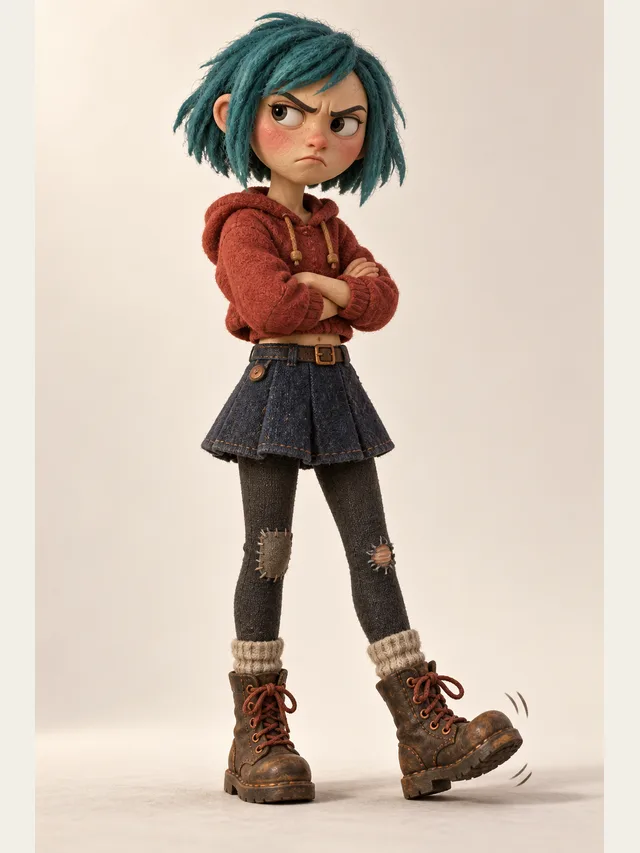
Cass
Seventeen and furious about it, in a good way

Koji
Rival character: clipped, competitive, secretly loyal
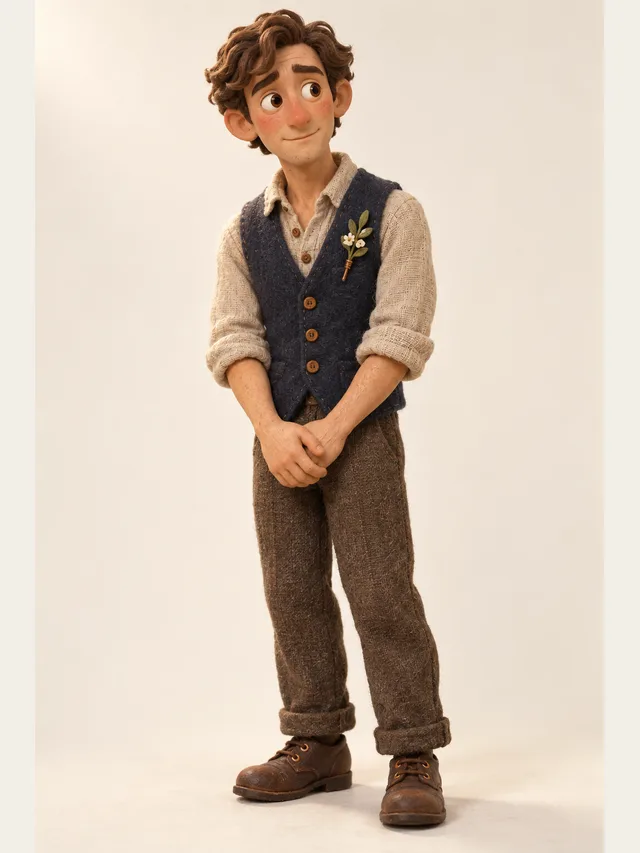
Ezra
Visual-novel love interest with a two-second pause before honesty
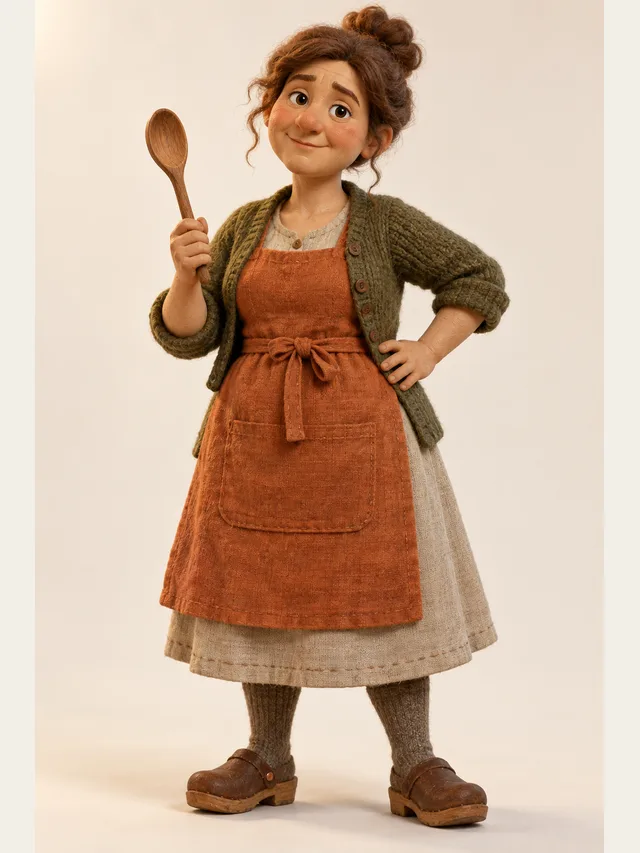
Hazel
Mum voice: patient, then suddenly not
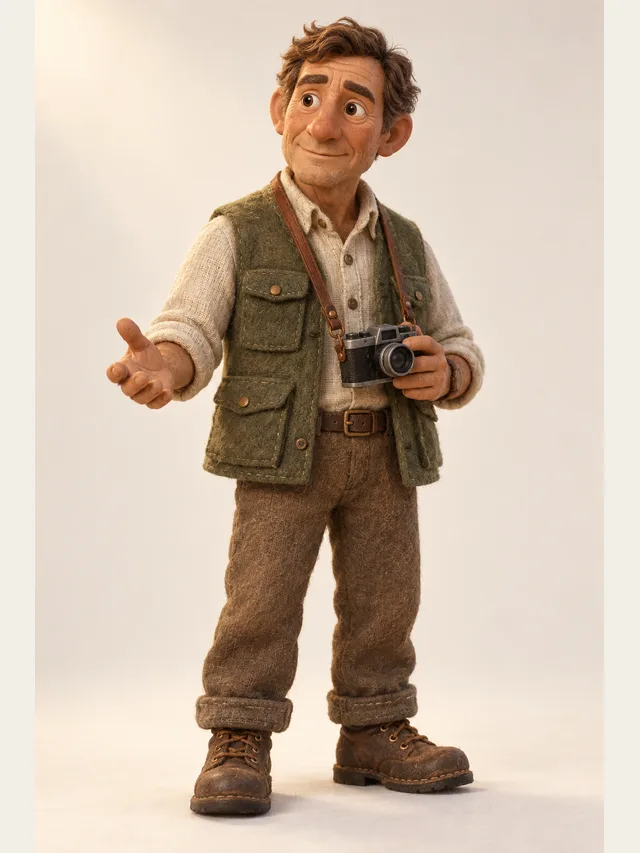
Hale
Documentary narrator with a hand on the listener's shoulder
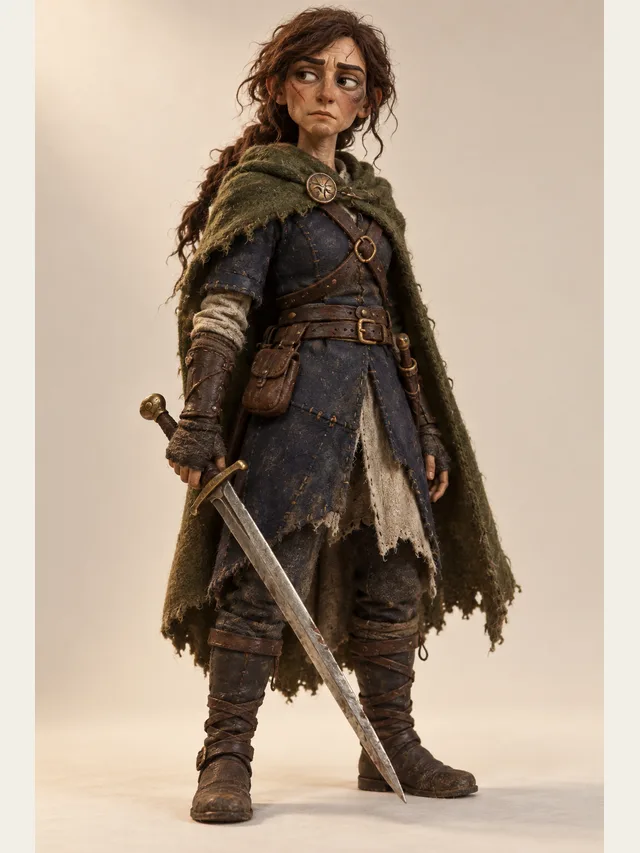
Kestrel
Low, weary swordswoman who has already lost this war once

Sable
Noir detective narrating her own bad decisions

Rook
Pirate quartermaster, salt in the throat, jokes in the threat
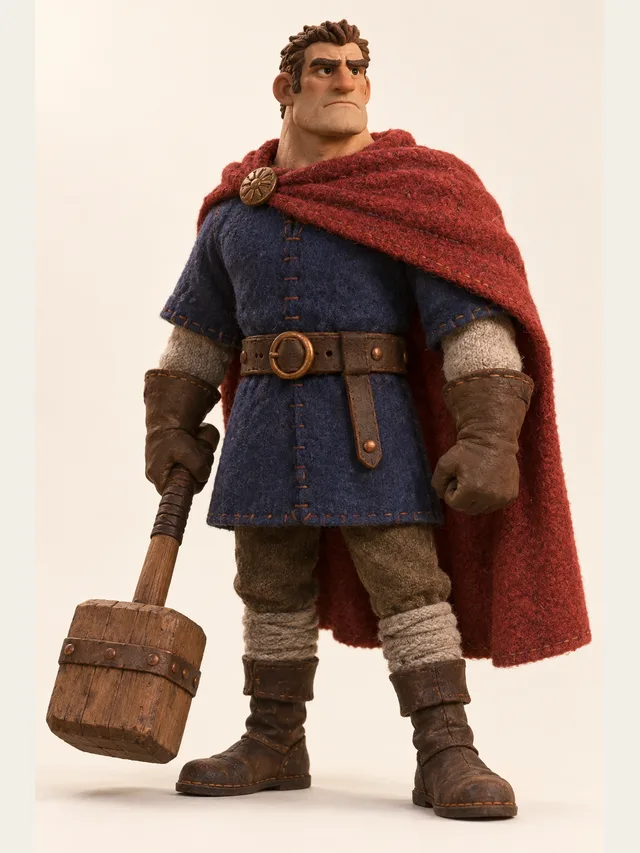
Duke
Trailer voice. Three words per breath. All of them heavy.
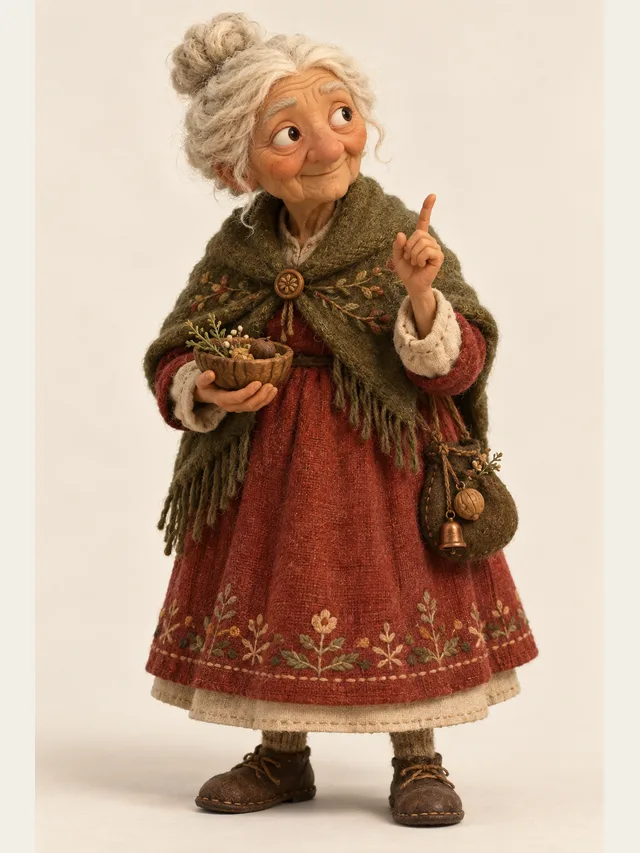
Gran Thea
Grandmother telling a folk tale she half believes
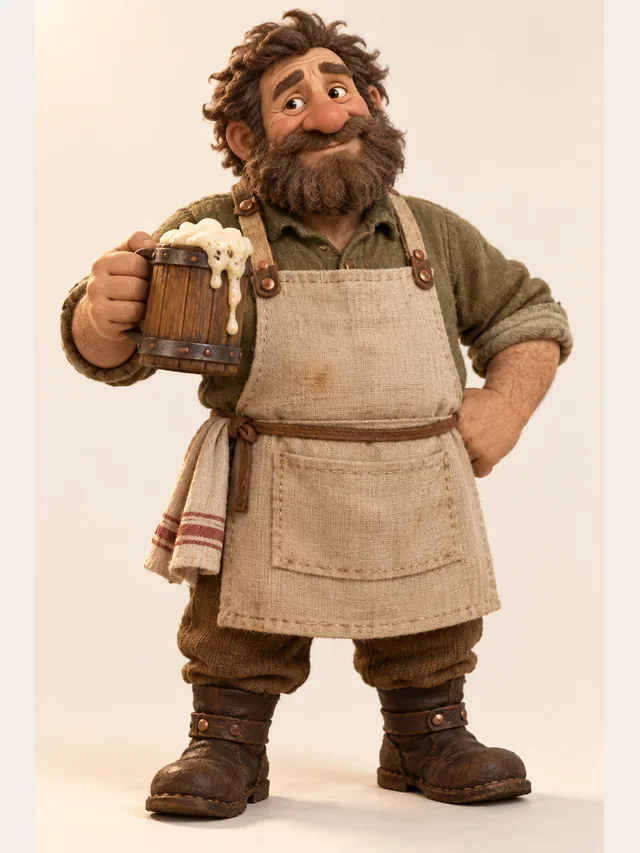
Bram
Tavern keeper and accidental quest giver
The voices behind Spanish are not one accent. Peninsular voices distinguish the /θ/ in cielo and caza; every Latin American voice in the set uses seseo and does not. Rioplatense adds its own rehilamiento, so calle and yo come out with a sound no other variety uses. These differences are audible in the first sentence, and a listener places a character by them before they process a word of content.
With twenty regional voices in the pool, the useful move is not to accept one neutral variety and stay there. You cannot pick a region directly — you pick a library character, and the voice follows from it — but you can audition characters until the regions fall where you want them: the father from Spain, the cousins from Buenos Aires, the narrator from nowhere in particular. One gap to plan around: there is no Mexican voice in the pool, so work aimed at Mexico is cast with whichever Latin American voices sit closest, and the vocabulary has to do the rest. Neutral Spanish — the placeless dubbing register — exists for commercial narration and is exactly wrong for drama, because belonging nowhere is the one thing a character cannot do.
The second person is where a Spanish script declares its variety, and it is in your text rather than in any control we offer. Vosotros habláis is Spain and nowhere else; vos hablás is the Río de la Plata and parts of Central America; ustedes covers everything in between. A Peninsular voice reading ustedes is unremarkable. A Rioplatense voice reading vosotros is a mistake the audience hears immediately.
Decide the variety before you translate, not after, because the verb forms are not a find-and-replace away from each other. This is the single most common way a Spanish localisation gives itself away, and no amount of voice selection repairs it.
In the language with the widest range here, the one thing the range cannot buy you is a child. There are no true children's voices in Spanish: a child character goes to the highest-pitched adult voice of its gender, and that is often a borrowed one — Milo, the nine-year-old boy, lands on an Italian multilingual voice. The best it does is read as young. It is a conspicuous gap precisely because everything around it is so well covered — you can place one family across four countries and still not find a nine-year-old.
Everything above that band is well covered, with one thing to know: twelve of the thirty-two are borrowed multilingual voices, and thirteen of the forty library characters start on one in Spanish, because which voice a character gets follows its gender and age band rather than the size of your cast. A small scene can meet one, so audition per character. Beyond that, Spanish and English are the languages where a large cast is least likely to run into repeats, and where the per-project cap on Free and Basic will bind long before the voice count does.
Spain, the Río de la Plata, another Latin American variety or deliberately mixed — bearing in mind there is no Mexican voice in the pool. This decision drives translation and casting both, and changing it late is expensive.
A project inherits its language from the CastDub interface you create it in and cannot be switched afterwards, so change the site language before you open a new project.
One utterance per line. Check that your second-person forms are consistent with the variety you chose.
With twenty regional voices you can afford to make accent carry meaning. Region is not a setting, so audition two library characters per role and keep the one whose voice lands where the character is from.
Mixed file on any plan, SRT from Plus, one track per character on Pro.
Thirty-two — the widest of any language here, tied with English. All forty characters perform in Spanish, and casting inside a project avoids repeats until those thirty-two are used up, so that is how many can sound genuinely different at once.
Both, in one pool: three voices from Spain, sixteen from eight Latin American countries — Argentina, Bolivia, Chile, Colombia, Costa Rica, Cuba, the Dominican Republic and Ecuador — and one from Equatorial Guinea. There is no Mexican voice. Because they sit together, casting by region is something you can do today.
Not directly — you cast a character, and the voice follows from the character. What you can do is audition and keep the one that sits where you want it, since a given character always starts on the same voice and only moves if it clashes with someone already in the project.
No. A child character is performed by the highest-pitched adult voice of its gender, sometimes a multilingual one borrowed from another language. The child characters still perform — they are simply performed by adults, which is audible. We would rather say so than let you find out at export.
Pega un guion, deja que CastDub le dé una voz propia a cada personaje y exporta un audiodrama terminado.
Empieza gratisSin tarjeta. Free te da una bolsa única de créditos.