
Aria
Bright shonen-anime lead who narrates her own fight scenes
Cette page n'est pas encore disponible en français ; la version anglaise est affichée.
pt-BR · Português (Brasil)
All forty characters perform in Portuguese, behind sixteen distinct voices. Sixteen is the number to plan around: no two characters in one project are given the same voice until those sixteen are used up, so that is how many speakers a scene can hold before two of them share a throat. The second number to know is that the pool holds both Brazilian and European voices, which means a careless cast can accidentally fly one of your characters in from Lisbon.
Aria
Bright shonen-anime lead who narrates her own fight scenes
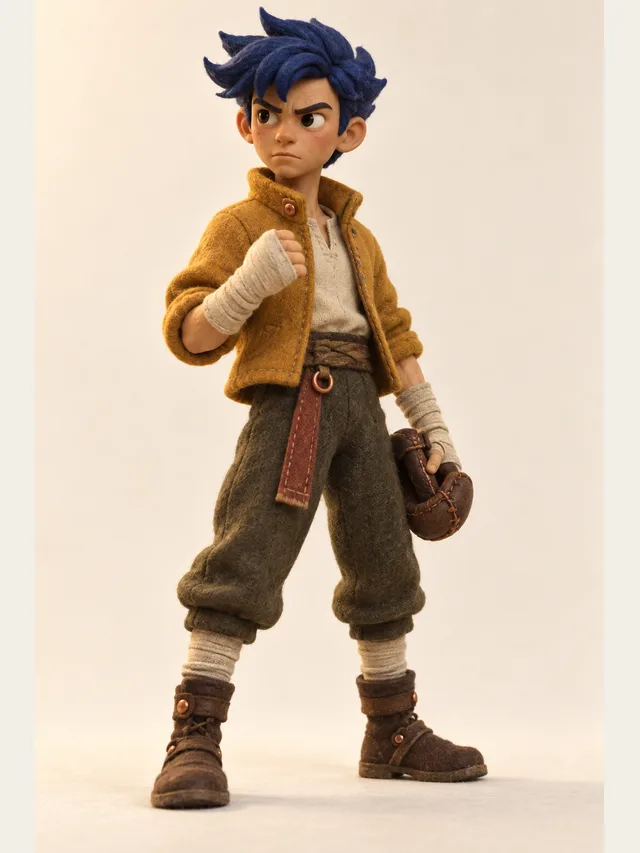
Koji
Rival character: clipped, competitive, secretly loyal
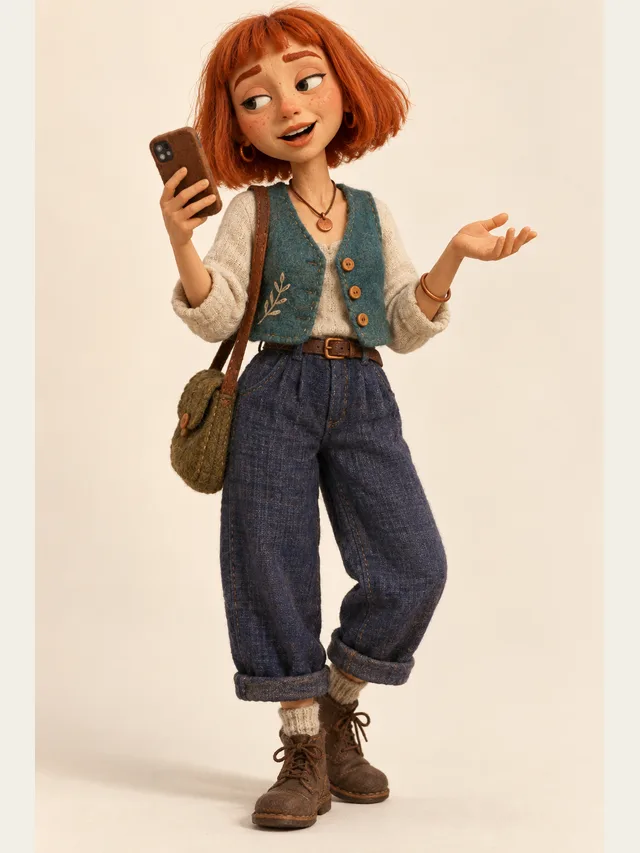
Indie
TikTok voiceover: fast, flat, faintly amused
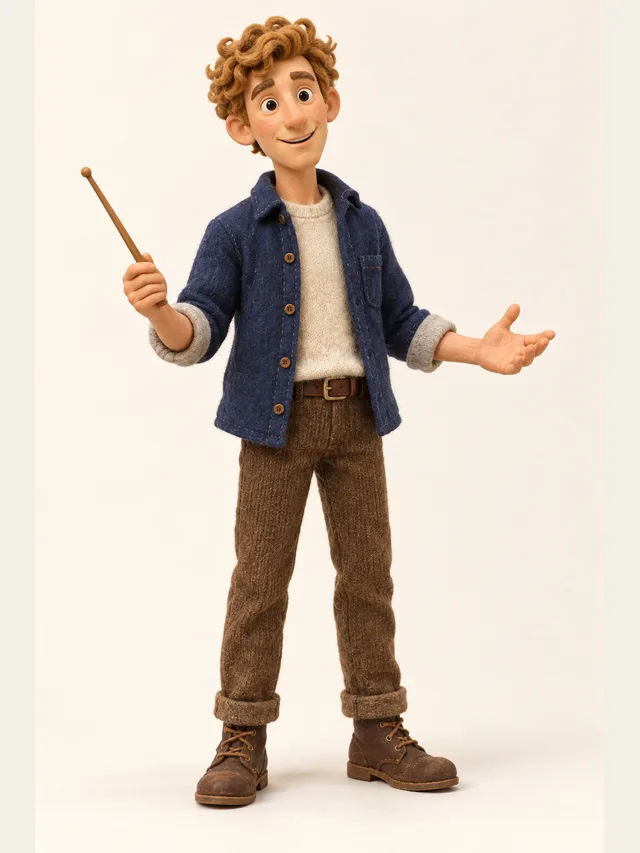
Quill
YouTube explainer voice that never sounds bored
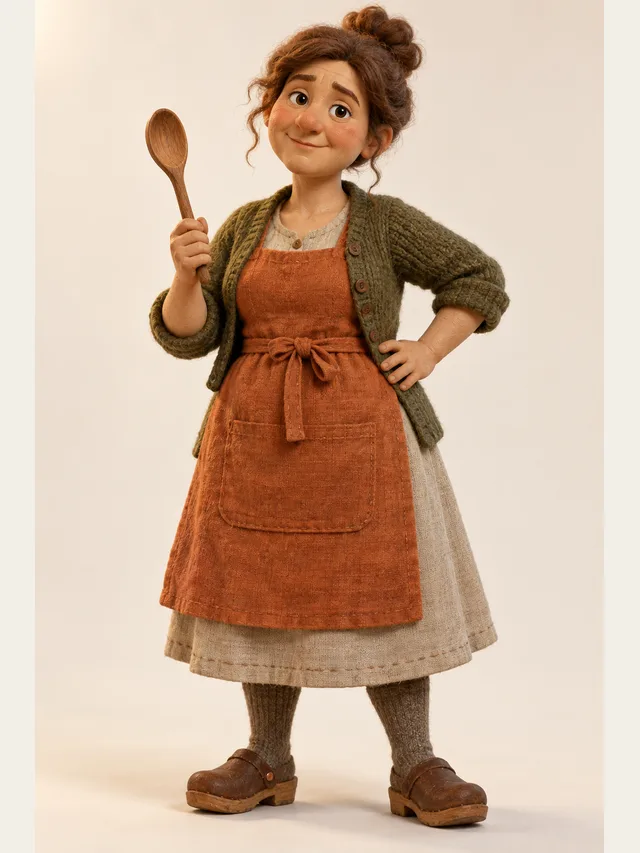
Hazel
Mum voice: patient, then suddenly not

Axel
Arena announcer who has never used an indoor voice
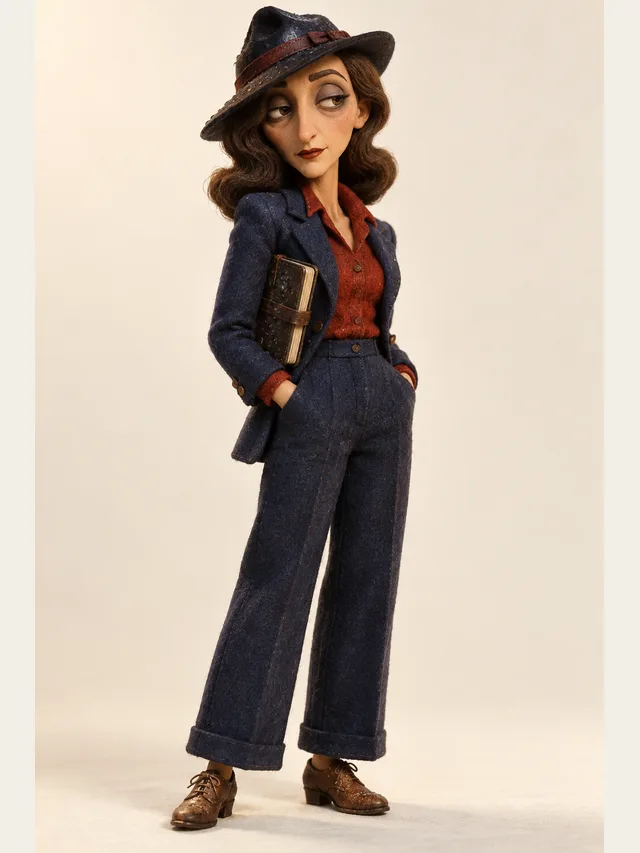
Sable
Noir detective narrating her own bad decisions
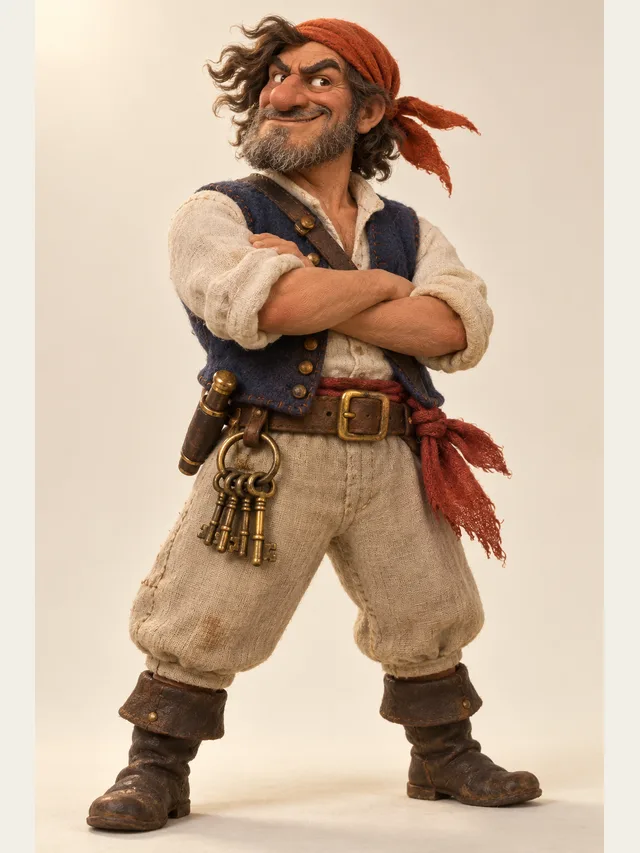
Rook
Pirate quartermaster, salt in the throat, jokes in the threat
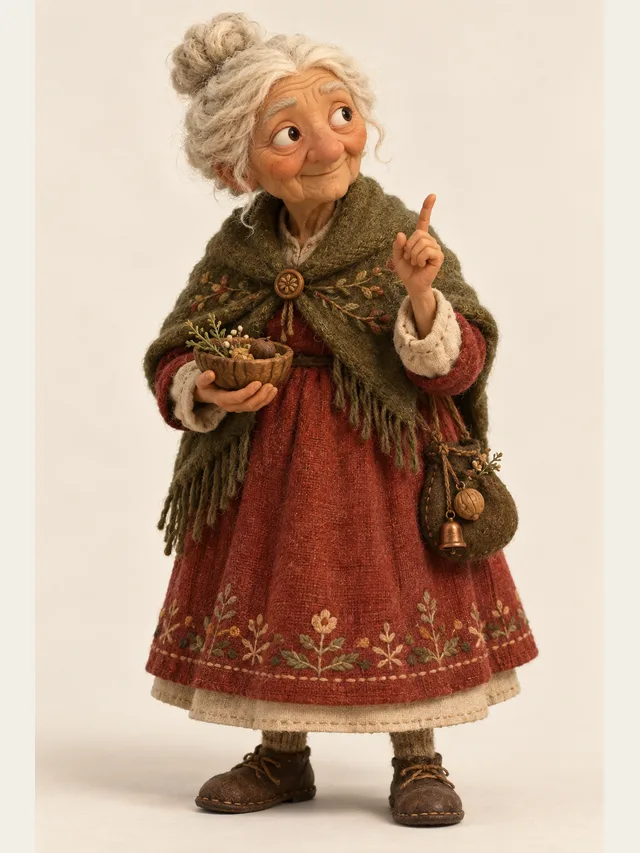
Gran Thea
Grandmother telling a folk tale she half believes
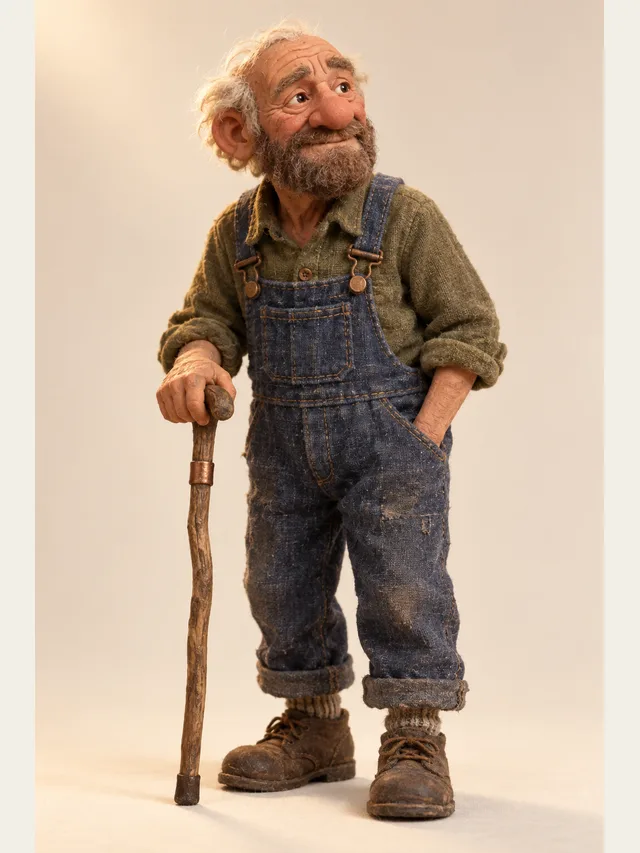
Orrin
Old man on a porch who remembers the flood
Voir les 40 personnages — ils jouent tous en Brazilian Portuguese →
The difference between the two is not a shade of accent, it is the vowels. European Portuguese reduces unstressed vowels until they nearly disappear, which is why the language sounds consonant-heavy to a Brazilian ear; Brazilian Portuguese keeps them open and lands closer to syllable-timed rhythm. A Brazilian listener identifies a European voice inside one sentence, and in a scene meant to be set in São Paulo, that is a character who has been miscast rather than a character with an accent.
Because both sit in the same sixteen, this is something to audition for rather than assume. Listen to every voice in your cast on the same line and swap out the library characters whose voices do not belong to your setting — the effort is a few minutes at casting time and it is not recoverable afterwards.
Brazilian Portuguese mostly uses você with third-person verb agreement, but tu survives in the South and much of the Northeast, sometimes with proper second-person agreement and sometimes not. Which one your characters use places them socially and geographically, and it is entirely a writing decision — there is no control here that changes it.
Worth naming separately: Brazilian dubbing has a house style. Decades of dublagem have trained listeners to expect a particular clean, slightly heightened delivery from dubbed dialogue, and that register reads as dubbing rather than as speech. If you are making original audio drama rather than a dub, writing dialogue the way people actually talk is what keeps it from sounding like a localised import.
Sixteen distinct voices is comfortable for a serialised drama with a handful of speakers per scene and tight for a large ensemble. Free allows two cast members per project and Basic five, so the ceiling is only reachable on Plus and Pro, where the cast size is uncapped. Five of the sixteen are natively Portuguese voices, three Brazilian and two European, and the other eleven are multilingual voices performing Portuguese. That is not only a large-cast problem: which voice a character gets follows its gender and age band rather than the size of the cast, and twenty-five of the forty library characters start on a multilingual voice in Portuguese, so a two-hander can land on one as easily as an ensemble — one more reason to audition the whole shortlist on the same line before you commit.
Portuguese has no true children's voices. A child character goes to the highest-pitched adult voice of its gender, which for a boy like Milo is a Korean multilingual voice; at best it reads as young without reading as a child. This lands hardest on exactly the work Brazil does most of: animation dubbing is built on child characters, and dublagem is one of the few places where audiences can name the voice actors. A synthetic child that is audibly an adult will not pass in that company, and we would rather you heard it from us.
A project takes its language from the CastDub interface you create it in and keeps it, so switch the site to Portuguese before opening a new project.
Play your whole shortlist on one line and listen for European vowel reduction. Cut anything that does not sit where your story is set.
One utterance per line. Keep the second-person forms consistent — mixed você and tu reads as an editing mistake, not as regional colour.
The dubbing register is the trap here. Fewer marked lines usually sounds more Brazilian, not less expressive.
Mixed file on any plan, SRT from Plus, one track per character on Pro.
Sixteen. Every one of the forty characters performs in Portuguese, but sixteen is how many distinct voices sit behind them, so a larger cast will contain repeats.
European voices are in the same pool as Brazilian ones, so yes in practice — but they are not separated into their own page or their own filter, and mixing them by accident is the failure mode to watch for.
No, and the result is worse than an accent: it is unintelligible in places and unintentionally comic in others. Create the project from the Portuguese interface and the Portuguese voices follow.
No. Child characters are performed by the highest-pitched adult voice of their gender, often a multilingual one, so they are performed by adults. Writing the young roles as teenagers is the workable adaptation.
Collez un script, laissez CastDub donner sa voix à chaque personnage, et exportez une fiction sonore finie.
Créer gratuitementSans carte bancaire. Free vous donne une réserve unique de crédits.