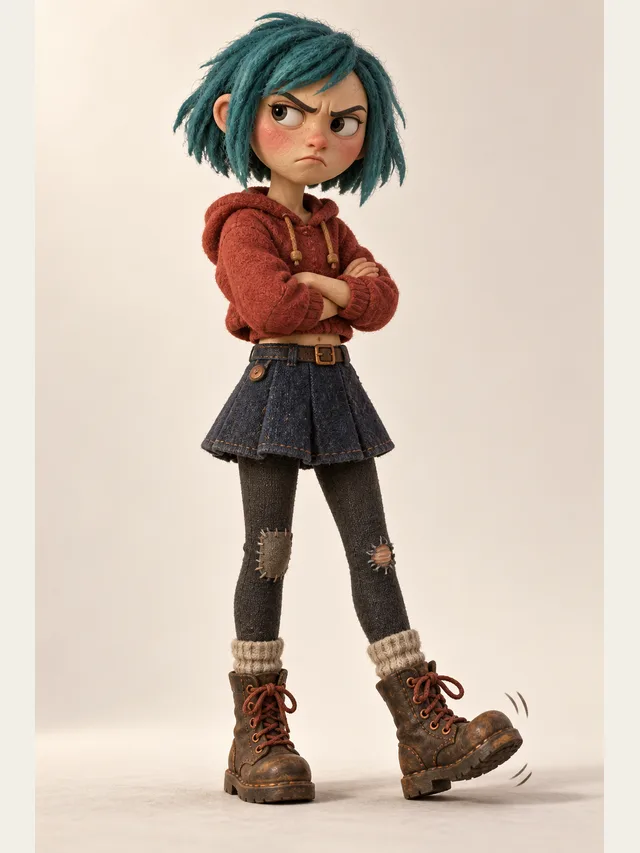
Cass
Seventeen and furious about it, in a good way
Esta página ainda não está disponível em português; exibindo a versão em inglês.
fr-FR · Français
All forty characters perform in French, behind twenty-three distinct voices — and they are not all Parisian. France, Québec, Belgium and Switzerland are all represented, which makes French one of the few languages here where you can let geography do characterisation. Twenty-three is also the ceiling: no two characters in one project get the same voice until those twenty-three are used up, and past that two of them share a throat.
Cass
Seventeen and furious about it, in a good way
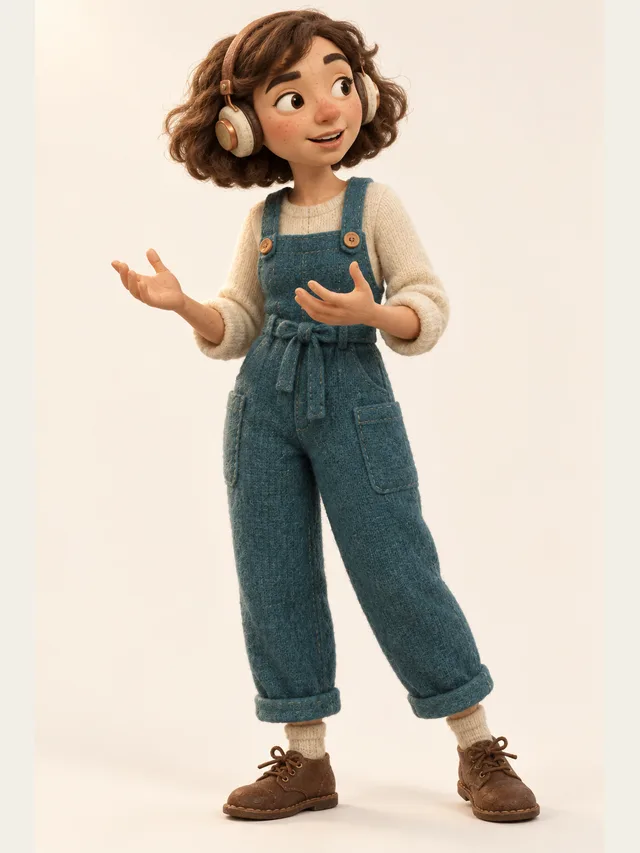
Juno
Podcast host who thinks out loud and never reads a script
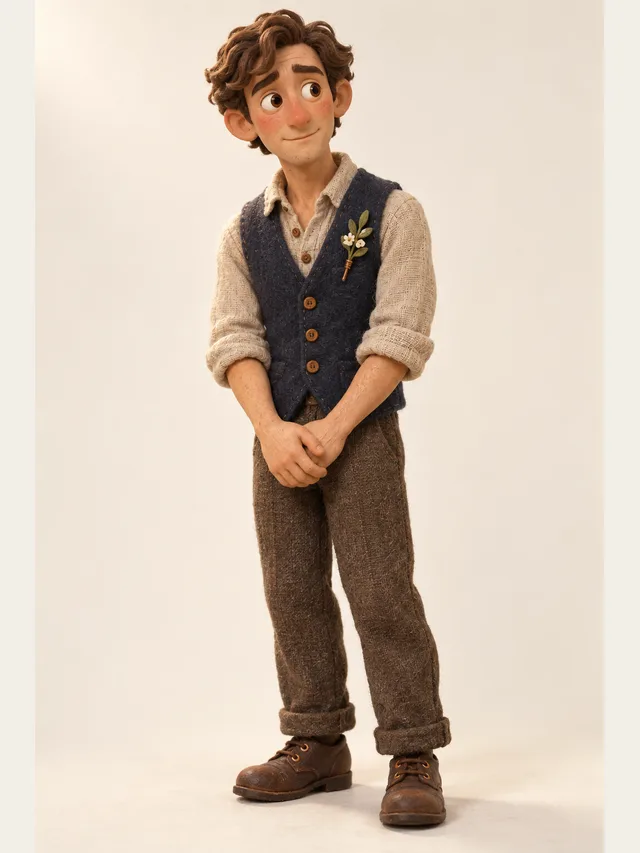
Ezra
Visual-novel love interest with a two-second pause before honesty
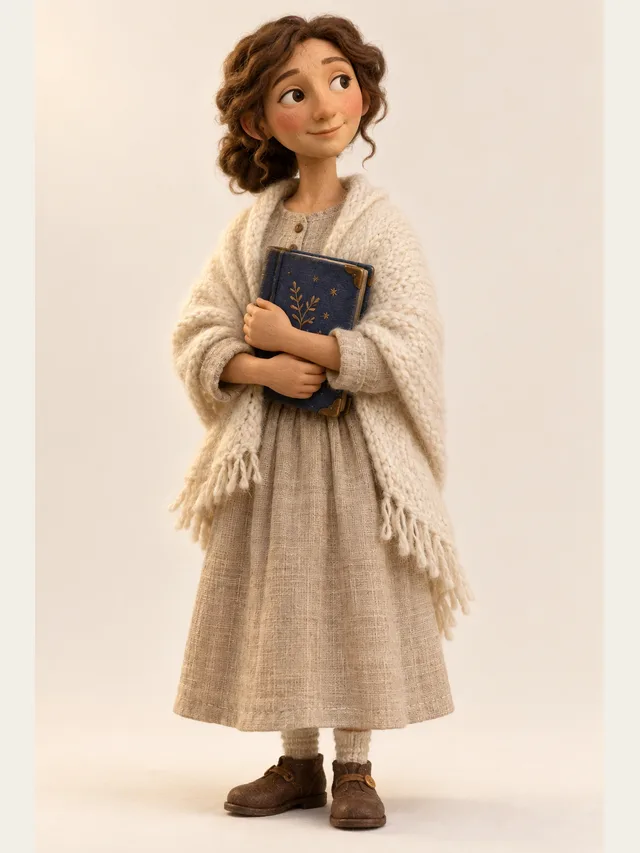
Wren
Bedtime-story narrator, slow and warm, never wakes anyone up
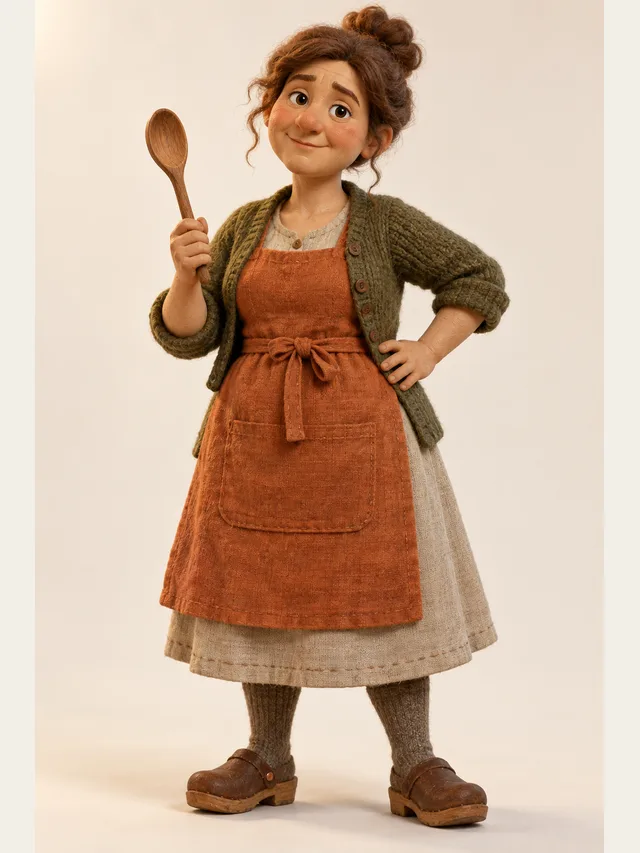
Hazel
Mum voice: patient, then suddenly not
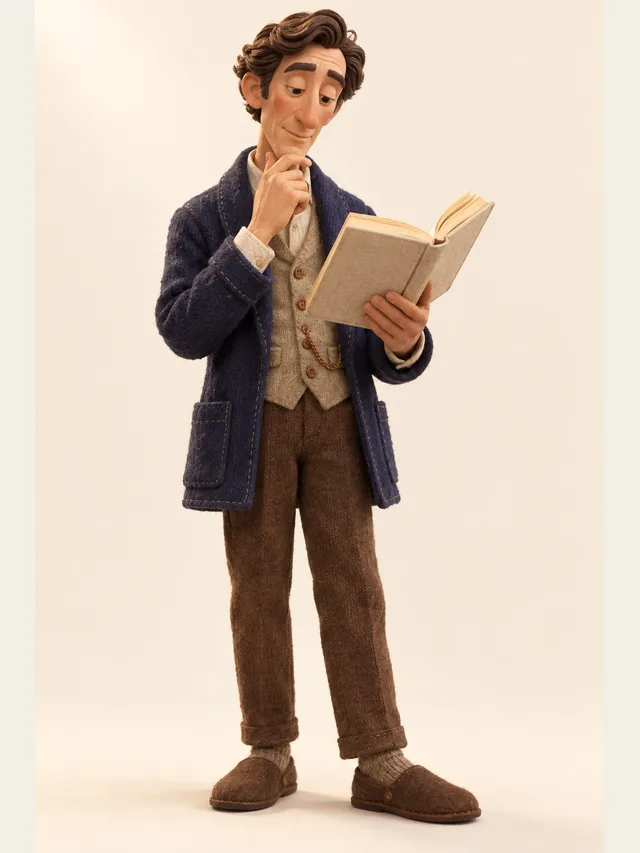
Dorian
Audiobook baritone for literary fiction and slow reveals
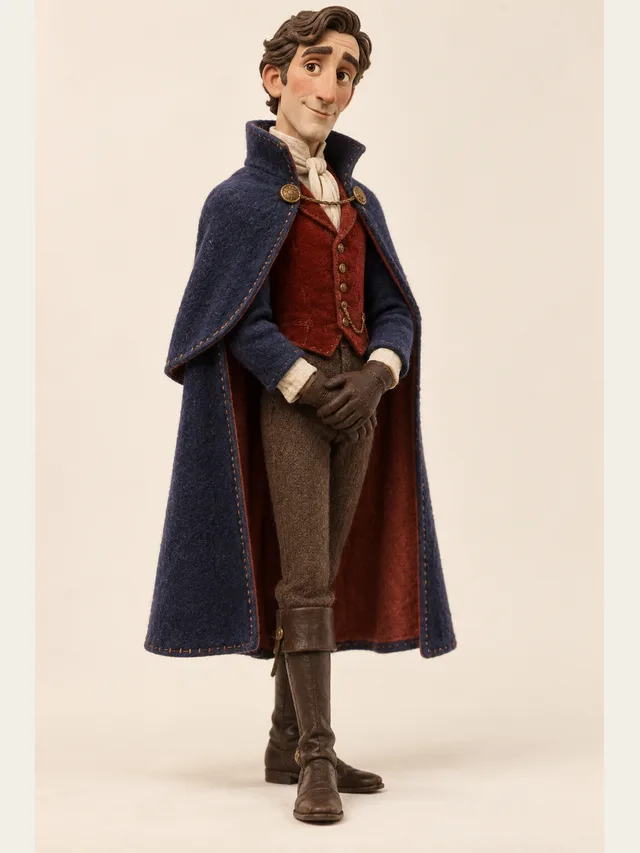
Ashford
Velvet-voiced villain who apologises before he ruins you
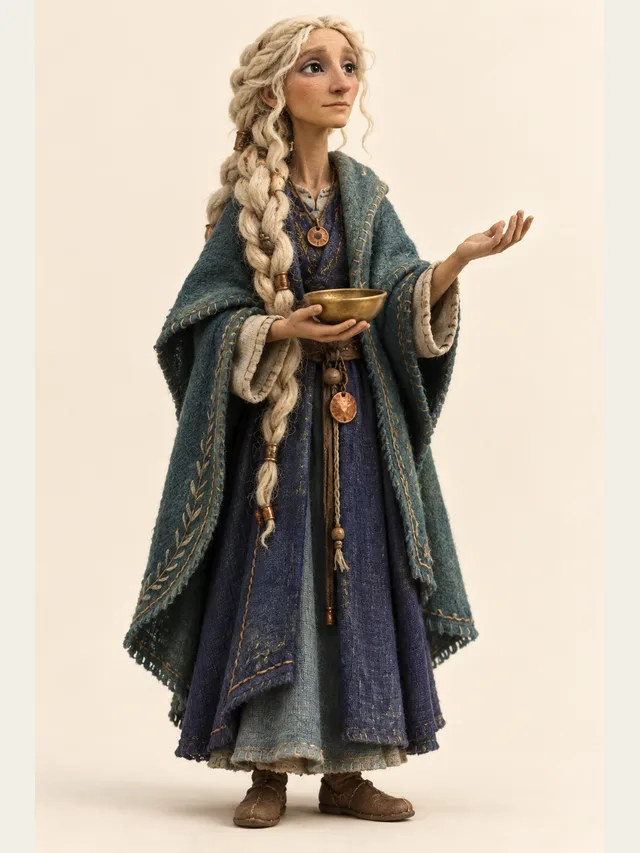
Delphi
Oracle who answers the question you should have asked
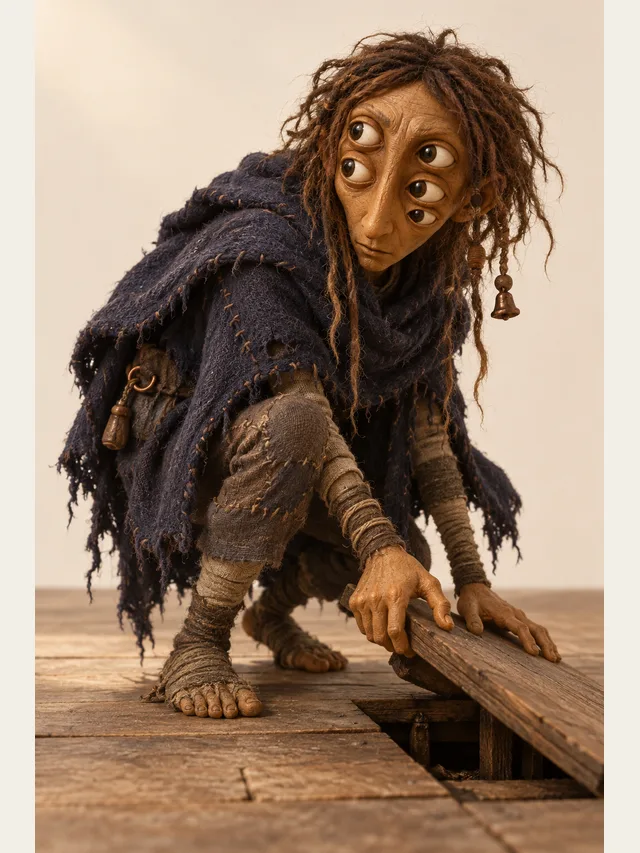
Morrow
Something under the floorboards that learned your name

Halcyon
Meditation-adjacent narrator for slow, quiet scenes
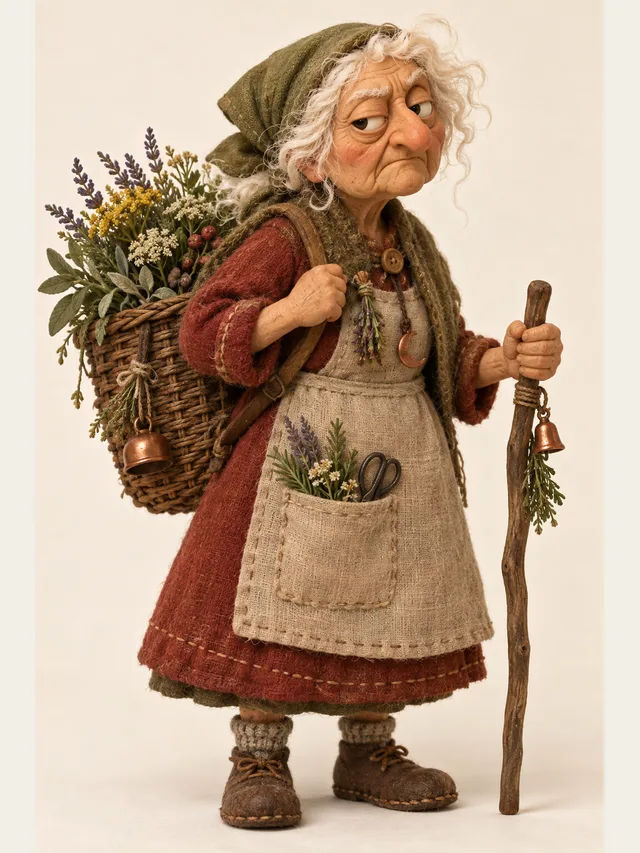
Mabel
Village witch, more herbs than hexes, very tired of adventurers
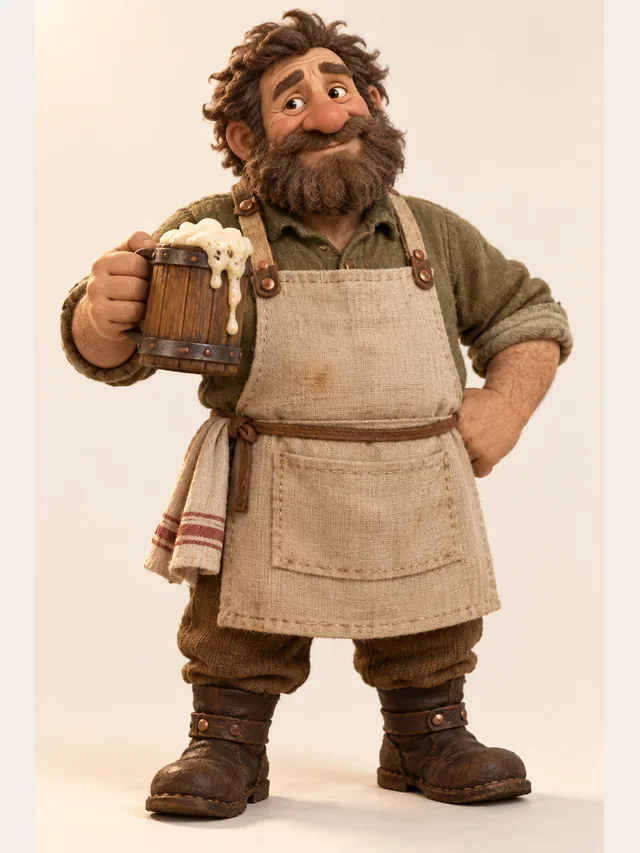
Bram
Tavern keeper and accidental quest giver
French joins its words together and the rules are not uniform. Some liaisons are obligatory — les amis with a linking z, un grand homme with a t where the d is written. Some are forbidden, and the forbidden ones are what catch synthetic speech out: et never links to what follows, and h aspiré blocks the link, which is why les héros and les zéros must not sound alike. The engine is reliable on the common cases and worth auditioning on anything ornate.
The same joining behaviour is why written French and spoken French diverge so much in plurals. Il parle and ils parlent are identical aloud; the number lives in the article, not the verb. When you are writing for the ear, that is a real constraint on what a sentence can carry, and it is a good reason to prefer short declaratives to the long relative clauses French prose enjoys.
Québécois French differs from Metropolitan French in vowels, in diphthongs that Metropolitan French does not have, and in a great deal of vocabulary. Belgian and Swiss voices are closer to Metropolitan but carry their own tells, the most quotable being the numbers: septante and nonante for seventy and ninety, where France says soixante-dix and quatre-vingt-dix. A character who counts is a character who has told you where they are from.
This is worth using rather than avoiding. There is no accent setting, but when auditioning turns up a Québécois voice for the Montréal cousin, keeping it costs you nothing and does work that pages of description cannot. It also means the reverse is a real risk: an unaudited cast can put a Québécois voice in a story set in Lyon without anyone noticing until a French listener does.
Worth knowing before you cast at all, however small the scene: the twenty-three are not all francophone voices. Thirteen are — five from France, four from Québec, two Belgian and two Swiss — and the other ten are multilingual voices whose first language is something else and which speak French competently rather than natively. Which group a character lands in is decided by its age and gender, not by how big your cast is: each character is matched into the part of the pitch range that suits its age band, and wherever the francophone voices are thin in that band a multilingual voice is the first choice rather than a fallback. Fifteen of the forty library characters start there in French. So audition per character — a two-hander meets a multilingual voice as readily as a twenty-strong ensemble does.
The move from vous to tu is the French relationship beat, and like every such device it lives in your script rather than in the casting layer. On ne va pas se vouvoyer is a scene. Keep the voice constant through it — the point is that the person has not changed, only the distance has.
French has no true children's voices. A child character goes to the highest-pitched adult voice of its gender — for Milo, the nine-year-old boy, that is an Italian multilingual voice; at best it reads as youthful rather than as a child, and direction does not close the gap. For children's storytelling in French, the workable adaptation is to write the young roles as teenagers and let a warm adult narrator carry the rest.
A project inherits its language from the CastDub interface you create it in and cannot be switched later, so change the site language before you open a new project.
France, Québec or deliberately mixed. It affects both your vocabulary and which voices belong in the cast.
One utterance per line. Prefer short declaratives — French plural marking is invisible to the ear, and long sentences lose the listener before the verb resolves.
Pick the sentence with the most liaison and the most elision in it, not the simplest one. If a voice survives that, it will survive the script.
Mixed file on any plan, SRT from Plus, one track per character on Pro.
Twenty-three. All forty characters perform in French; twenty-three distinct voices sit behind them, so a larger cast repeats. Thirteen of the twenty-three are francophone voices from France, Québec, Belgium and Switzerland; the other ten are multilingual voices that speak French as an additional language. Which one a character gets follows its age and gender rather than its place in the cast, so even a small scene can land on one.
Yes — Canadian French voices are in the same set as the Metropolitan ones. There is no separate switch, so the way to use them is to audition and keep the ones that sound right for your setting.
On ordinary prose, yes. The cases worth checking are h aspiré words and anything deliberately literary, where forbidden liaisons are most likely to appear.
No. A child character is performed by the highest-pitched adult voice of its gender, sometimes a multilingual one, so it is performed by an adult and sounds like one.
Cole um roteiro, deixe a CastDub dar uma voz a cada personagem e exporte um audiodrama pronto.
Criar de graçaSem cartão de crédito. O Free dá um bolo único de créditos.