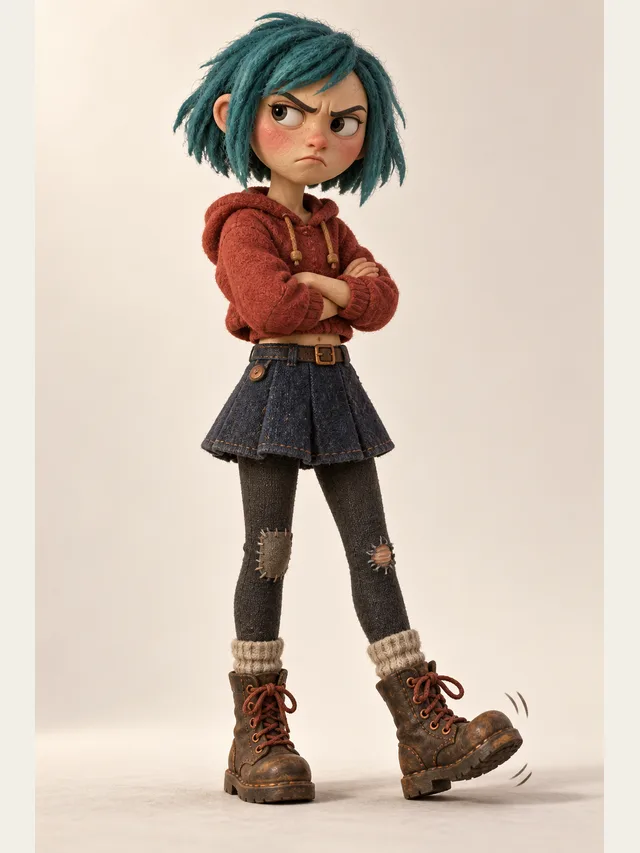
Cass
Seventeen and furious about it, in a good way
Esta página ainda não está disponível em português; exibindo a versão em inglês.
Fluxo
Vertical short drama runs on volume and speed — eighty episodes of ninety seconds, produced in weeks, distributed in several languages. The bottleneck is almost never shooting. It is getting the dialogue tracks made and kept consistent.
The lead's voice must be identical in episode one and episode eighty, filmed and dubbed weeks apart. Characters live inside a project, so that consistency comes from a cast sheet — the same library character and persona picked for the lead in every episode's project — and from listening to the lead's first line before each export.
Short-drama production schedules do not have room for booking sessions per episode. A rewritten scene can be re-dubbed the same afternoon, which is the only way the format's schedule works.
Because the captions come from the script rather than from transcription, they are correct and already synchronised. For a format distributed across platforms that each want their own caption file, that saves a genuine amount of work.
Short drama scenes are dialogue-dense with a rotating supporting cast. Adding a fifth speaking part costs nothing here, where in a recording workflow it costs a booking.
Cass
Seventeen and furious about it, in a good way
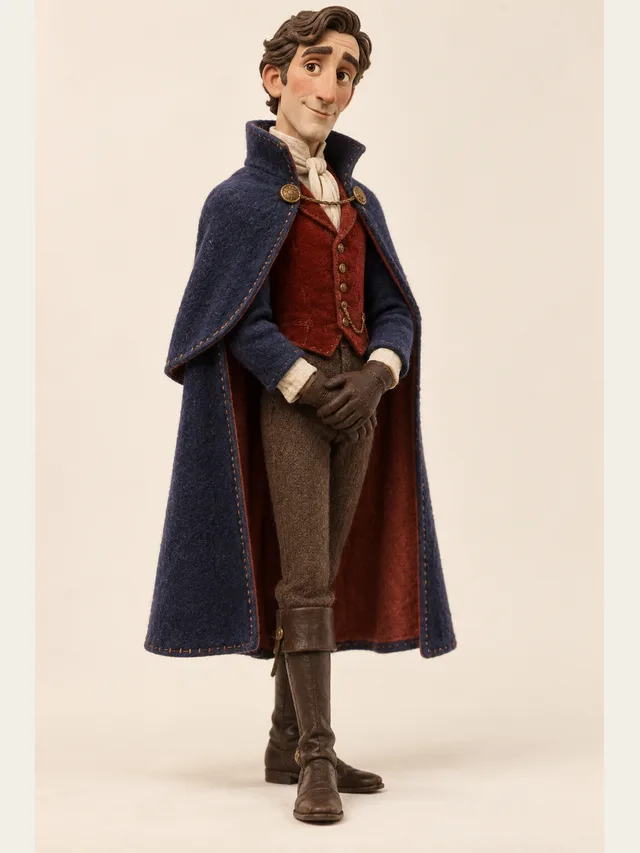
Ashford
Velvet-voiced villain who apologises before he ruins you
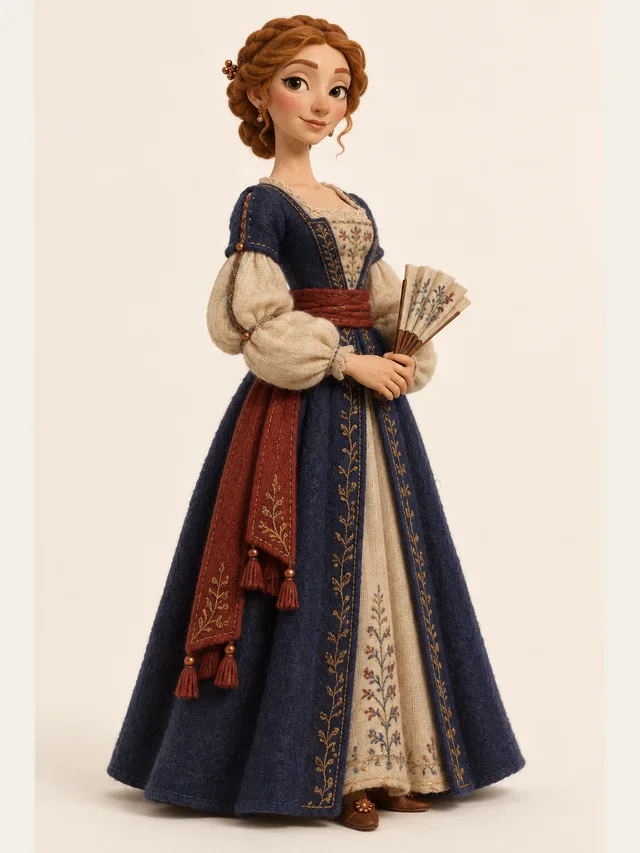
Seraphine
Court princess whose politeness is a weapon
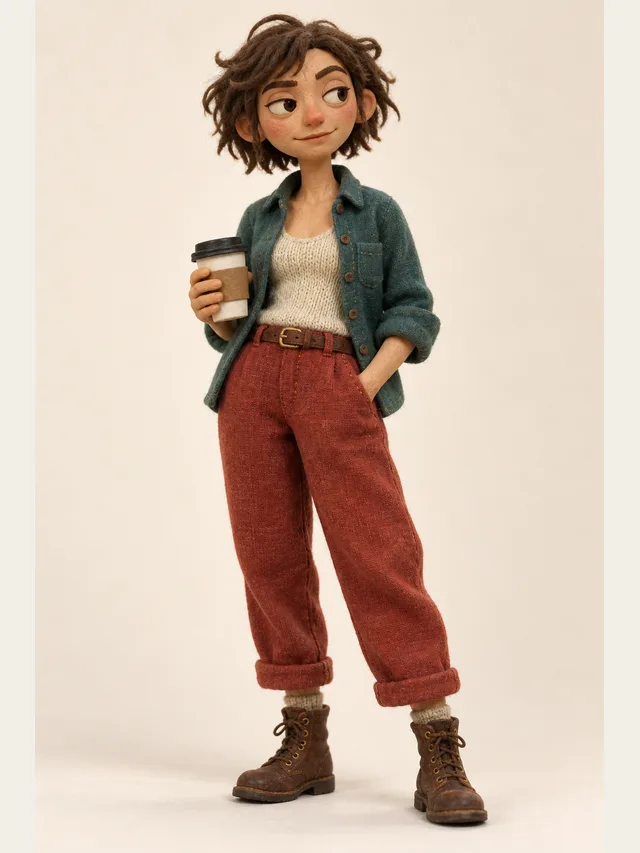
Tess
Australian lead with a flat, dry delivery
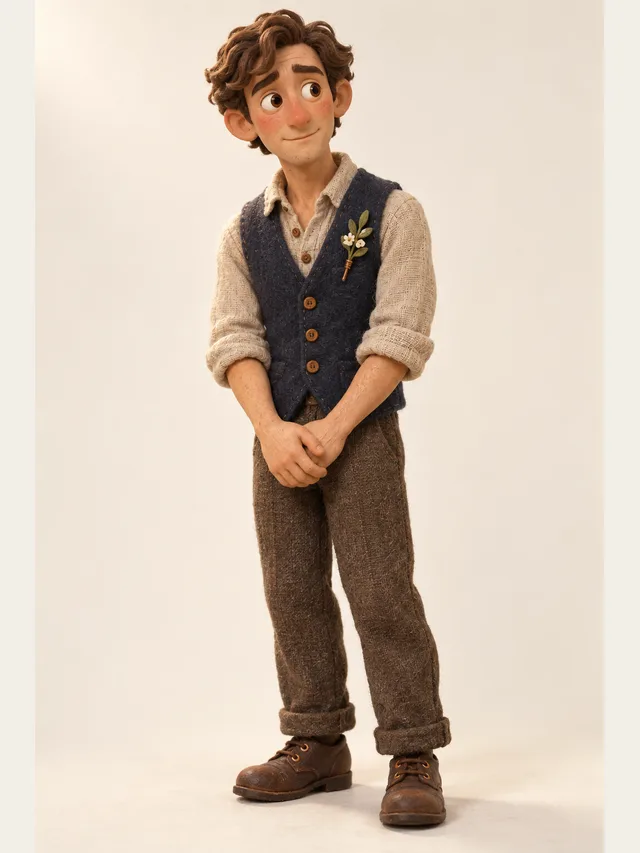
Ezra
Visual-novel love interest with a two-second pause before honesty
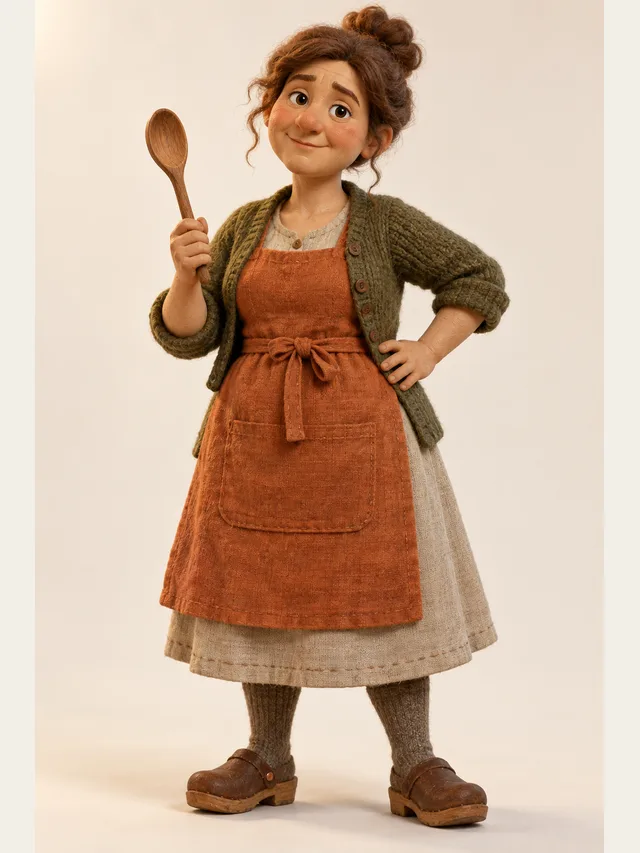
Hazel
Mum voice: patient, then suddenly not
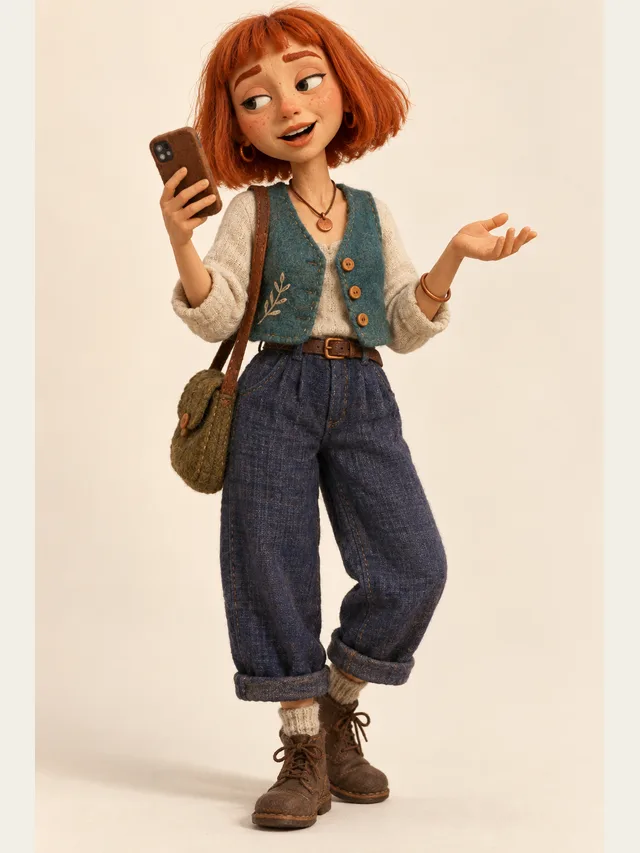
Indie
TikTok voiceover: fast, flat, faintly amused
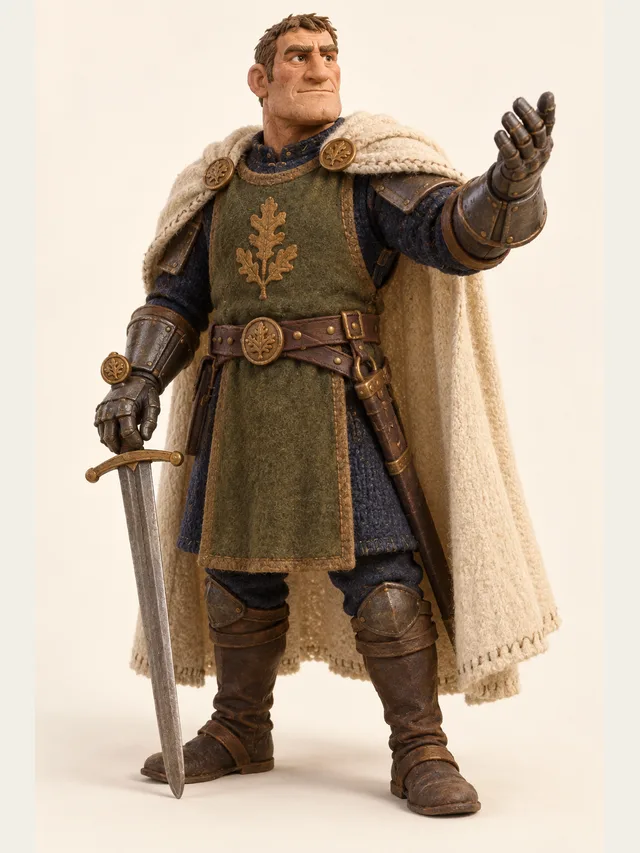
Torvald
Knight commander who gives orders that men actually follow
A project is one script, and every export counts the whole project — a series in one project would bill the full series each time one episode changes. Keep a cast sheet and pick the same library characters in each episode's project.
Two or three leads carry the series and deserve real auditioning. Supporting parts can be cast in seconds. Add the leads first in every episode, and listen to their first lines before export — a new project is not guaranteed to hand them the same voices.
After a picture change, edit the affected lines and regenerate only those; the rest of the episode keeps its audio, then export the episode again.
Short drama is cut fast. Raise the pace slightly above conversational with line-level speed on Plus and Pro, or shorten the lines, so the dialogue sits inside the shots.
On Pro. Dialogue must be mixed under music and effects; a pre-mixed track is unusable in a fast edit.
One SRT per episode, from the script, ready for every platform that asks for one.
Vertical short drama compresses a full melodramatic arc into episodes of sixty to one hundred and twenty seconds, released daily, across dozens or hundreds of episodes. The production model is closer to daytime serial television than to film: fast shooting, fixed sets, heavy reliance on dialogue to carry plot, and a schedule that assumes no step takes longer than a day.
That schedule is what breaks conventional post-production workflows. Booking a voice session per episode is impossible when episodes ship daily, and the format's international distribution means every series exists in several language tracks simultaneously.
In a series of eighty episodes, the audience hears the lead character more than any other element. Any change in that voice is instantly noticed and reads as a production failure, even when nothing else is wrong.
Recording workflows manage this by booking the same performer, which introduces availability risk. Here the risk is different: characters live inside a project, so each episode's cast is picked again. Pick it from a written cast sheet, add the leads in the same order every time, and listen to the lead's first line before export, because a new project is not guaranteed to land a character on the same voice. On a long series that one-minute check is worth more than the per-episode time saving.
The most common complaint about dubbed short drama is that the voices sound detached from the picture. Usually this is pace rather than performance. Short drama is cut fast, with lines landing tight against shot changes, and dialogue generated at conversational pace floats inside those shots.
Raising the pace slightly and shortening lines in the translated script fixes most of it. The second fix is mixing: dubbed dialogue that is too clean and too present sits on top of the picture rather than in it, and a small amount of room tone under it does more for believability than any amount of re-performance.
Two places. Translation and adaptation, which is a writing job requiring judgement about idiom and register that no pipeline should automate. And the emotional set pieces — the confrontation that the whole series has been building to — where a performance decision carries the scene.
A workable split for a commercial series: generate everything, then identify the five or six scenes across eighty episodes that actually matter and record those. It costs a fraction of full dubbing and protects the moments the audience is there for.
Short-drama production turns over people quickly — writers, editors and producers rotate between series, often mid-run. What survives the rotation is documentation, and a voice bible is the cheapest insurance a series can buy.
It needs very little: one page per recurring character with the library character they are played by, their persona, gender and age band, their resting emotional register, and the spelling you settled on for any name the engine misreads. Characters do not carry between projects, so anyone joining in week six builds each episode's cast from that page rather than making a fresh choice, listens to the lead's first line before export, and the lead stays the same in episode eighty as in episode one.
The failure this prevents is specific and common. A new editor, working fast, picks a voice that sounds right to them for a character they have not heard much of. It is not quite the same voice. Nobody notices during production and every viewer notices on release.
Producing an episode a day makes listening to everything impossible, so the checking has to be targeted. Three checks catch most problems: play the first fifteen seconds of every episode, because that is where drop-off happens; listen to every scene where a new character appears, because that is where casting mistakes hide; and spot-check any scene that was re-dubbed after a picture change, because that is where sync drifts.
Everything else can be sampled. The point is to spend your limited listening time where errors are both likely and expensive, rather than distributing it evenly and catching nothing.
Free
US$0 / mês
Ouça como fica o seu roteiro com elenco antes de pagar qualquer coisa.
Basic
US$5 / mês
Abra a biblioteca inteira e comece a levar o áudio pronto embora.
Plus
US$19 / mês
Dirija o ritmo: segure uma confissão, apresse uma discussão.
Pro
US$29 / mês
O plano de quem faz audiodrama: cada fala com sua emoção e sua própria faixa.
No. It generates dialogue at the pace you set; matching it to mouth movement is an editing job, and for material shot in another language it is approximate at best. Most short-drama localisation accepts loose sync because the format is consumed with subtitles anyway.
No. Translation is a separate step and should be done by someone who understands the register — short drama dialogue is idiomatic and machine translation of it reads badly. Bring the translated script and dub from that.
Nine: English, Mandarin, Japanese, Korean, Spanish, Portuguese, French, German and Russian, and every character performs in all of them. A project takes its language from the interface it is created in, so a second-language version is a second project, created in that language's interface, with the same library characters picked again. How many distinct voices sit behind the cast differs by language — the language pages give the exact figure — and subtitles, from Plus, cover the markets you are not dubbing for.
Give them the cast sheet — library character, persona, gender and age band for every recurring role — and have them build each episode's cast from it rather than choosing voices by ear. Characters do not carry between projects, so this is the single most important process rule for a long series, and it is worth writing into your production doc along with one more: listen to each lead's first line before exporting.
Pro. Unlimited cast members are needed from Plus up, but stem export — one track per character, which a series mix depends on — is Pro only. Eighty ninety-second episodes is around two hours of finished audio, comfortably inside Pro's five hundred minutes a month.
Yes, and some producers do for pickups and for characters whose actor is unavailable. Be aware that mixing recorded and generated dialogue for the same character in the same series is noticeable; keep it to separate characters.
Cole um roteiro, deixe a CastDub dar uma voz a cada personagem e exporte um audiodrama pronto.
Criar de graçaSem cartão de crédito. O Free dá um bolo único de créditos.