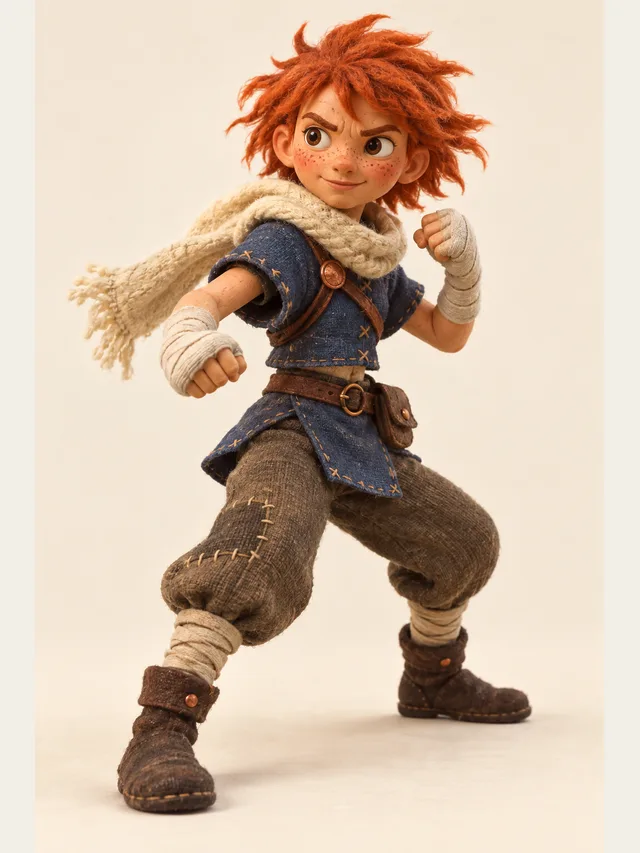
Aria
Bright shonen-anime lead who narrates her own fight scenes
Этой страницы пока нет на русском — показана английская версия.
ja-JP · 日本語
All forty characters speak Japanese. A character here is a persona rather than a recording, so Kestrel is still the weary swordswoman when the script is in Japanese. What is finite is the number of different throats behind them — fourteen in Japanese. Up to fourteen, no two characters in one project are handed the same voice; past fourteen, two of them start sharing one. We would rather you knew that before you cast than after you rendered.
Aria
Bright shonen-anime lead who narrates her own fight scenes
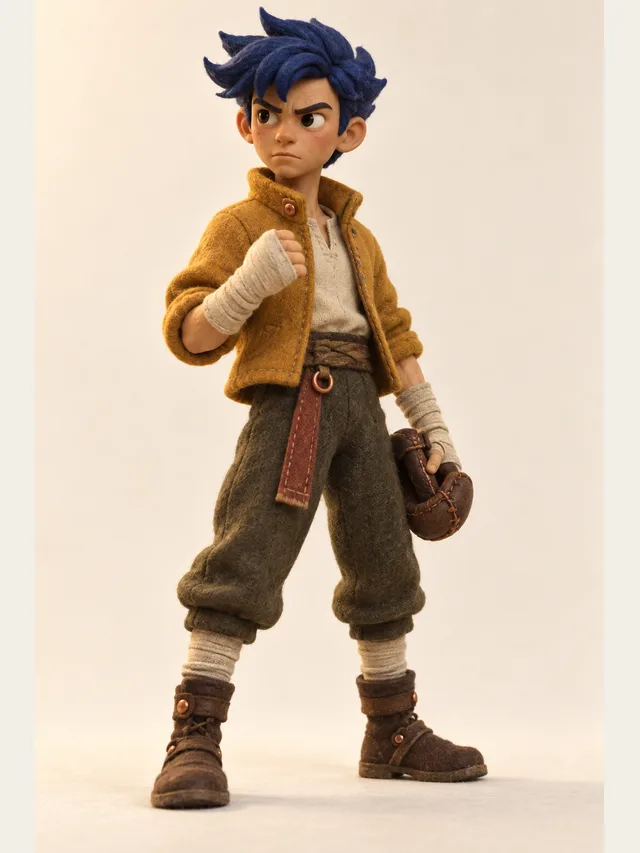
Koji
Rival character: clipped, competitive, secretly loyal
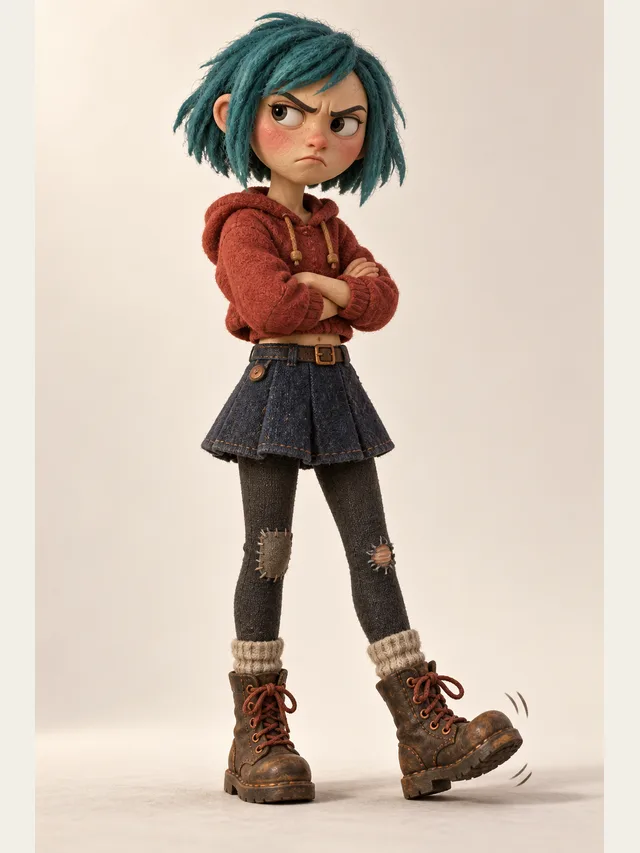
Cass
Seventeen and furious about it, in a good way
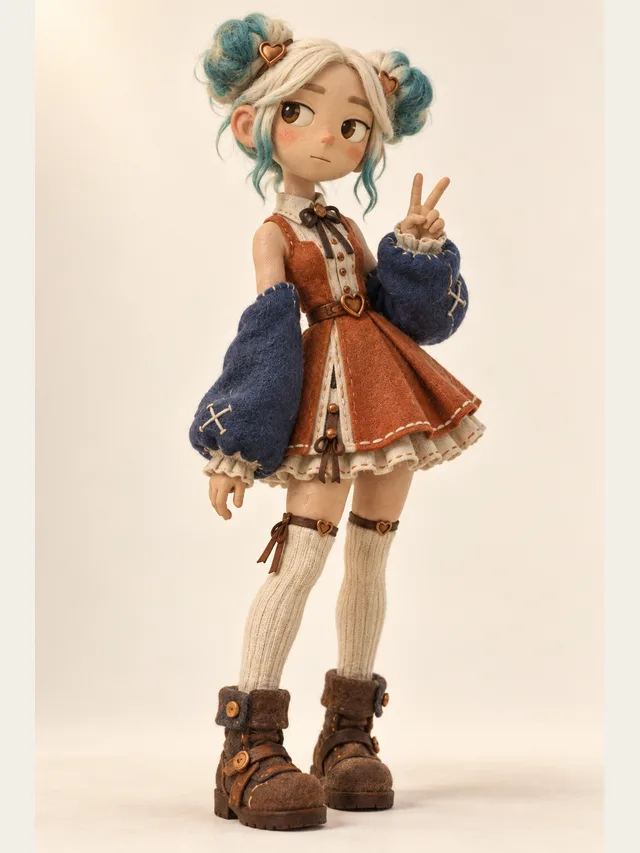
Lumen
VTuber persona: cute on top, deadpan underneath
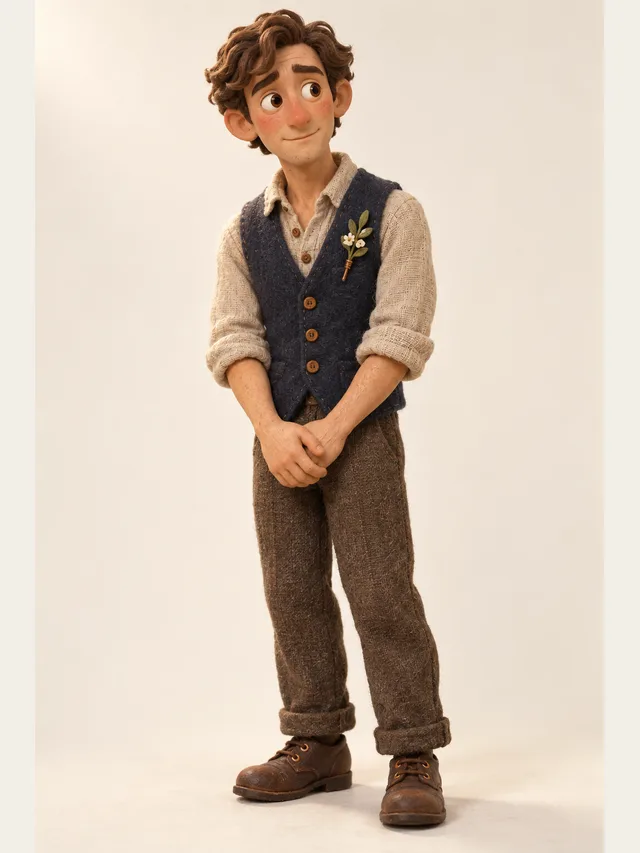
Ezra
Visual-novel love interest with a two-second pause before honesty
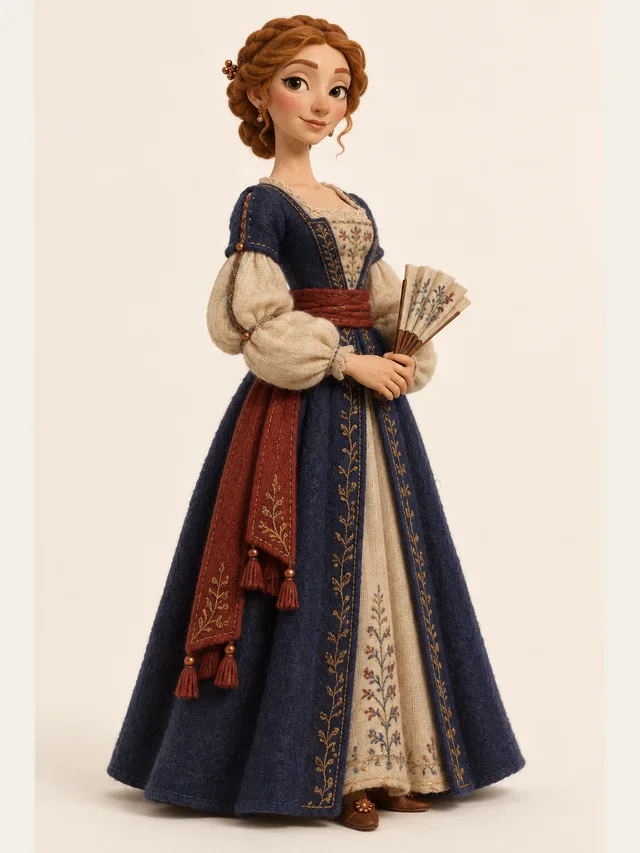
Seraphine
Court princess whose politeness is a weapon
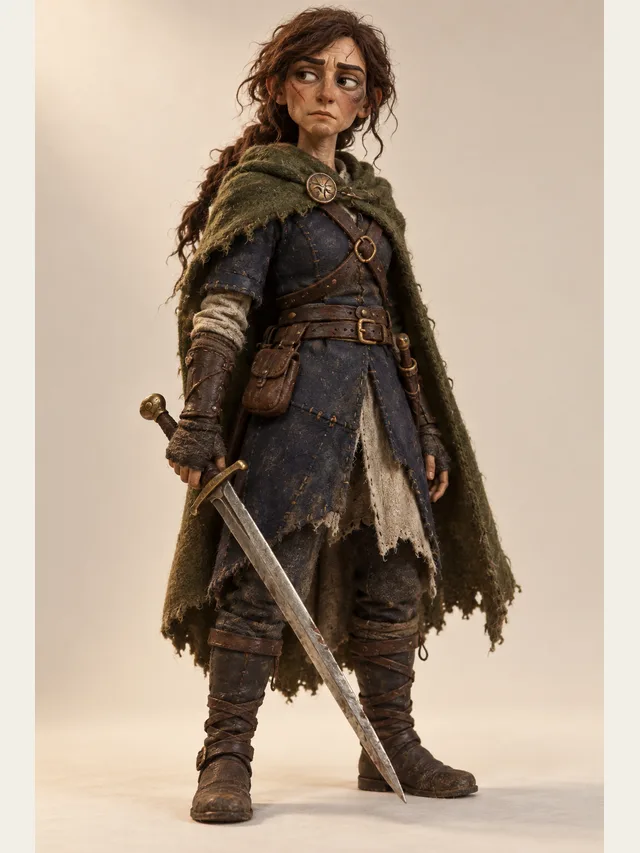
Kestrel
Low, weary swordswoman who has already lost this war once
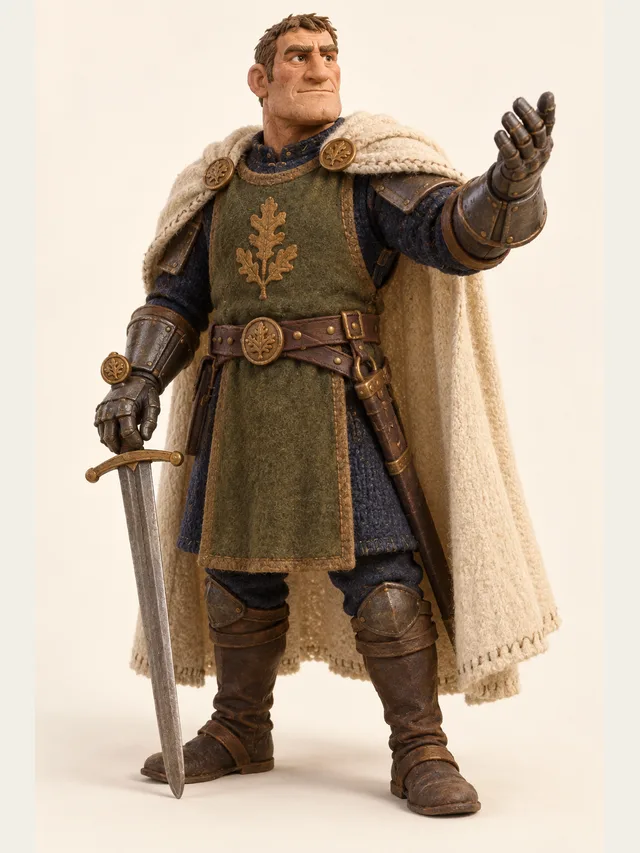
Torvald
Knight commander who gives orders that men actually follow
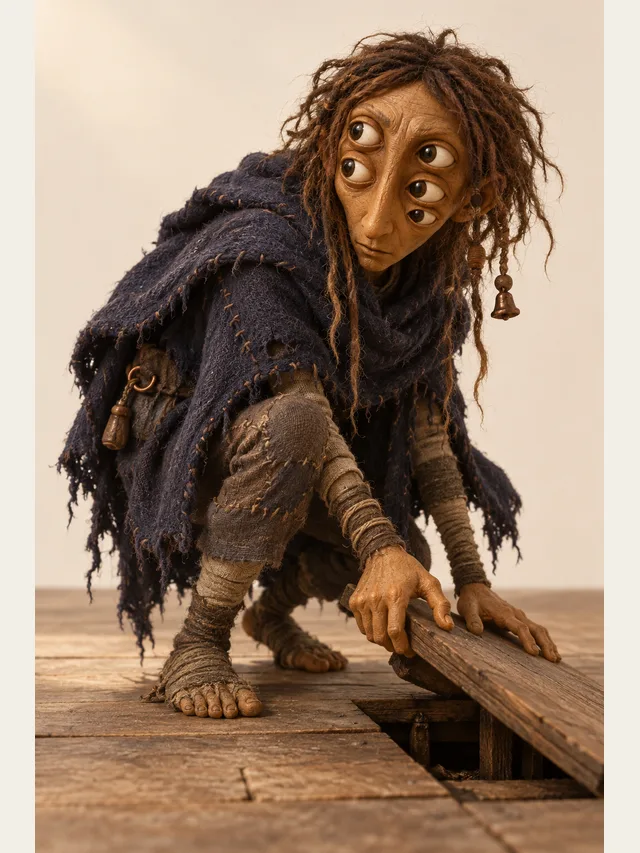
Morrow
Something under the floorboards that learned your name
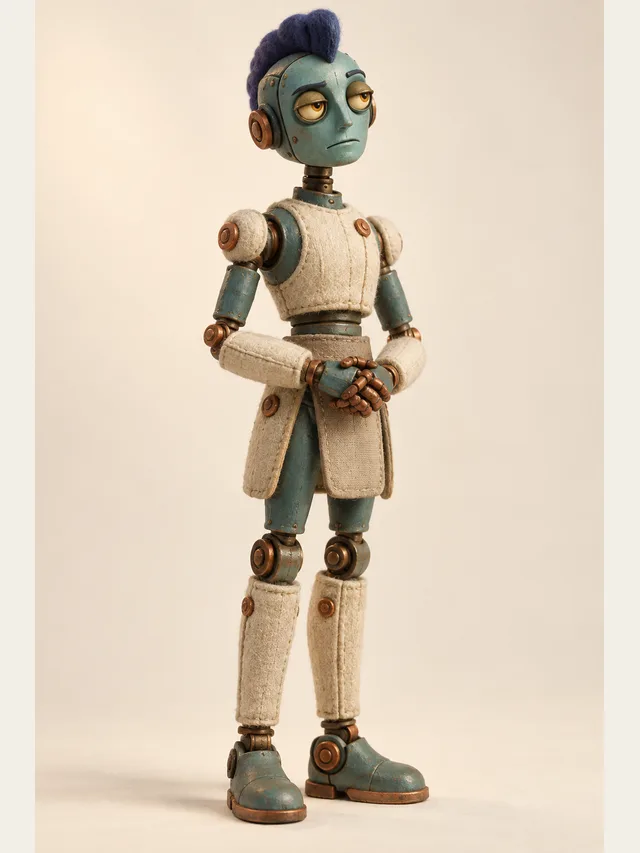
Nova
Ship AI that has read your file and is not impressed
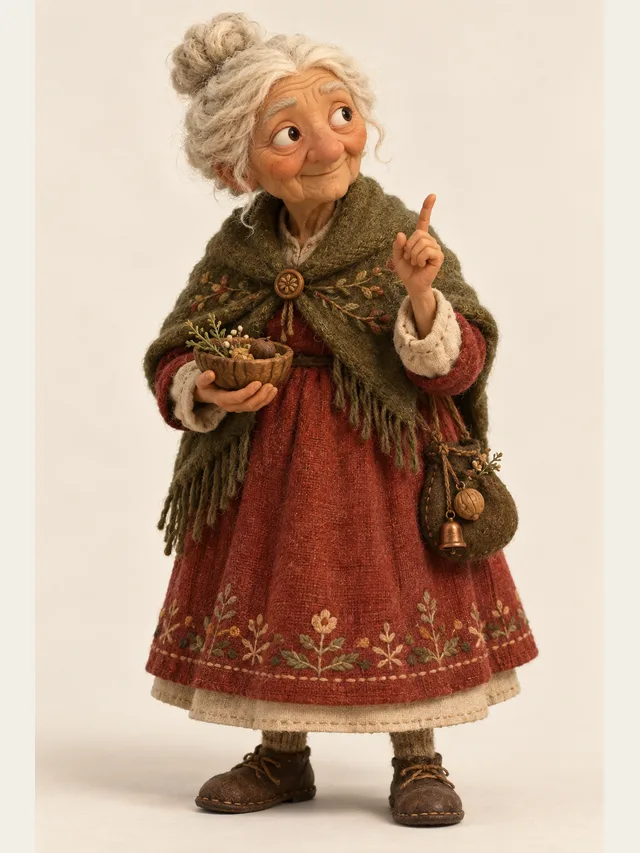
Gran Thea
Grandmother telling a folk tale she half believes
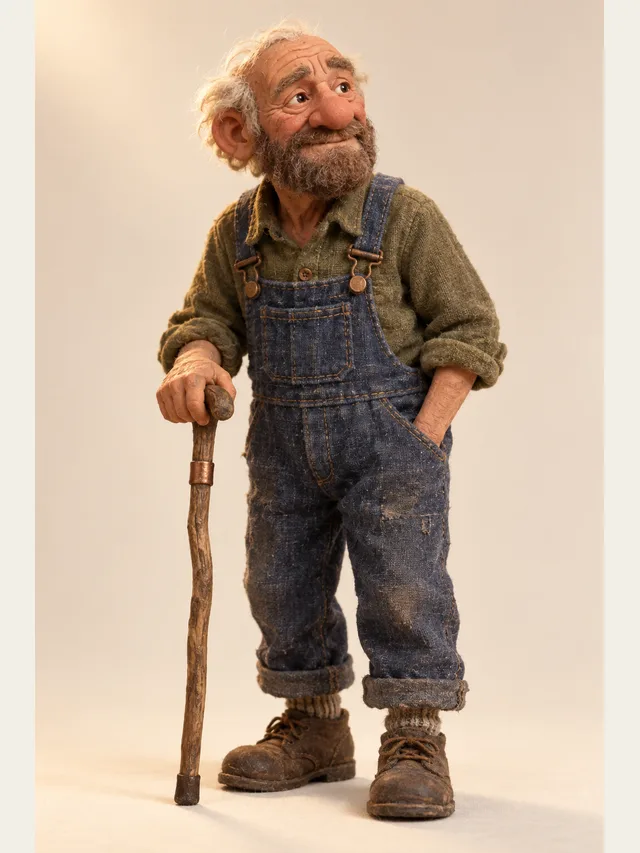
Orrin
Old man on a porch who remembers the flood
Pitch accent in Japanese is phonemic. 箸 and 橋 are the same two morae with the fall in a different place, and getting it wrong does not produce an accented reading, it produces a different word. For ordinary vocabulary the engine carries accent data and is dependable. Where it is not dependable is proper nouns, and fiction is mostly proper nouns.
Kanji readings make it worse: 東 is Azuma or Higashi or Tō depending on whose name it is, and an invented character name has no dictionary entry at all. There is no reading-override list, so the working method is to write the name in kana in the script wherever the engine gets it wrong. Kana is unambiguous, and it is one place where Japanese is easier to fix than Chinese. The cost shows up in the subtitles: the SRT export on Plus and Pro is built from your script text, so the name appears there in kana, and a subtitled release means changing it back in your editor.
です・ます and plain form are the same character speaking, and the shift between them is usually a story event — the moment two people stop being strangers is written in verb endings, not in tone of voice. It follows that the register lives in your script, and that you should keep the same voice across the shift. Recasting the character at the moment they drop keigo destroys exactly the beat you were building.
The same applies to the first-person pronouns. 私 / 僕 / 俺 / あたし tell a Japanese listener more about a character in one word than a paragraph of description would, and they are a writing decision that no voice setting can stand in for. Pick them before you cast, because a boku character and an ore character want different voices.
Fourteen distinct voices is enough for most drama-CD-shaped scripts, where the speaking cast in any one scene is rarely large even when the series cast is. It is not enough for a class-of-thirty ensemble scene. Basic caps a project at five cast members, so in practice the ceiling is something only Plus and Pro projects reach. Of those fourteen, two are natively Japanese voices and the other twelve are multilingual voices performing Japanese, and that is not something only a large cast runs into. Which voice a character lands on follows its gender and age band, not the size of your cast, and thirty-six of the forty library characters start on a multilingual voice in Japanese — so even a two-hander will almost certainly meet one. Decide who carries the lead with your ears rather than with the label.
The harder limit is age. Japanese has no true child voice. A child character is performed by the highest-pitched adult voice of its gender, and in Japanese that is usually a borrowed one — Milo, the library's nine-year-old boy, lands on an Italian multilingual voice. At best it reads as young rather than as a child, and no amount of direction closes that gap. For anime-shaped work, where child characters are routine, this is the constraint to plan around: write the young roles for teenagers, or keep them off-mic.
A project takes its language from the CastDub interface you created it in and keeps it for good, so switch the site to Japanese first. This is also what stops a Japanese script being read with Chinese readings of the kanji.
Screenplay, novel prose or Name: lines. One utterance per line makes the line-level controls useful later.
Audition every proper noun before anything else, and rewrite the stubborn ones in kana. Doing this after you have rendered an episode is the expensive order.
Decide who speaks in plain form to whom, then pick library characters whose voices fit those relationships rather than fitting the character description alone.
Mixed file on any plan, SRT subtitles from Plus, one track per character on Pro.
Fourteen. All forty characters are available and every one of them performs in Japanese, but they are carried by fourteen distinct voices, so a cast larger than fourteen will contain repeats.
No. A child character is performed by the highest-pitched adult voice of its gender, often a multilingual one borrowed from another language. It can read as young; it does not read as a nine-year-old. Milo and Pip are carried by real children's voices in English and by adult voices here, and no amount of direction closes that gap.
Often not, and there is no override list. Write the reading in kana in your script — it is unambiguous and the listener hears the right name. The one place it shows is the SRT subtitles, which follow your script text and will carry the kana.
A project has one language, fixed when you create it, because the language is what decides how each character is performed. A bilingual script is two projects and two exports, assembled in your editor.
Вставьте сценарий, дайте CastDub подобрать голос каждому персонажу и экспортируйте готовый аудиоспектакль.
Создать бесплатноКарта не нужна. Free даёт разовый запас кредитов.