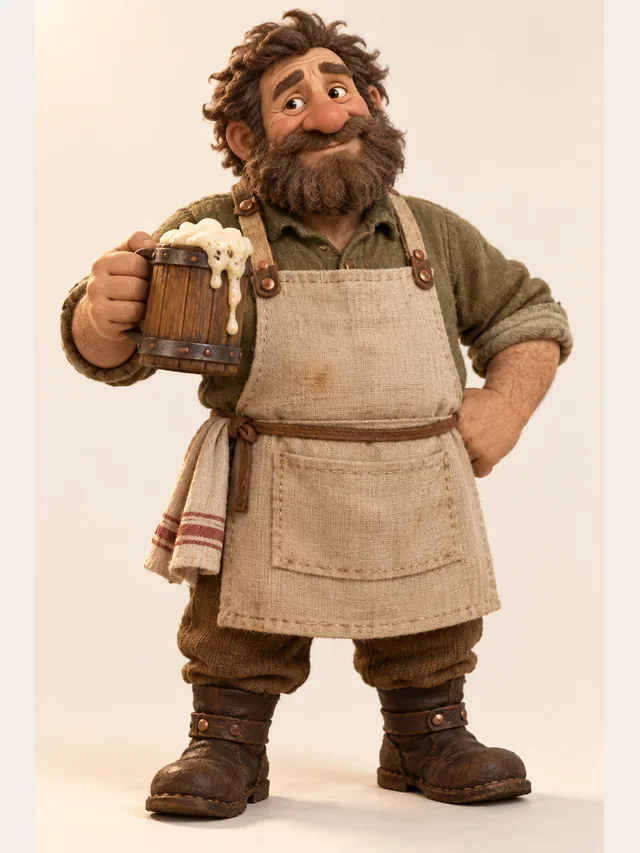
Bram
Tavern keeper and accidental quest giver
Этой страницы пока нет на русском — показана английская версия.
Процесс
A campaign generates more story than anyone has time to capture. Prepared NPC lines make sessions better; dramatised recaps keep players in the world between them; and the best scenes deserve to exist as audio rather than as a memory.
A villain's speech, a prophecy, a god speaking — the moments you wrote in advance are the ones that benefit from a prepared voice. Everything improvised stays yours, and should.
Players remember the blacksmith because he sounds like the blacksmith. Over a two-year campaign, a written note of which library character plays each NPC — picked again in every session's project and checked by ear — is the difference between a world and a series of scenes.
A five-minute dramatised recap between sessions does more for engagement than any written summary, and it is the single highest-value thing a busy dungeon master can produce with this.
The scenes your table still talks about can become a proper audio drama — cast, directed and mixed — rather than a recording of four people and a dog barking.
Bram
Tavern keeper and accidental quest giver
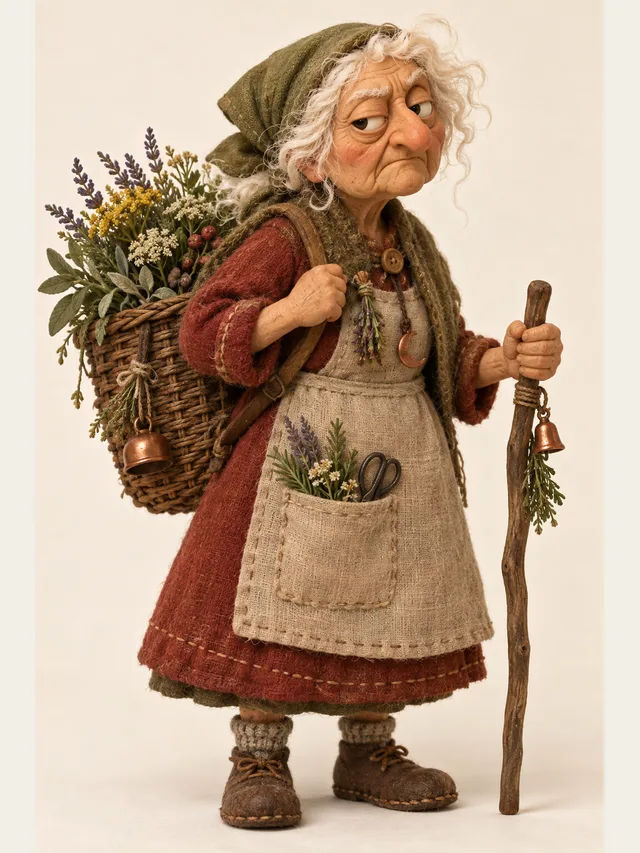
Mabel
Village witch, more herbs than hexes, very tired of adventurers
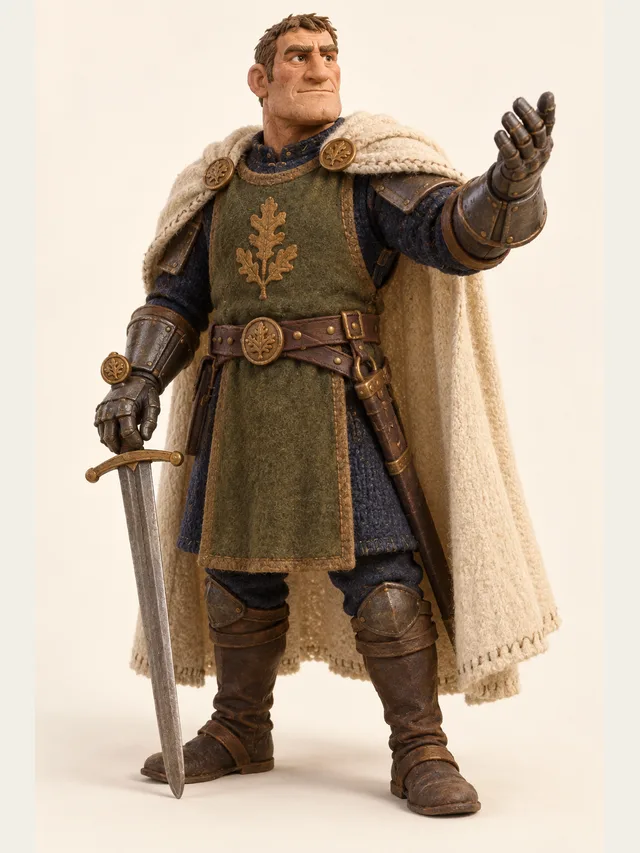
Torvald
Knight commander who gives orders that men actually follow
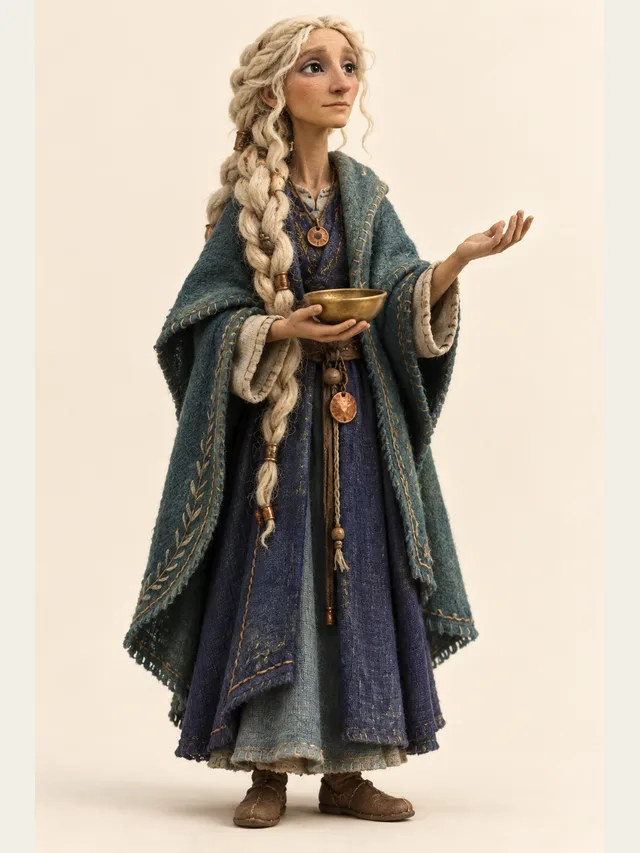
Delphi
Oracle who answers the question you should have asked
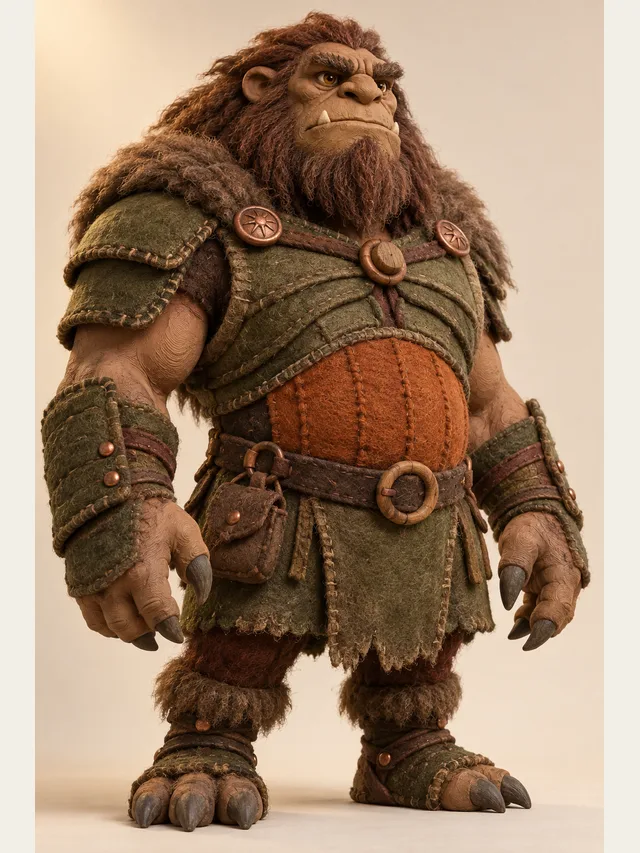
Grit
Monster with a chest cavity the size of a bus
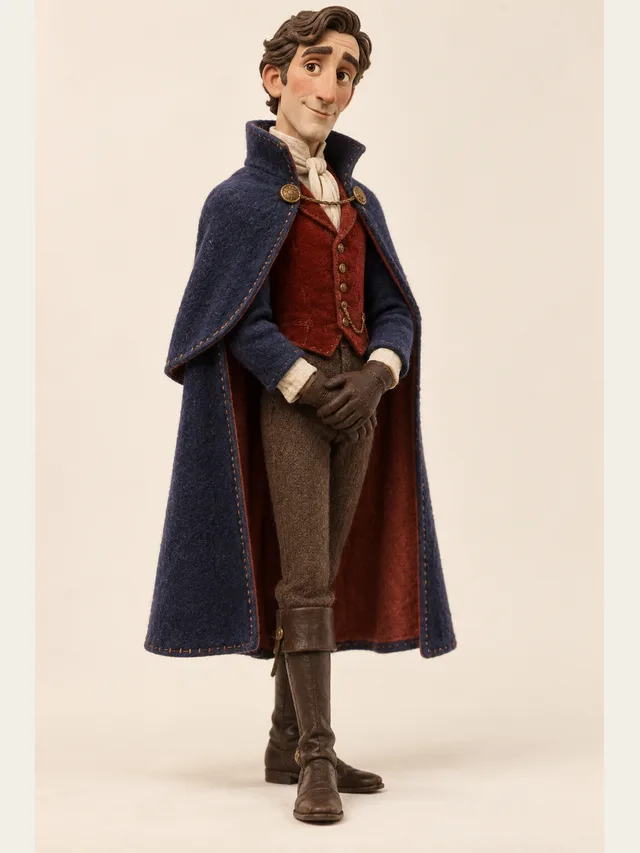
Ashford
Velvet-voiced villain who apologises before he ruins you
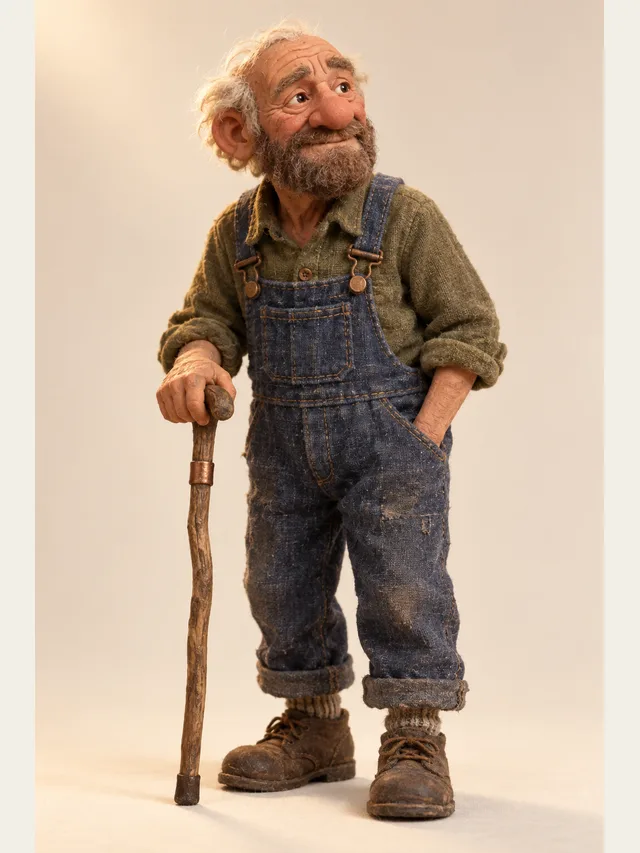
Orrin
Old man on a porch who remembers the flood
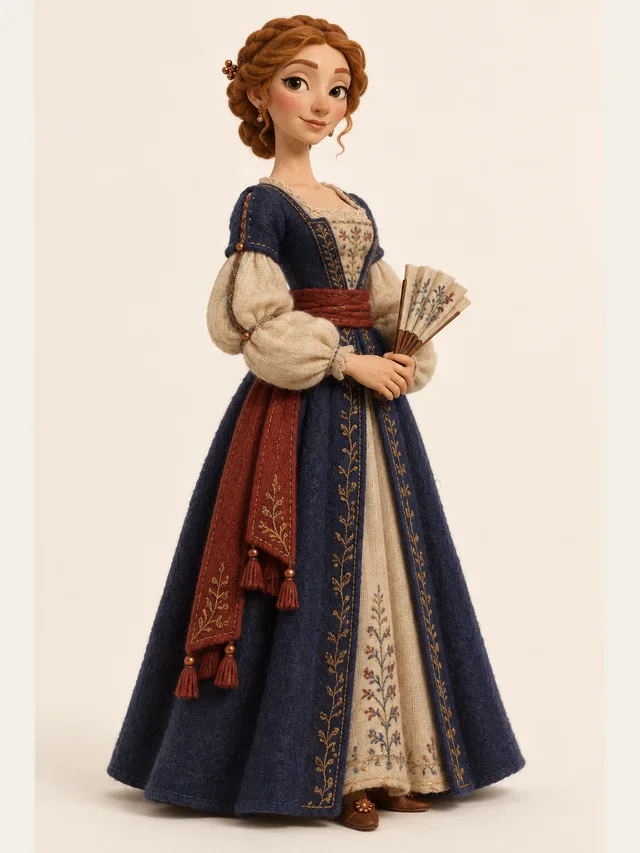
Seraphine
Court princess whose politeness is a weapon
Recurring characters and the session's set pieces. One-off guards do not need preparation.
Quest hooks, greetings, the villain's monologue. Improvisation is still your job and should be.
Three to five genuinely distinct voices beats twenty similar ones. Characters stay inside a project, so keep a list of which library character plays each NPC and pick the same one every session — then listen, since a new project is not guaranteed the same voice.
Generate ahead of time and keep the audio organised by NPC — a small project per NPC or per set piece gives you one file for each. Fumbling with a tool at the table costs more than a bad voice ever does.
A four-hour session becomes five minutes. The editing is the craft; the rendering is the easy part.
Post the recap where your players already talk. It is the cheapest engagement tool a campaign has.
Running a tabletop campaign is mostly improvisation supported by a small amount of preparation, and the preparation is where quality compounds. A prepared villain speech is remembered for months; an improvised one is fine and forgotten. The same is true of voices — the dungeon master who has two or three consistent NPC voices is remembered as good at voices, regardless of range.
Generated audio extends preparation rather than replacing performance. It is the equivalent of printing a battle map or writing a handout: something made before the session that makes the session better, with no effect on how you run the table.
The gap between sessions is where campaigns lose momentum. Two weeks pass, people forget what happened, and the first hour of the next session is reconstruction. Written recaps help and are rarely read; audio recaps are listened to, because they fit into a commute.
A five-minute dramatised recap — narration over the key beats, with NPC lines in their own voices — is the highest-return thing on this page. It takes perhaps forty minutes to write and render, and it changes how a campaign feels between sessions. Keep it tight: the temptation to include everything is what makes recaps unlistenable.
Actual-play audio is a large and growing format, but recordings of real sessions are hard listening — four hours, crosstalk, dice, long rules discussions. The productions that find audiences are heavily edited or scripted after the fact.
Adapting is more work than recording and produces something an order of magnitude better. Take the scenes that mattered, rewrite them as a script, cast the players' characters and the NPCs, and render twenty minutes. The result is an audio drama drawn from your campaign, which is a thing people will actually listen to.
One caution worth stating. The value of a tabletop game is that people are in a room making things up together. Anything that adds a screen between the dungeon master and the players costs more than it gives, however good it sounds.
The right place for this is before and after the session — never during, except for a prepared moment you press play on. The best campaigns using it are indistinguishable at the table from campaigns that are not, which is exactly the point.
If you intend to make anything from your campaign later, record the sessions — but record them knowing that raw session audio is nearly unusable. Crosstalk, dice, rules arguments and four hours of runtime make for a recording that only the people present will ever listen to.
What the recording is genuinely good for is reference. Six weeks later, when you are writing a recap or adapting a scene, having the actual words people said is worth far more than your memory of them. Treat it as notes rather than as content, and the value becomes obvious.
A single microphone in the middle of the table is enough for that purpose. Do not buy equipment for this until you have actually produced something twice.
Adaptation, not editing, is what turns a session into audio anyone will hear. That means writing a script from what happened: choosing the two or three scenes that mattered, compressing the rest into narration, and giving the characters lines rather than transcribing what the players actually said.
Twenty minutes of adapted audio from a four-hour session is a good ratio. It respects the listener, it fits inside a sensible plan allowance, and it produces something a player can share with someone who has never played the game — which is the real test of whether an actual-play adaptation worked.
The one thing to preserve exactly is the funny bit everyone quotes. Those survive adaptation and they are why anyone listens.
Free
US$0 / мес.
Послушайте, как звучит ваш сценарий с распределёнными ролями, ещё ничего не заплатив.
Basic
US$5 / мес.
Откройте всю библиотеку голосов и начните забирать готовое аудио.
Plus
US$19 / мес.
Темп в ваших руках: признание — медленнее, ссору — быстрее.
Pro
US$29 / мес.
Тариф для аудиоспектакля: у каждой реплики своя эмоция, у каждого персонажа своя дорожка.
For prepared set pieces, yes — it works well and players enjoy it. For anything responsive, no. The pause while you type breaks the scene far more than an imperfect voice does, and momentum matters more than polish in a live game.
Less than you want to. Three to five recurring NPC voices and one set piece per session is about the ceiling for sustainable prep. Preparing more usually means preparing worse.
You can, but a four-hour session is more audio than Plus covers in a month, half of Pro's allowance in one go, and more than anyone will listen to. Adapt the highlights — twenty minutes of the best scenes, rewritten as a script, is genuinely listenable where a transcript is not.
Nothing here is D&D-specific. Any tabletop game with prepared non-player characters benefits identically, and horror and investigation systems arguably benefit more because atmosphere carries more of the play.
Yes, and it is a nice touch for a player who wants their character to have a voice for recaps or for a character introduction. It is also a good use of the free plan.
Basic. Free's five minutes are a one-time trial pot, not a weekly or monthly allowance, so it will cover a session or two of prepared lines and then stop. Basic's sixty minutes a month is the realistic floor for a weekly game — a five-minute recap every week is already about twenty minutes a month before any NPC lines.
Вставьте сценарий, дайте CastDub подобрать голос каждому персонажу и экспортируйте готовый аудиоспектакль.
Создать бесплатноКарта не нужна. Free даёт разовый запас кредитов.