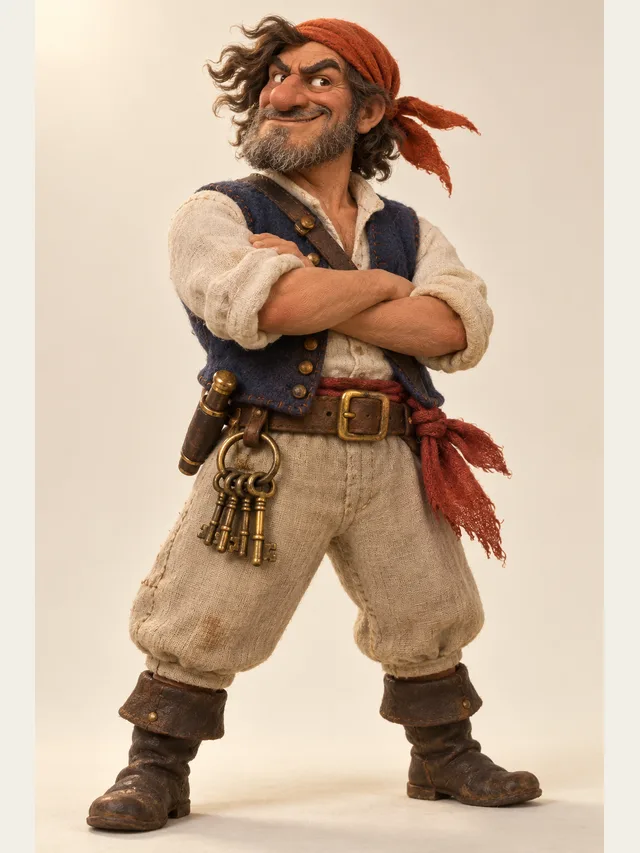
Rook
Quartermaster with salt in the throat and jokes in the threat
Voice category
Pirate voices split into two kinds: the comic convention everyone can imitate, and the genuinely dangerous sailor. Both are useful; casting the wrong one for your script is the usual mistake, and it is very hard to hear until the scene is finished.
Rook
Quartermaster with salt in the throat and jokes in the threat
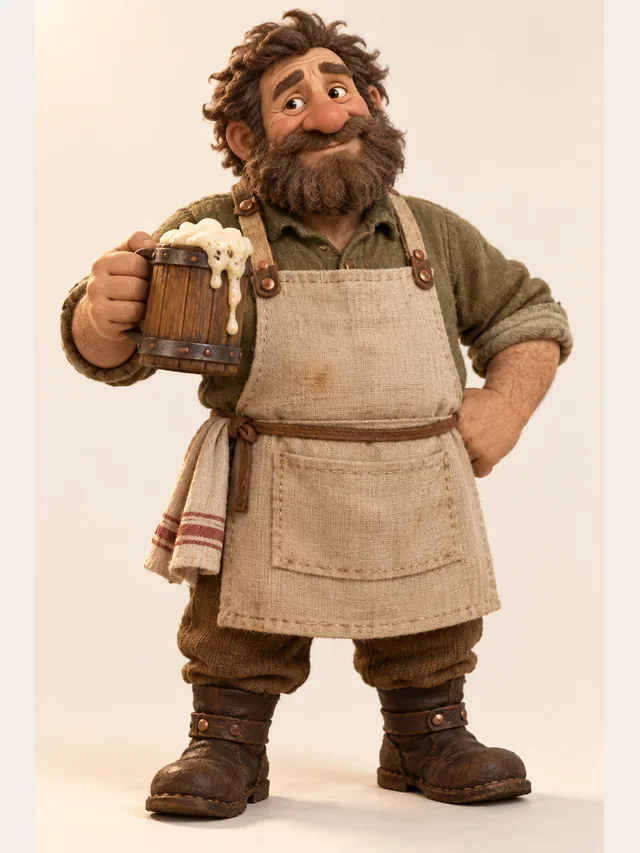
Bram
Retired, mostly, and happier ashore
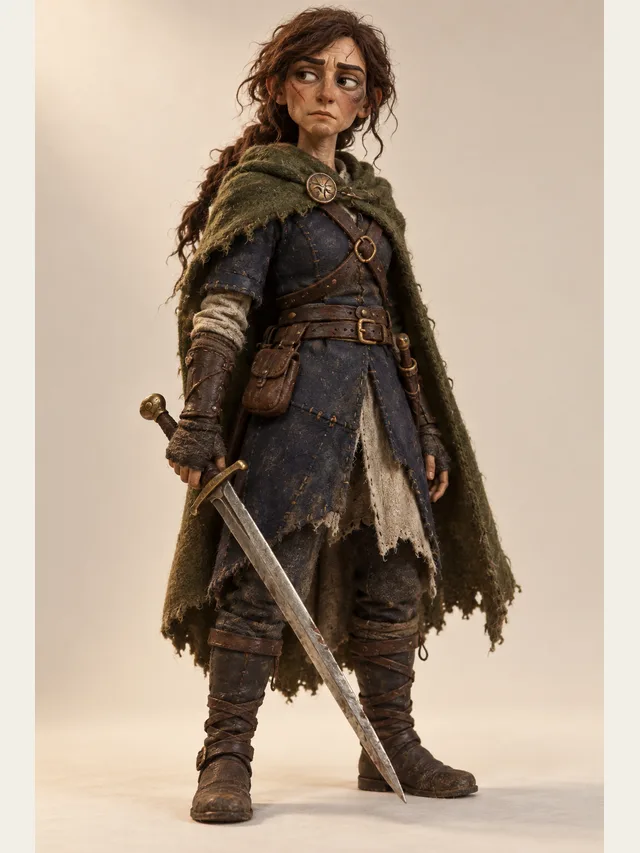
Kestrel
The captain who does not need to raise her voice
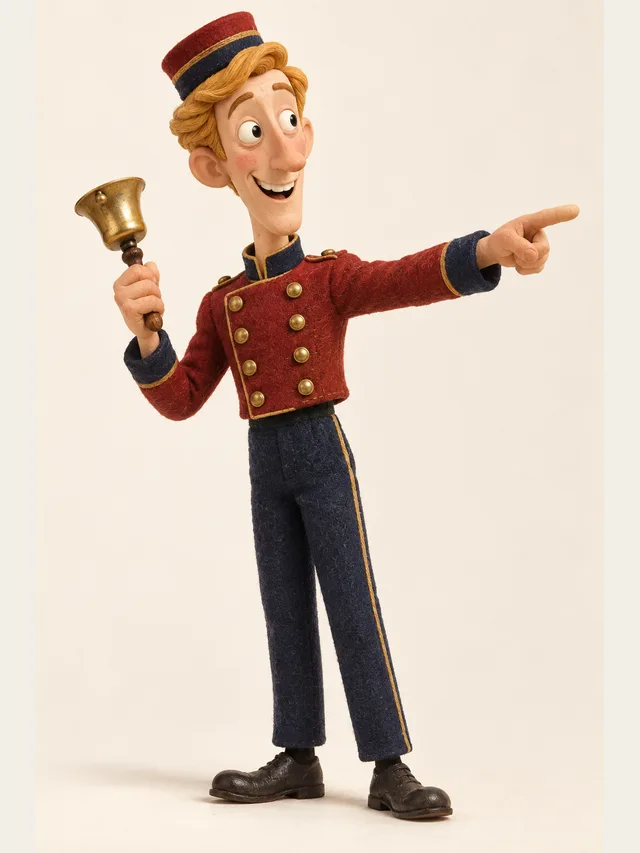
Bellhop
The crew member nobody trusts with anything
Every voice is available on every plan — the library is not a paywall.
The pirate voice everyone can do is a specific and fairly recent invention: a growling, rolling, exclamatory register that came out of twentieth-century screen performance and then became the sound of the whole profession. It is enormously useful. It is instantly legible to an audience of any age, it carries comedy without any setup, and children's audio in particular runs on it.
The other pirate is a working criminal at sea — economical, tired, unsentimental, and frightening precisely because there is no theatre in it. This version speaks in short instructions, does not explain itself twice, and treats violence as an administrative matter. It is the better choice for adventure fiction aimed at adults, and it is almost never what a tool produces when you type the word pirate into it.
You have to choose. The two registers use different vocabulary, different sentence lengths and different casting, and a script that drifts between them leaves the listener unsure whether to be amused or worried. Decide in advance, write the whole scene in that mode, and if you are genuinely unsure, render both — regenerating a scene costs you generation capacity, not download credits.
The most common mistake in this genre is writing dialogue phonetically to force an accent: dropped letters, apostrophes everywhere, vowels respelled. It does not work. There is no accent control to trigger, so all a renderer sees is unusual spelling, and unusual spelling is exactly the input it guesses wrong. You get a mispronounced line, not an accented one.
What does work is choosing a character whose delivery is already close and then carrying the rest through word choice and rhythm. Contractions, fragments, an instruction where a question would be more polite — that is the sound of a working sailor, and it survives being read in any accent at all.
It is worth being clear about what is and is not adjustable here. You pick a library character; you do not pick a base voice or a regional accent. In English the character arrives with a British, American or Australian delivery as part of who they are. In the other eight languages the performance is in that language's general standard form, with no regional variety to select. Plan the script around that rather than fighting it.
A ship is a hierarchy, and hierarchy is the thing audio does best. The captain's authority is audible only in how the crew answers — who speaks before they are asked, who repeats the order back, who waits a beat too long. None of that exists if you render the captain's lines alone and assemble them later.
Build the scene with at least three voices: the person giving orders, the person carrying them out, and the person who is a problem. That third character is what turns a sequence of instructions into a scene, and it gives you somewhere to put both the comedy and the tension.
For anything bigger, do not cast twelve individuals. Write a single crew character with short shouted fragments, render them, and then use the stems to layer that track against itself at different levels in your editor. It sounds more like a deck than twelve carefully distinct voices ever will, and it leaves your ten distinct base voices for the people who matter.
Two specific terms, used correctly and without explanation, will convince an audience that you know what you are talking about. Ten terms in the same paragraph will convince them that you looked up a glossary. The confidence comes from restraint: characters do not explain their own jobs to each other, so the less your dialogue defines, the more real the world sounds.
Check the terms you do use. Nautical vocabulary is full of words whose spelling and pronunciation have drifted apart, and a renderer has no dictionary to consult and no override for you to set. Generate the line, listen, and if a word comes out wrong, either respell it until it reads correctly or pick a different word — in almost every case there is a plainer alternative that costs the scene nothing.
The same applies to names. Ships, ports and captains tend to have invented or archaic names, and those are exactly where a guess goes astray. Audition every proper noun once, early, before you have written forty lines around it, and write the working spelling into your notes so the next episode says it the same way.
The comic convention and the real sailor are different casts and different scripts, and a scene that hedges between them satisfies nobody. Write the decision at the top of the script and cast against it; you can always render the other version afterwards and compare.
Spelling words oddly produces mispronunciation, not accent — there is no accent setting to hit, and respelled dialogue is exactly the input a renderer guesses wrong. Choose a gravelly library character and carry the rest through vocabulary and rhythm.
Two specific terms establish the world; ten turn it into a costume. Pick the handful your scene actually needs — a rope, a direction, a rank — and check how each one is read before you build a whole script on it.
Ship scenes are ensemble scenes, and a captain alone has nobody to command. Free projects hold two cast members, Basic five, Plus and Pro no cap; a deck scene usually wants at least three so the hierarchy is audible.
Background crew chatter under a scene needs each voice on its own track so you can drop it in level and push it back in the mix. Per-character stems come as a ZIP on Pro, with each track the same length as the full mix.
Not as a setting — there is no accent control anywhere in the product. The gravelly pirate character in the library is directed with a British delivery in English, which is close to but not the same as the West Country register the convention is built on. That convention is a twentieth-century performance tradition rather than a historical accent anyway, which is worth knowing before you commit a whole script to it.
Very. Pirates are a staple of children's audio and the comic register suits it well. Keep the pace slower than you think you need, keep the threats cartoonish and specific rather than vague, and avoid stacking two rough voices in a row — on small speakers they blur into each other.
Take away the performance. The comic version enjoys being a pirate; the dangerous one is running a business with a violent enforcement policy. Cut the exclamations, shorten the lines, let them answer questions late, and cast a voice with weariness rather than relish in it.
Up to a point. Characters in one project are kept on different base voices until the pool runs out, and a project supports at most ten distinct voices, so a named crew of six or seven works well. For a larger deck, write the extras as a single "CREW" character delivering shouted fragments, and thicken it in your editor rather than casting twelve people.
Not here. The engine performs spoken lines — it does not sing, and it will not hold a tune or keep to a metre. A shanty written into a script comes back as someone reading lyrics aloud. Record the singing yourself or licence it, then generate the dialogue around it.
On any paid plan, yes; the free plan is personal and non-commercial. Original pirates, ships and ports are entirely yours to make. What you cannot do is imitate an identifiable performer's voice from a film franchise — cloning is not open, and it would not be permitted for a recognisable individual when it is.
Paste a script, let CastDub assign a voice to every character, and export a finished drama.
Create for freeNo credit card. Free gives you a one-time pot of credits.