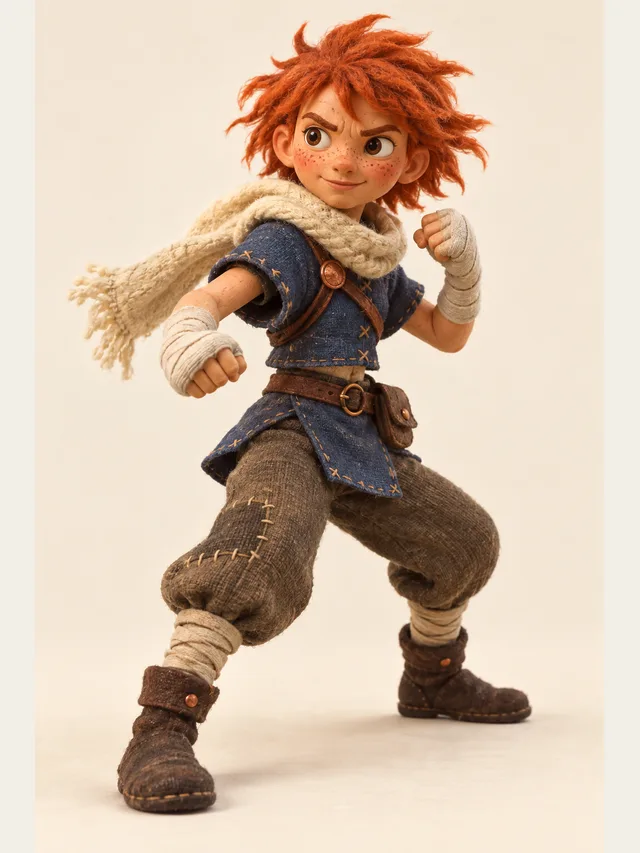
Aria
Bright shonen-anime lead who narrates her own fight scenes
Cette page n'est pas encore disponible en français ; la version anglaise est affichée.
zh-CN · 简体中文
All forty characters perform in Mandarin, behind twenty-three distinct voices — the same count as French. Within one project no two characters are handed the same voice until all twenty-three are spoken for, so a Mandarin ensemble separates on its own. The work in Chinese is elsewhere: making sure every name is read with the reading you actually meant.
Aria
Bright shonen-anime lead who narrates her own fight scenes
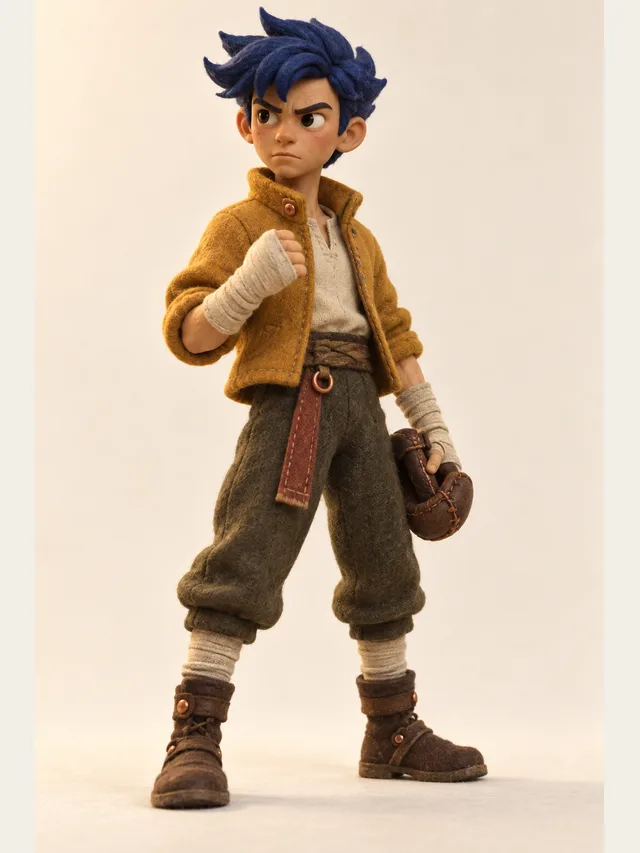
Koji
Rival character: clipped, competitive, secretly loyal
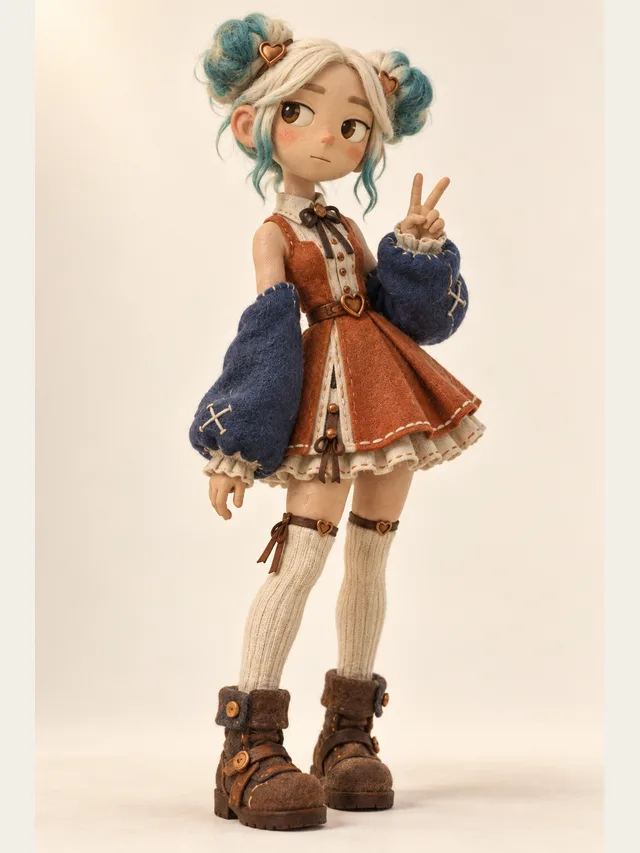
Lumen
VTuber persona: cute on top, deadpan underneath
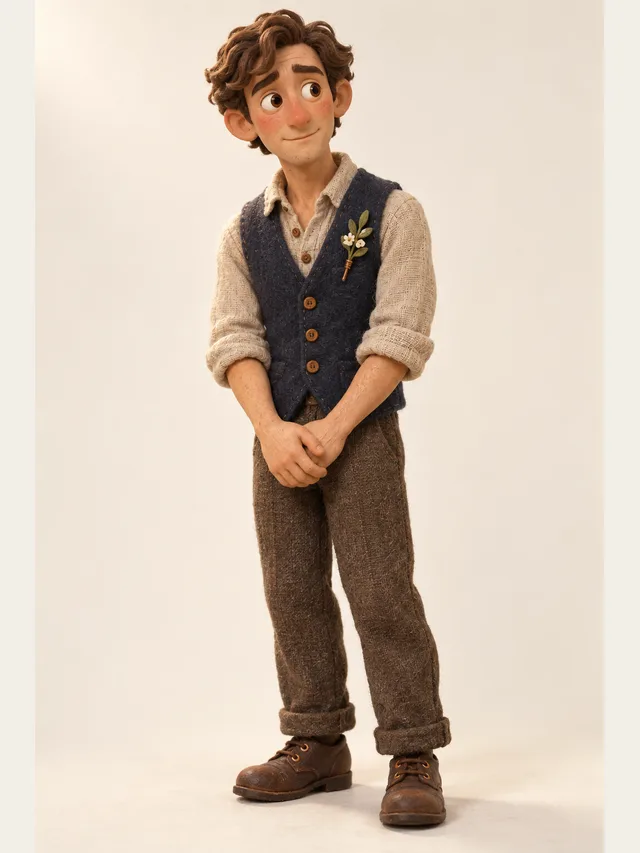
Ezra
Visual-novel love interest with a two-second pause before honesty
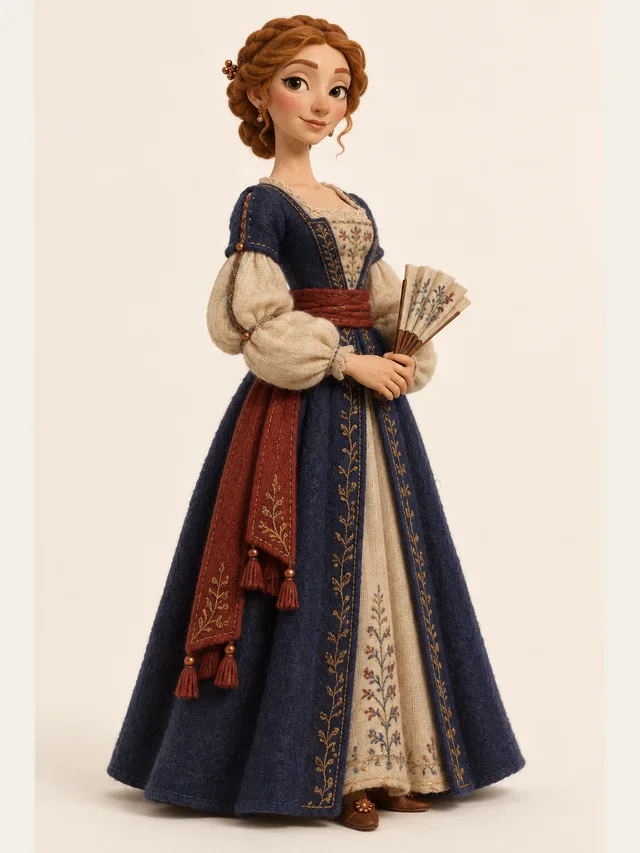
Seraphine
Court princess whose politeness is a weapon
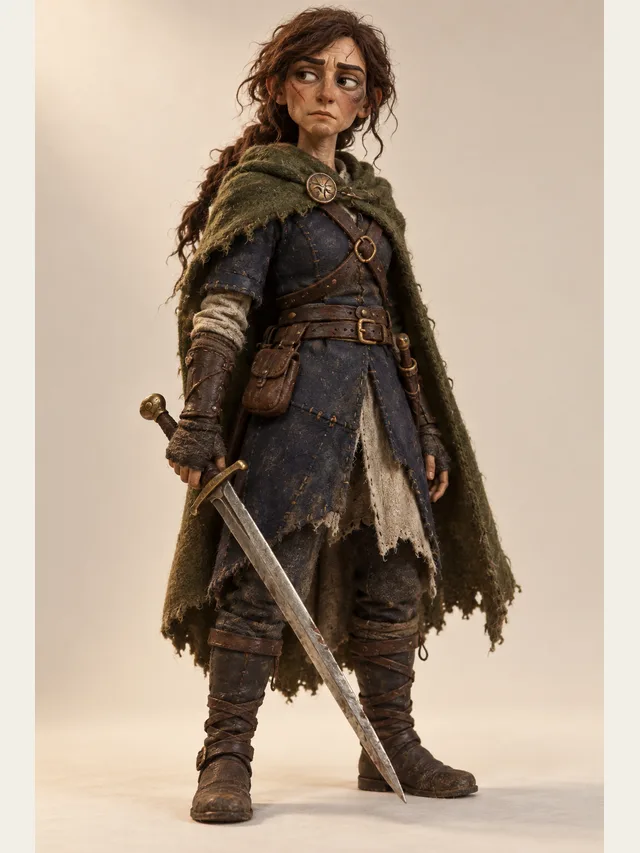
Kestrel
Low, weary swordswoman who has already lost this war once
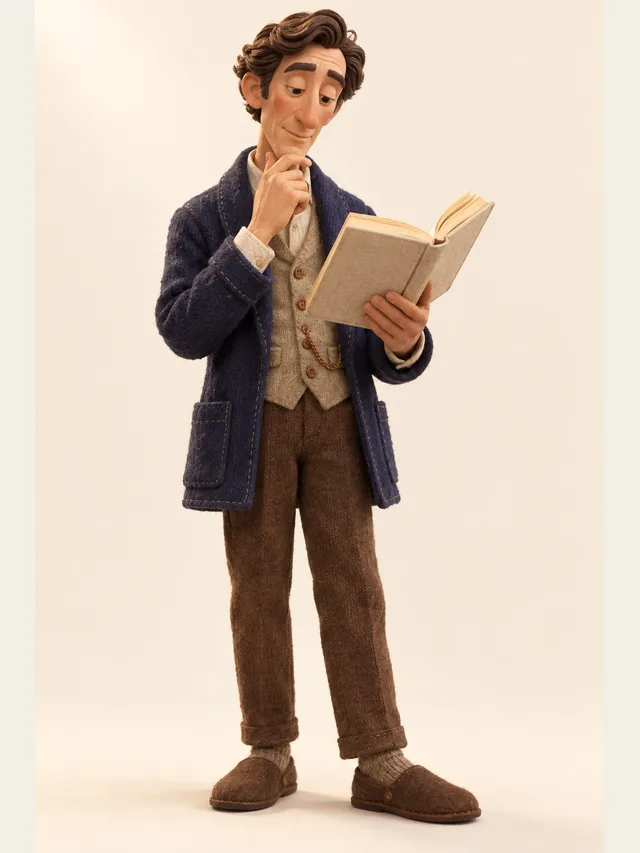
Dorian
Audiobook baritone for literary fiction and slow reveals
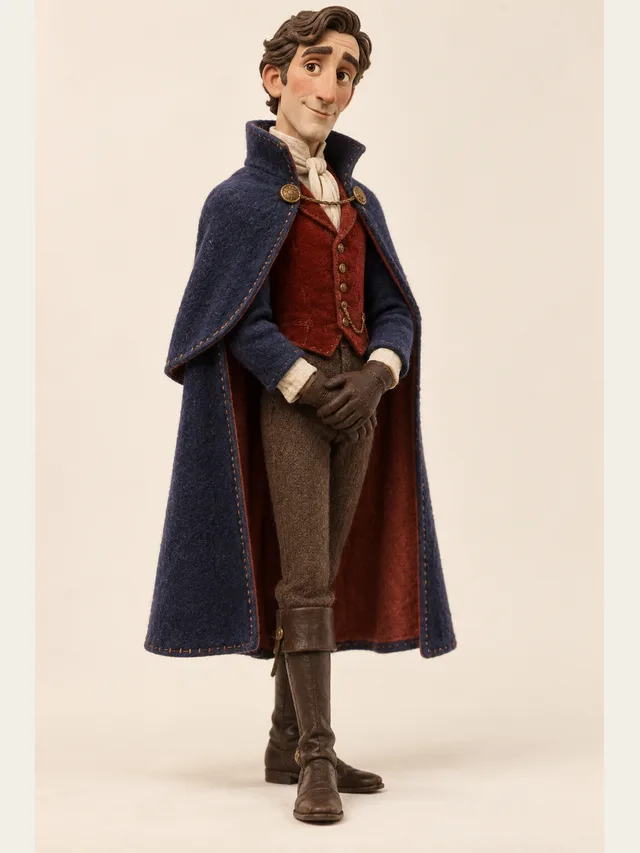
Ashford
Velvet-voiced villain who apologises before he ruins you
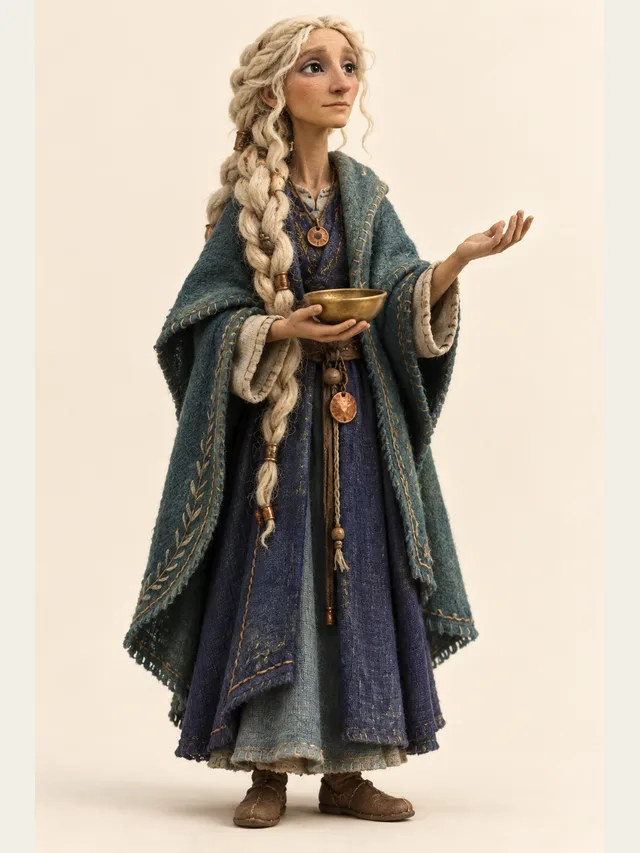
Delphi
Oracle who answers the question you should have asked
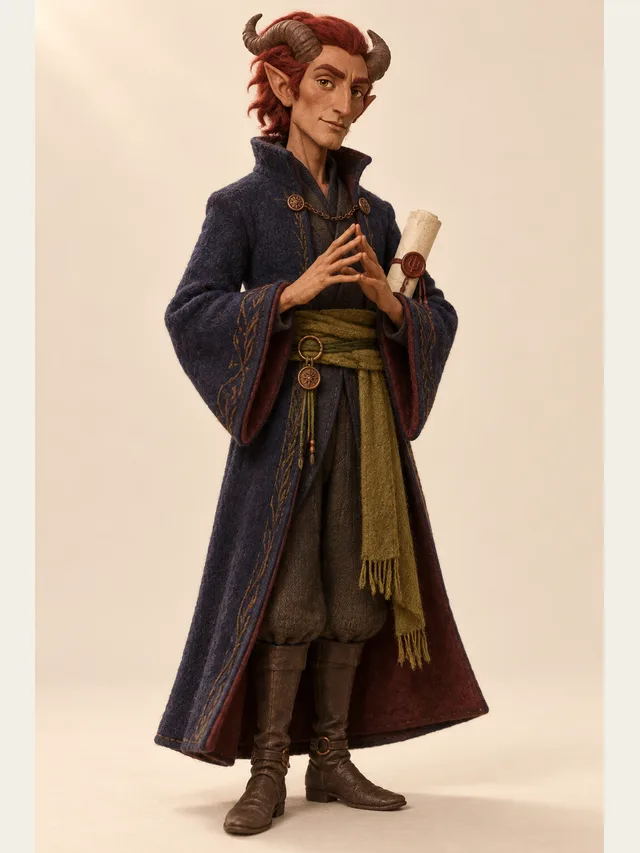
Vex
Demon who negotiates in a reasonable tone
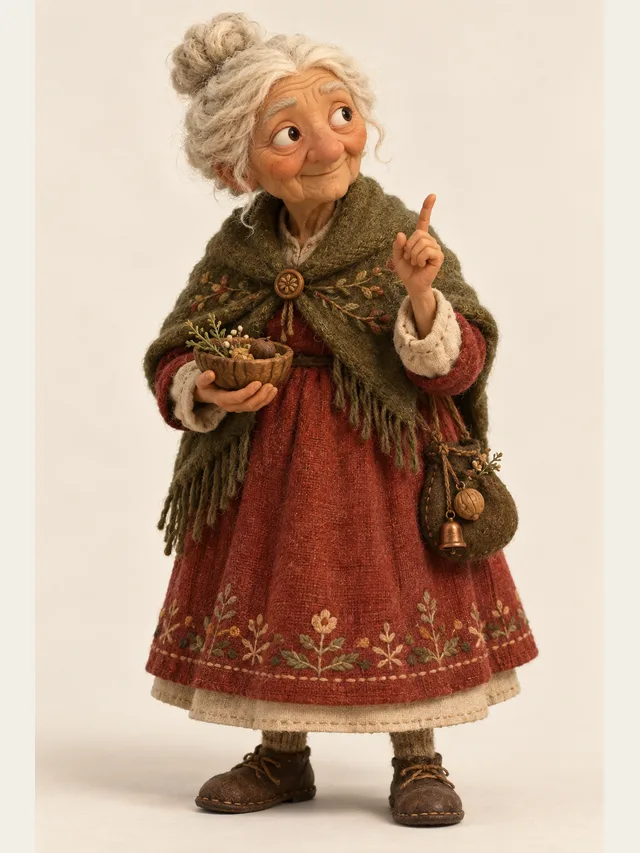
Gran Thea
Grandmother telling a folk tale she half believes
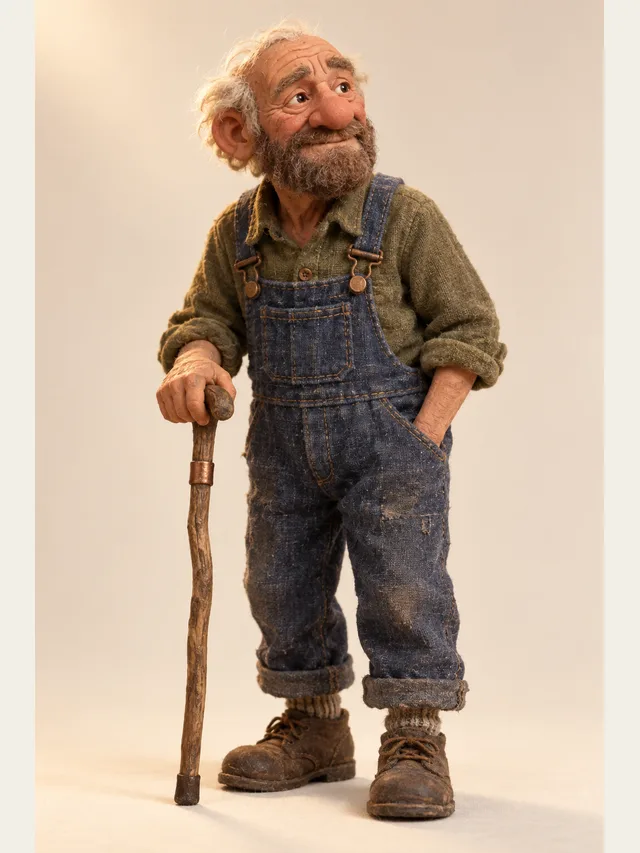
Orrin
Old man on a porch who remembers the flood
Voir les 40 personnages — ils jouent tous en Chinese (Simplified) →
Twenty-three distinct voices puts Mandarin level with French and comfortably past what an ordinary scene needs. Casting inside a project will not hand two characters the same voice until all twenty-three are spoken for, so an ensemble separates itself and you do not have to police it — the constraint only bites on Plus and Pro, since Free caps a project at two cast members and Basic at five.
They are not all reached the same way, though, and that is worth knowing before you plan a large cast. Eleven of the twenty-three are natively Chinese voices, including Taiwanese Mandarin and regionally accented voices from Shaanxi and Liaoning, and the other twelve are multilingual voices that speak Mandarin without it being their first language. Every character's first choice comes from a hand-picked set of seven Mandarin voices, decided by its gender and age band: the senior women start on the Liaoning-accented voice, Milo and Pip on a real child's voice, and every young woman in the library on one shared voice. So no character starts on a borrowed voice in Mandarin — but seven is few, and a second character of the same gender and age band clashes the moment it joins. The one added later moves to the free voice closest to its age band, among its own gender first and then the other, and only a child character is ever moved onto the child voice; that is how the rest of the twenty-three are reached, and a second young-adult woman, for instance, lands on a Taiwanese Mandarin voice, while a second teenage girl lands on the Liaoning-accented one. Regional colour therefore follows a character's age, gender and clashes rather than anything you can ask for directly, and every character that has been moved is worth auditioning rather than trusting.
Polyphonic characters are ordinary in Chinese and concentrated exactly where fiction needs precision: in names. 单 is shàn as a surname and dān otherwise; 解 is xiè as a surname and jiě otherwise; 仇, 覃, 区 and 乐 behave the same way. Outside names, 行 and 重 and 长 change reading with sense, and a wrong pick is a wrong word rather than an odd inflection.
There is no reading-override list, and Chinese has no phonetic spelling equivalent to Japanese kana. What it does have is homophones: replace the misread character with one that has the same syllable, the same tone and only one reading, and the listener hears the name you meant — write 善 for the surname 单 and it comes out shàn. The cost is in the subtitles: the SRT export on Plus and Pro follows your script text, so the stand-in character appears there and has to be changed back in your editor for a subtitled release. Audition every name before you render an episode, because that is where the problem shows.
Third-tone sandhi, 一 shifting tone with what follows, 不 before a fourth tone — the engine handles these inside a phrase and it handles them well. Where it fails is at boundaries you introduce: a line break or a comma dropped into the middle of a word stops the sandhi from applying, and 你好 read as two separate syllables is immediately audible to a native listener even though nothing is misspelled.
So the practical rule for Mandarin scripts is the opposite of the advice for most languages: do not split lines for pacing. Keep each utterance whole and let the line-level speed control on Plus and Pro handle the pacing instead, because that changes delivery without changing where the engine thinks the words end.
A project takes its language from the CastDub interface you create it in and keeps it. Getting this right is also what stops a Japanese or Korean script being read with Mandarin readings of the shared characters.
Casting avoids repeats across the whole project, so which voice a character gets depends on who is already in the cast. Build the full cast list first and you will not have to re-listen to anyone.
Every surname and every invented name, before you render anything long. Where the reading will not come right, swap in a character with the same sound and tone.
Do not break a line mid-phrase for rhythm. Use line-level speed control on Plus and Pro instead.
Mixed file on any plan, SRT from Plus, one track per character on Pro.
Twenty-three. All forty characters perform in Mandarin, and casting inside a project avoids repeats until those twenty-three are used up, so twenty-three is how many speakers can sound genuinely different at once.
No. Casting is first come, first served in cast order, so anyone already in the project keeps their voice and it is the newcomer who moves if there is a clash. That is deliberate — reshuffling would silently invalidate audio you had already rendered.
No. Cantonese is a different spoken language rather than an accent setting, and written Cantonese is a different orthography as well. Pasting Cantonese text into a Mandarin project will not produce Cantonese.
Not with an override, because there is no reading list. Audition names early, and where one is misread, swap in a character with the same syllable, the same tone and a single reading — the listener hears the right name, though the SRT subtitles show the character you swapped in.
Collez un script, laissez CastDub donner sa voix à chaque personnage, et exportez une fiction sonore finie.
Créer gratuitementSans carte bancaire. Free vous donne une réserve unique de crédits.