
Kestrel
Low, weary swordswoman who has already lost this war once
Cette page n'est pas encore disponible en français ; la version anglaise est affichée.
Parcours
A script is a plan for a performance, and reading it silently tells you almost nothing about whether it works. Hearing it performed by distinct voices tells you within thirty seconds — and it now takes about that long to arrange.
Table reads exist because writers cannot hear their own dialogue. Getting five people in a room to read a draft is the most valuable and least available feedback in screenwriting; rendering the same read takes minutes and can be repeated after every rewrite.
Character names in caps above their lines are read as speakers, and a parenthetical on its own line is not spoken. Scene headings and action lines come through as narration, which you keep for a table read or delete. You do not have to rebuild the scene as a list.
On the page, two characters with the same voice look different because their names are printed. In audio they are identical, which is exactly the diagnostic you want: if you cannot tell them apart by ear, neither can an audience.
The same render is a scratch track for animation, a pitch asset, a rehearsal reference for actors, or a finished audio version of a stage play. The output is not throwaway.
Kestrel
Low, weary swordswoman who has already lost this war once
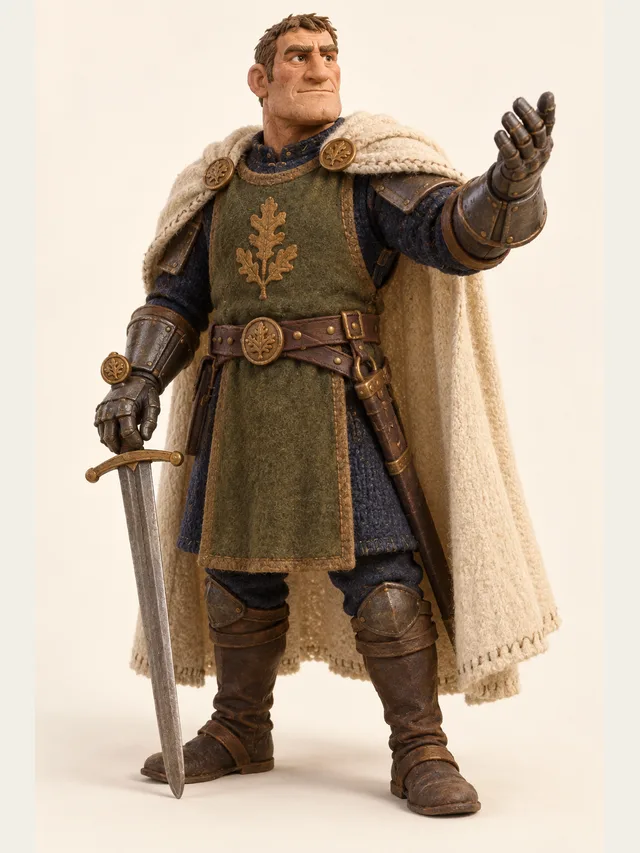
Torvald
Knight commander who gives orders that men actually follow

Cass
Seventeen and furious about it, in a good way
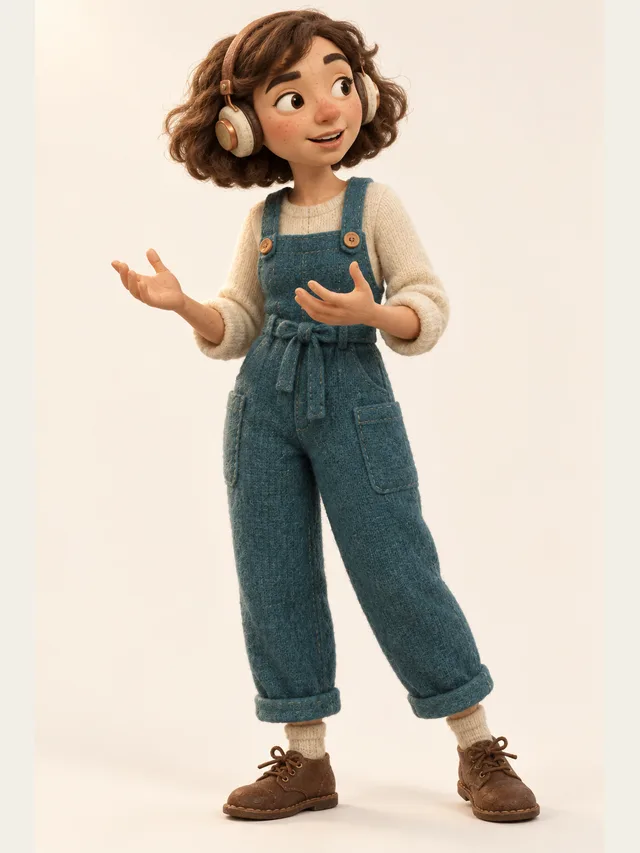
Juno
Podcast host who thinks out loud and never reads a script
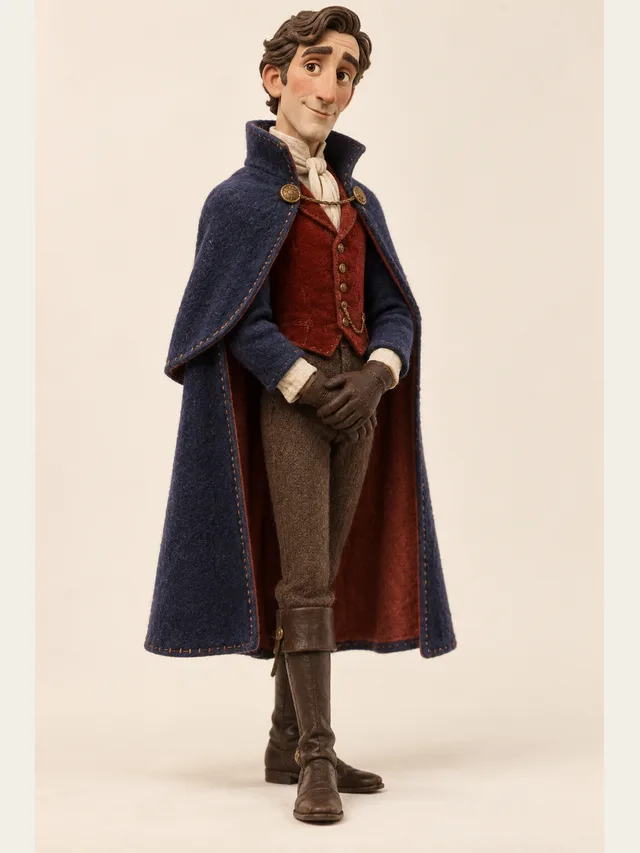
Ashford
Velvet-voiced villain who apologises before he ruins you

Noor
Newsreader clarity for exposition-heavy scenes
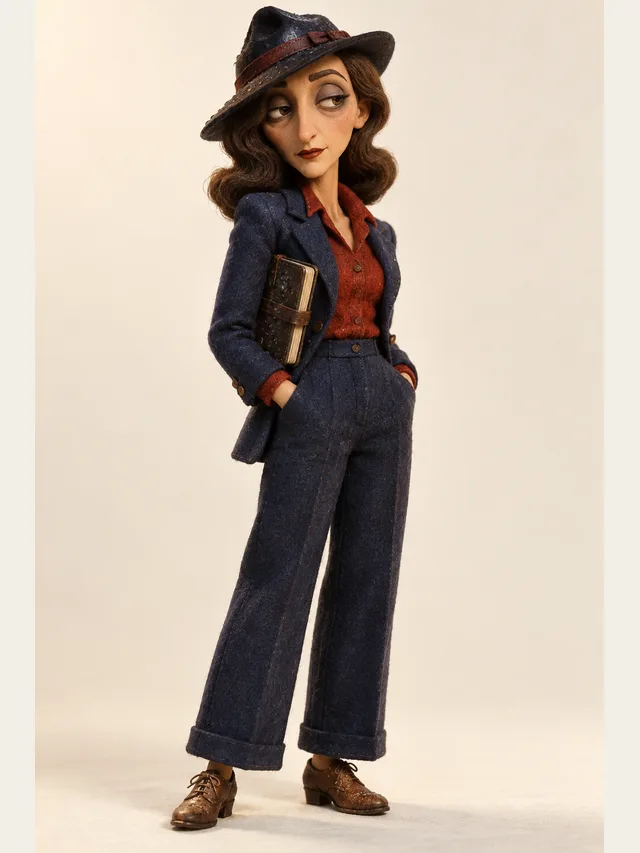
Sable
Noir detective narrating her own bad decisions
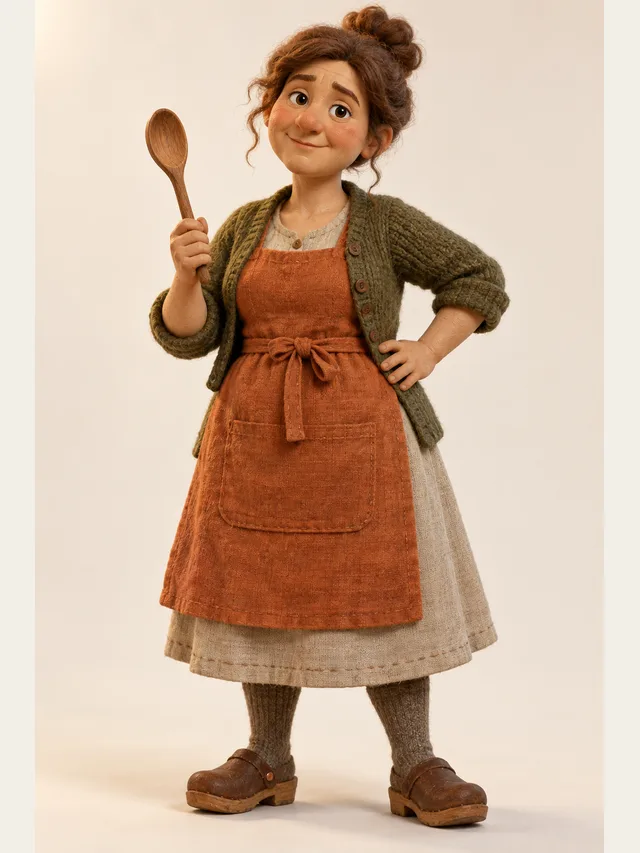
Hazel
Mum voice: patient, then suddenly not
Screenplay layout is parsed as written. Scene headings and action lines become narrator lines, and anything you do not want read has to be deleted from the line list.
For a table read, leave them with the narrator. For a scratch track, delete those lines — there is no switch for it, so it is a quick pass down the list, or cut them from the script before you paste.
Two characters who read similarly on the page must sound different. This is the check the exercise exists for.
Do not stop to fix lines. Hear the whole scene once at full length; pacing problems only show up continuously.
Second pass: direct the three or four lines where the scene turns. Leave everything else neutral.
A mixed file for feedback, stems on Pro for an animatic, subtitles from Plus for a pitch video.
Writers in every dramatic medium face the same problem: the artefact they produce is not the artefact the audience receives. A script is instructions. Whether those instructions produce a good scene depends on performance, and performance is expensive and slow to arrange, so most scripts are revised many times before anyone hears them at all.
The traditional solution is the table read, and it works so well that professional productions build their schedules around it. The difficulty is access: a table read needs several people, a time everyone is free, and a draft you are willing to expose. Writers early in a project have none of those things, which is exactly when hearing the dialogue would help most.
Three things surface immediately. Length — scenes that read as brisk on the page routinely run twice as long aloud, and the difference is felt rather than measured. Voice distinctness — if two characters sound the same, they are the same, and no amount of character description on the page fixes it. And exposition — information that reads as natural is frequently unbearable when spoken, because a listener cannot skim.
A fourth, subtler one: rhythm. Good dialogue has varying line lengths, and a scene where every line is the same length develops a mechanical pulse that is invisible in text and obvious in audio. Hearing it once is worth more than any amount of advice about it.
The failure mode is treating the render as a performance. It is not — it is a neutral reading at a consistent pace, which is precisely what makes it a good diagnostic and a poor judge of subtlety. A line that lands flat here may be excellent with an actor who knows what to do with it, and a line that sounds fine here may still be doing nothing.
The useful question is structural: can I follow this, can I tell who is speaking, is it too long, does the information arrive in a usable order. Those questions the render answers reliably. Questions about nuance it does not answer at all, and pretending otherwise leads to over-editing perfectly good material.
The same workflow covers stage plays, radio scripts, game dialogue tables and interactive fiction. Game writing in particular benefits, because it is written as tables rather than scenes and is almost never heard until very late in production, by which point the structure is fixed.
Stage writing has its own use: a rendered read of a scene gives a director something to react to before casting, and it is common now for new-writing programmes to circulate audio versions of submitted scripts rather than asking readers to imagine them.
Rendered reads have found an unexpected use in collaborative writing: circulating a scene in audio rather than as pages. People who will not read eight pages of a colleague's draft will listen to four minutes of it while commuting, and the notes that come back are noticeably different — more about pacing and clarity, less about line-level phrasing.
That shift is useful at the structural stage of a project, when line polishing is premature anyway. Several television writers' rooms now circulate audio versions of outline scenes for exactly this reason.
Screenwriters use a page-per-minute rule that is reliable for action and unreliable for dialogue, because delivery speed varies enormously with how a scene is played. A rendered read gives you a real number rather than an estimate, which matters most in formats with hard length limits: a ten-minute short, an advertisement, a festival submission.
Treat the number as a floor rather than an exact figure. Generated dialogue runs faster and more evenly than human performance, and it does not pause for business, reactions or the moment an actor takes before a difficult line. A scene that renders at four minutes will usually play at four and a half to five.
If you are cutting to length, the useful discovery is almost always which section feels long rather than which section is long. Those are different, and only listening finds the first one.
Free
US$0 / mois
Entendez ce que donne votre script une fois distribué, avant de payer quoi que ce soit.
Basic
US$5 / mois
Ouvrez toute la bibliothèque de voix et commencez à emporter vos fichiers finis.
Plus
US$19 / mois
Dirigez le tempo : ralentissez un aveu, faites avancer une dispute.
Pro
US$29 / mois
La formule de la fiction sonore : chaque réplique a son émotion, chaque personnage sa piste.
No, and it should not try to be. A room of actors gives you interpretation, questions and the moment where everyone laughs at a line you thought was serious. What this gives you is the structural half — pacing, clarity, whether characters are distinguishable — available at any hour, repeatable after every draft.
Scene headings and action lines, yes — they become narrator lines, which is what you want for a full table read. For a dialogue-only scratch track, delete them; there is no setting that skips them. A parenthetical on a line of its own is treated as direction rather than spoken.
Yes, and it is a common use. Animate to the generated track, then replace it with the recorded performance later — the timing will not match exactly, so plan for an adjustment pass rather than a drop-in swap.
Pasted plain text in standard screenplay layout, Name: line pairs, and prose with dialogue tags — there is no file upload. Text copied out of most screenwriting software falls into the first category without modification.
Export the file and send it however you normally would. There is no collaborative editing and no shared seats in this release — the review workflow is export-and-send.
Roughly. Generated dialogue runs slightly faster and more evenly than human performance, and it does not pause for business or reactions. For rough timing it is reliable; for locking picture it is not.
Collez un script, laissez CastDub donner sa voix à chaque personnage, et exportez une fiction sonore finie.
Créer gratuitementSans carte bancaire. Free vous donne une réserve unique de crédits.