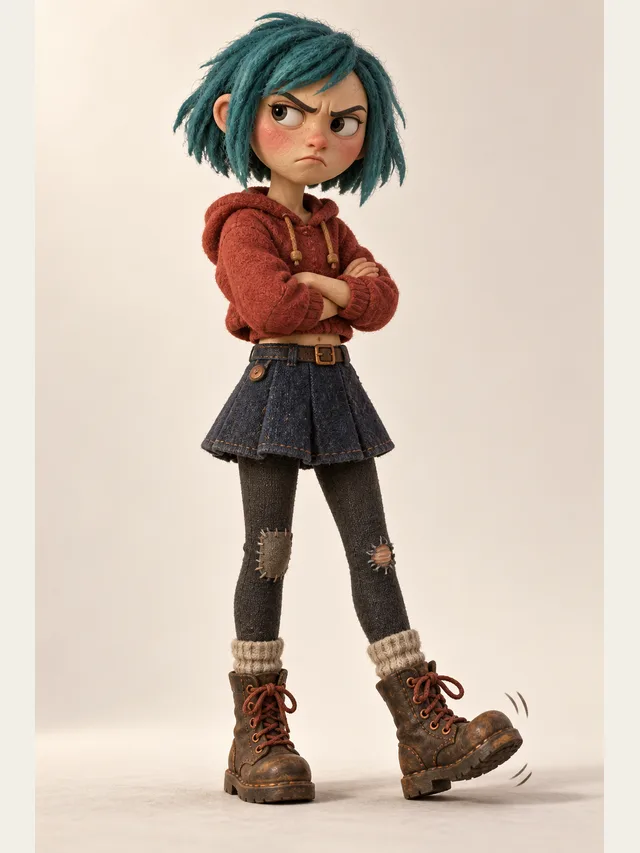
Cass
Seventeen and furious about it, in a good way
Cette page n'est pas encore disponible en français ; la version anglaise est affichée.
Parcours
Fanfiction is dialogue-heavy, character-driven and enormous in volume — which makes it the best-suited fiction in the world for audio, and the least served by tools that give you one narrator reading everything.
The reason fanfic is read rather than heard is that a single narrator flattens exactly what readers came for: the dynamic between two specific characters. Casting them separately restores it, and it takes minutes rather than a recording session.
Fanfic is not formatted as a script. CastDub reads quoted speech with tags like "she said quietly" and turns them into character assignments, so you can paste a chapter straight from your document without reformatting anything.
A hundred-thousand-word fic is dozens of rendering sessions and, sensibly, dozens of projects. Characters live inside a project, so consistency comes from choosing the same library characters and personas in each chapter's project and listening to the leads' first lines before you export — drift between chapters is the failure mode that kills most long podfic projects.
Export a mixed file for a podfic post, stems if you want to score it, or subtitles if you are making a video version for a platform that rewards captions. Nothing about the output assumes a professional pipeline.
Cass
Seventeen and furious about it, in a good way
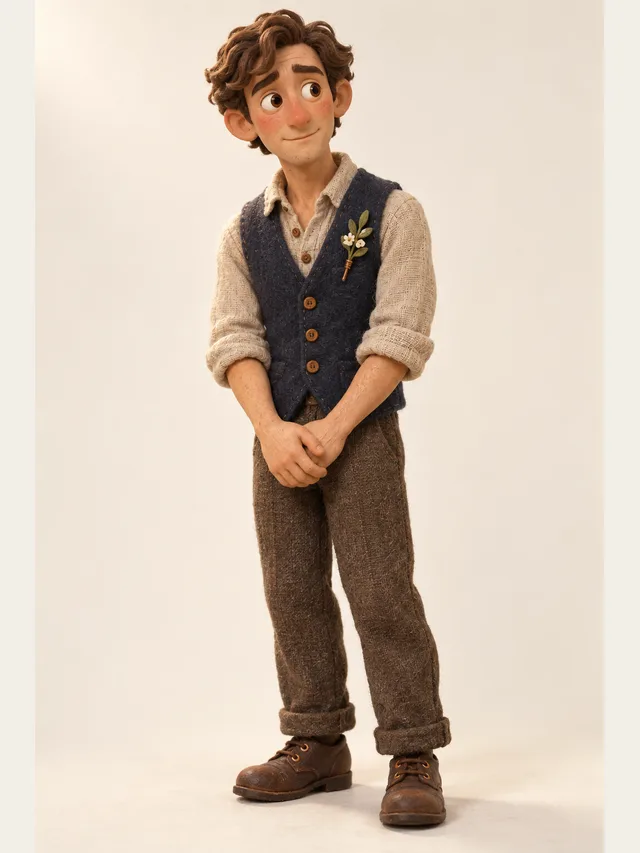
Ezra
Visual-novel love interest with a two-second pause before honesty
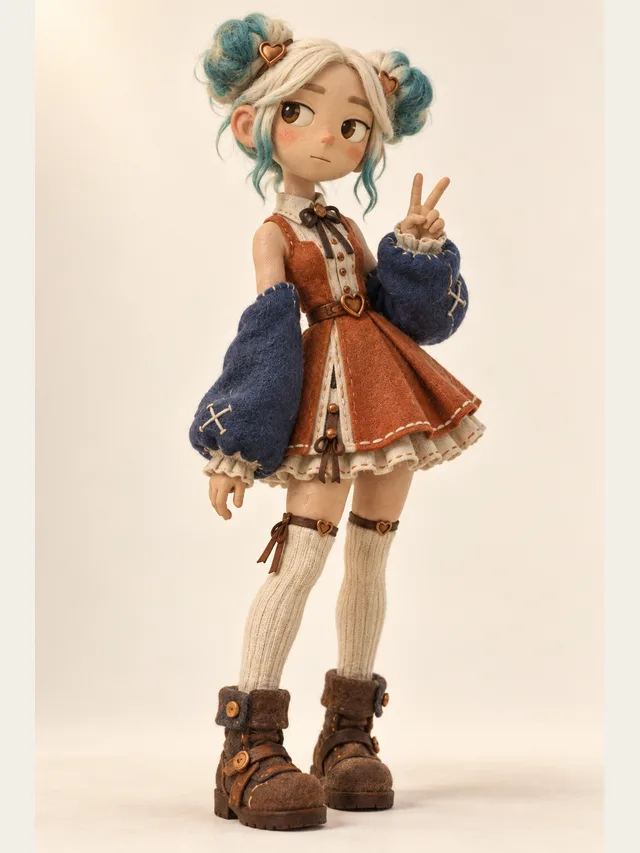
Lumen
VTuber persona: cute on top, deadpan underneath
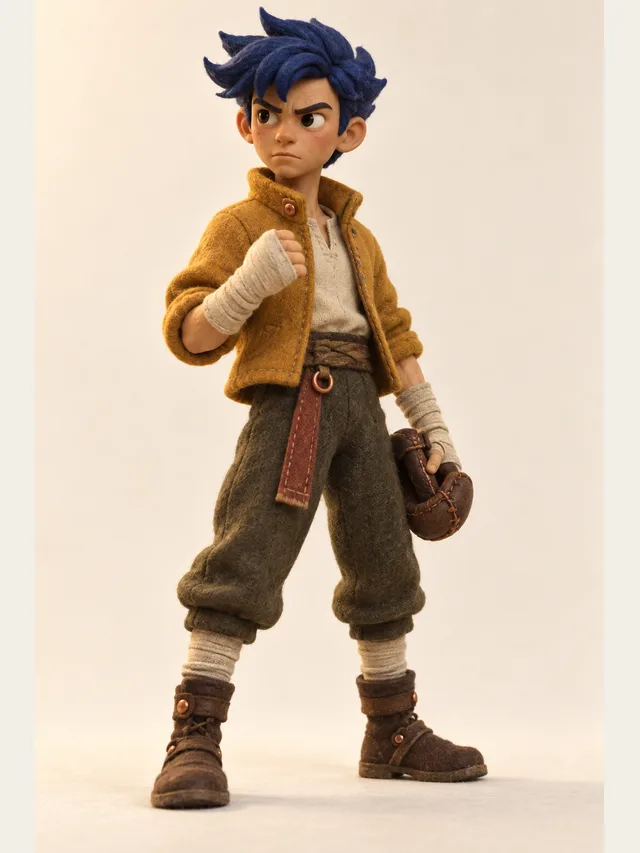
Koji
Rival character: clipped, competitive, secretly loyal
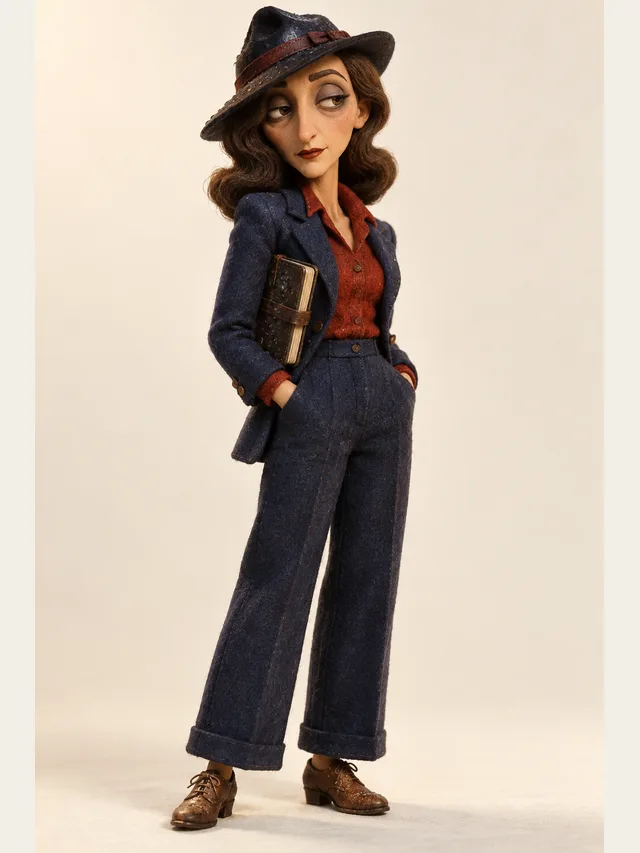
Sable
Noir detective narrating her own bad decisions
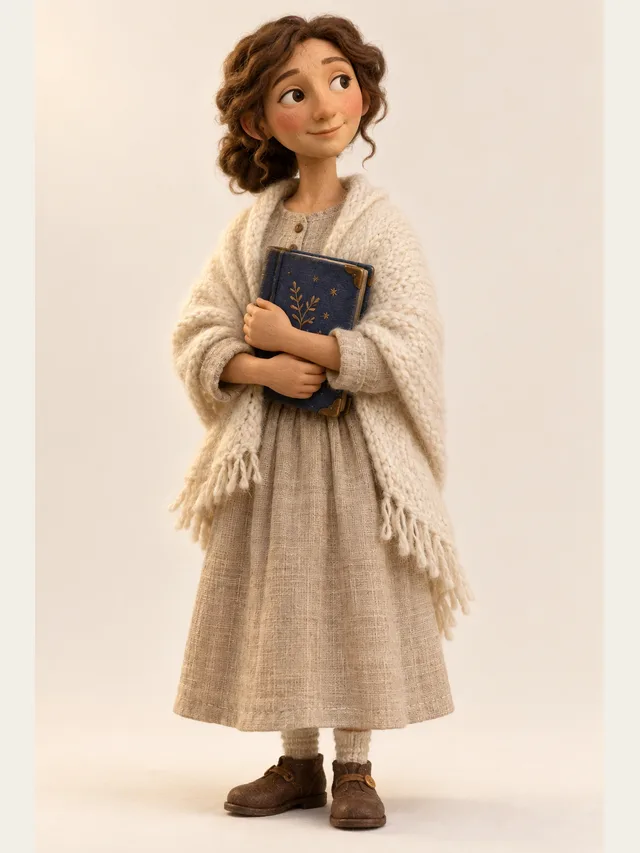
Wren
Bedtime-story narrator, slow and warm, never wakes anyone up
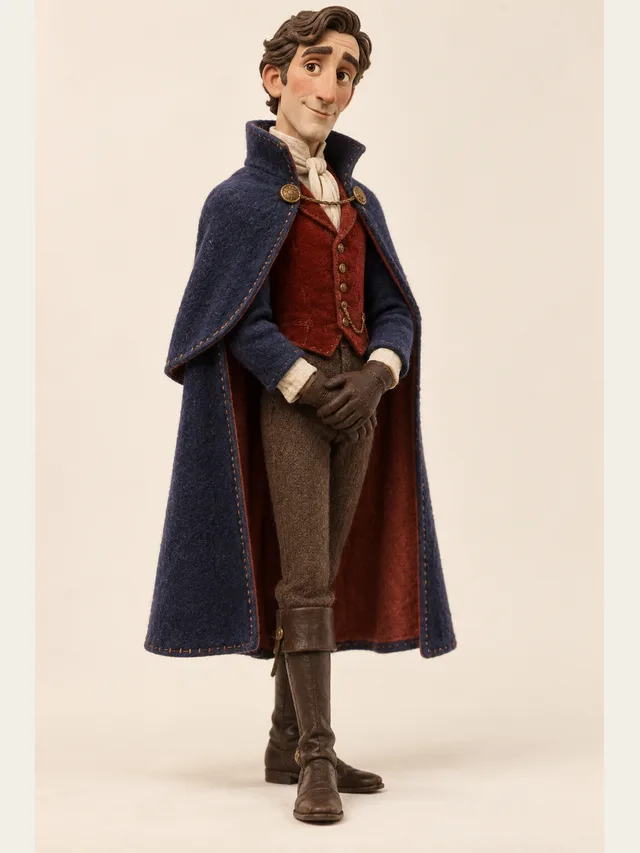
Ashford
Velvet-voiced villain who apologises before he ruins you
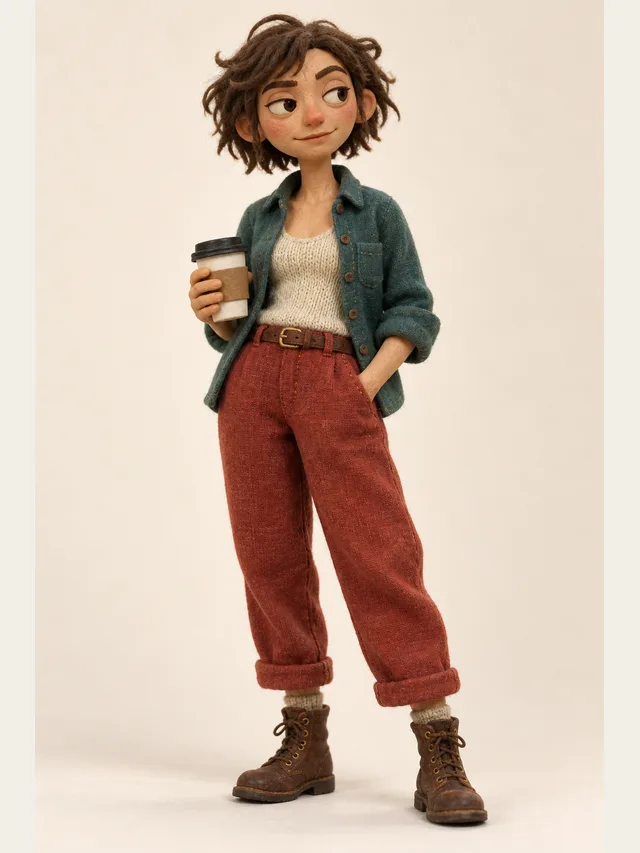
Tess
Australian lead with a flat, dry delivery
Prose, not script. Quoted dialogue with attribution tags is exactly the format auto-casting is built for.
Attribution in prose is ambiguous more often than in scripts. Scan the assignments once before rendering — it is faster than fixing them after.
The narrator carries the prose and should be clearly separated from every character. Cast them first, then the two or three characters who carry the fic.
Note which library character and persona each role got, before chapter two rather than after chapter twenty. Characters do not carry between projects, so that list is what you rebuild each chapter's cast from.
Fanfic runs on specific emotional payoffs. Mark those lines and leave the rest neutral; that contrast is what readers came for.
One project per chapter, published the way the fic is published. It also means a revision only costs one chapter's export. Listen to each lead's first line before you export, because the same library character is not guaranteed the same voice in a new project.
Podfic — fanfiction recorded aloud — has existed for as long as fandom has had audio hosting, and it has always been limited by the same thing: recording takes as long as listening, plus editing. A 10,000-word fic is roughly an hour of finished audio and several hours of work, performed by one person doing every voice.
The demand has never been the problem. Fanfiction is unusually dialogue-dense, built around relationships between two or three specific characters, and consumed in exactly the contexts audio serves — commuting, chores, before sleep. It is arguably better suited to audio than most published fiction, and it is under-served because production is manual.
Casting the characters separately does something a solo podficcer cannot: it makes a two-person scene actually sound like two people. That is the specific thing readers are there for, and it is the thing a single narrator necessarily loses.
Screenplays label every speaker. Prose does not. It uses attribution tags, and then drops them once a rhythm is established, so a page of back-and-forth dialogue may have no names at all after the first two lines. Human readers track this effortlessly; automatic detection does not.
In practice this means the speaker-assignment pass is where your attention goes. Long unattributed exchanges, three-way conversations and any scene where a character is referred to by an epithet rather than a name are the reliable trouble spots. Scanning the assignments takes a couple of minutes and saves re-rendering.
There is a writing-side fix worth knowing: if you are writing the fic yourself and intend to make audio from it, keeping attribution slightly more explicit than prose style demands costs the reader almost nothing and removes the problem entirely.
Fandom's norms around transformative work are informal but strongly held, and the arrival of generated audio has made people justifiably nervous. Three habits keep you on the right side of them. Ask the author before podficcing their work, credit them in the post, and disclose that the voices are generated.
The disclosure point matters more than people expect. Communities that would happily listen to a generated podfic react badly to discovering it was generated after the fact, and the reaction is about honesty rather than about technology.
The hard line, again, is voice cloning of real performers. Cloning is not open yet and will never cover them here, it is the thing rights holders actually pursue, and a fandom that gets a reputation for it loses the tolerance that lets transformative work exist at all.
Think in chapters, not in works. A chapter is a publishable unit, a re-renderable unit and a listening-check unit, and organising the project this way keeps a long fic from becoming unmanageable.
Budget per chapter, and export once. Credits are counted in characters at download: a 5,000-word English chapter is roughly 28,000 characters, a little over half an hour of finished audio. Every export counts the whole project again, so fix and re-listen inside the project — generating costs no credits — and download when the chapter is final. That is the calculation most people get wrong on their first long project.
Podfic has its own distribution habits, and they are worth following. Archive of Our Own accepts podfic as a work with the audio hosted elsewhere and linked; the audio itself usually lives on a general file host or a podcast feed. Tumblr and Discord servers are where it actually gets heard, and a Reddit fandom thread will occasionally carry one further than any of them.
Expect a smaller audience than the text version, and expect a more committed one. Podfic listeners tend to follow specific ships and specific podficcers rather than browsing, which means tagging accurately matters more than volume. One well-tagged chapter posted where the fandom already talks will outperform ten posted into a void.
Give it a proper description: the fandom, the ship, the length in minutes, whether the voices are generated, and a credit to the author with a link. The length in minutes is the field people actually use to decide, and almost nobody includes it.
Free
US$0 / mois
Entendez ce que donne votre script une fois distribué, avant de payer quoi que ce soit.
Basic
US$5 / mois
Ouvrez toute la bibliothèque de voix et commencez à emporter vos fichiers finis.
Plus
US$19 / mois
Dirigez le tempo : ralentissez un aveu, faites avancer une dispute.
Pro
US$29 / mois
La formule de la fiction sonore : chaque réplique a son émotion, chaque personnage sa piste.
Fanfiction sits in a tolerated grey area that varies by rights holder, and converting it to audio does not change its legal status either way. What does change is visibility: audio and video versions travel further than text and attract more attention. Non-commercial, clearly transformative work in a fandom that tolerates it is the established norm; monetising it is where people get into trouble.
No. Voice cloning is not open yet, and when it opens this will not be allowed — it is the most common request on this page and the answer is absolute. Cloning a performer who played a character is a publicity-rights problem and against our cloning policy, and it is the single fastest way to get a podfic taken down. Cast a library character with a similar register instead — it is legal, it works, and nobody minds.
If you are podficcing someone else's fic, ask. Many authors have a blanket transformative-works statement in their profile; where there is not one, a short message is normal courtesy and almost always answered. Credit the author prominently in whatever you post.
Adult fiction between adult characters is within our terms. Sexual content involving characters written as minors is not, regardless of source material or canon ages, and accounts generating it are closed.
Rendering is fast. The real time goes into checking speaker assignments and listening to the result. For a 4,000-word chapter, expect around half an hour of actual attention the first time and much less once you have settled which library characters play whom.
Basic handles most single-fic projects at a few thousand words per chapter. A hundred-thousand-word work spread over months will want Plus for the extra minutes and unlimited cast.
Collez un script, laissez CastDub donner sa voix à chaque personnage, et exportez une fiction sonore finie.
Créer gratuitementSans carte bancaire. Free vous donne une réserve unique de crédits.