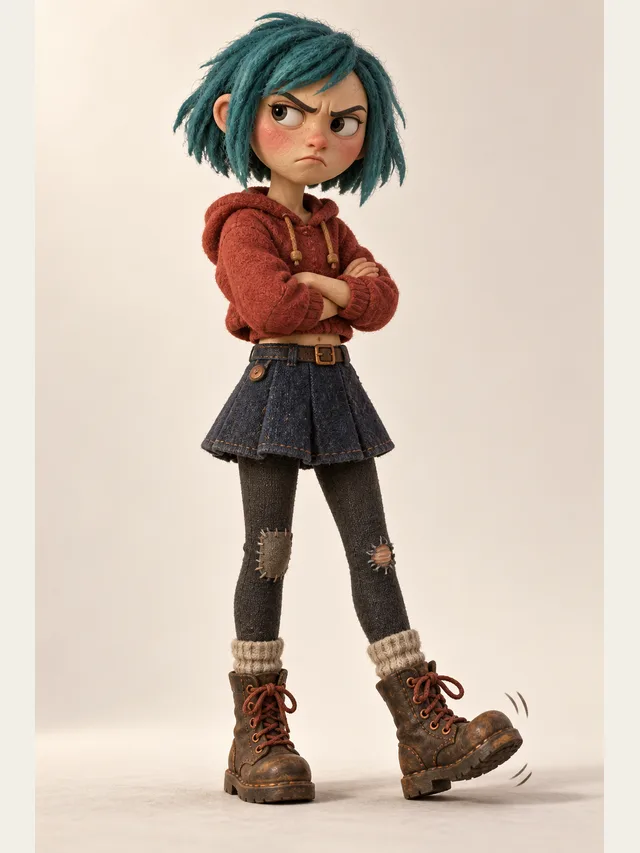
Cass
Seventeen and furious about it, in a good way
Diese Seite gibt es noch nicht auf Deutsch, deshalb steht hier die englische Fassung.
de-DE · Deutsch
All forty characters perform in German, behind twenty distinct voices. Ten of those are German, Austrian or Swiss; the other ten are multilingual voices that speak German as an additional language. Twenty is the ceiling: no two characters in one project are given the same voice until those twenty are used up, which covers the Hörspiel-shaped work German listeners expect and is worth knowing before you plan a large ensemble.
Cass
Seventeen and furious about it, in a good way

Koji
Rival character: clipped, competitive, secretly loyal
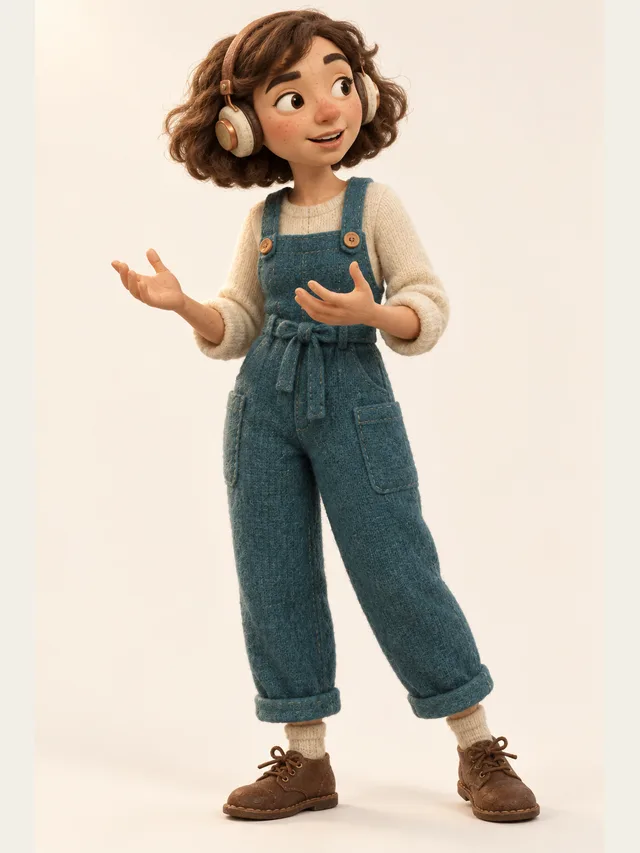
Juno
Podcast host who thinks out loud and never reads a script
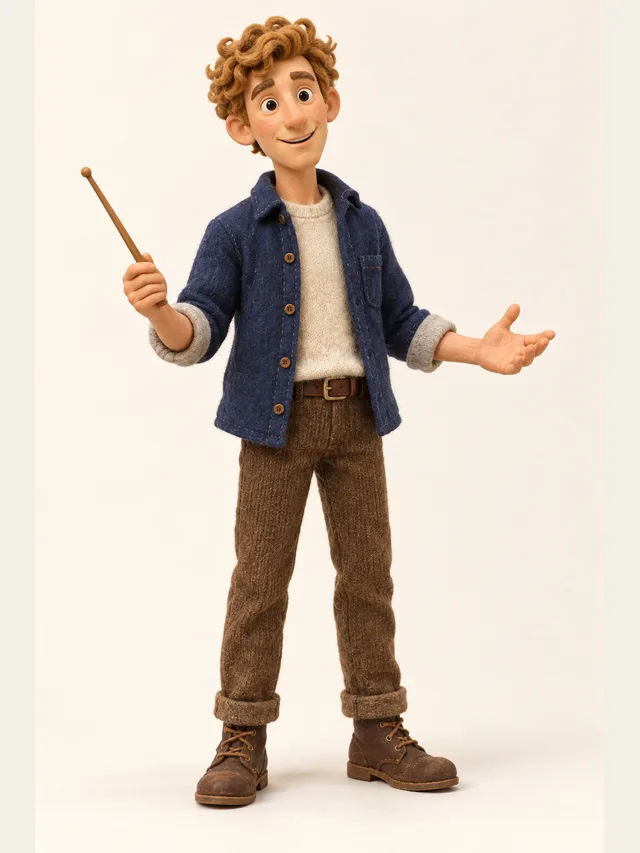
Quill
YouTube explainer voice that never sounds bored
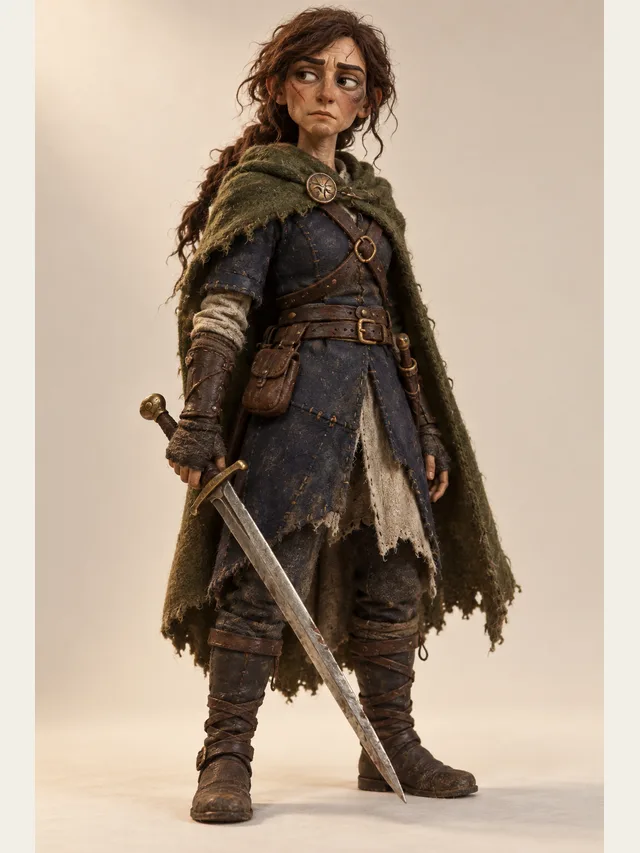
Kestrel
Low, weary swordswoman who has already lost this war once
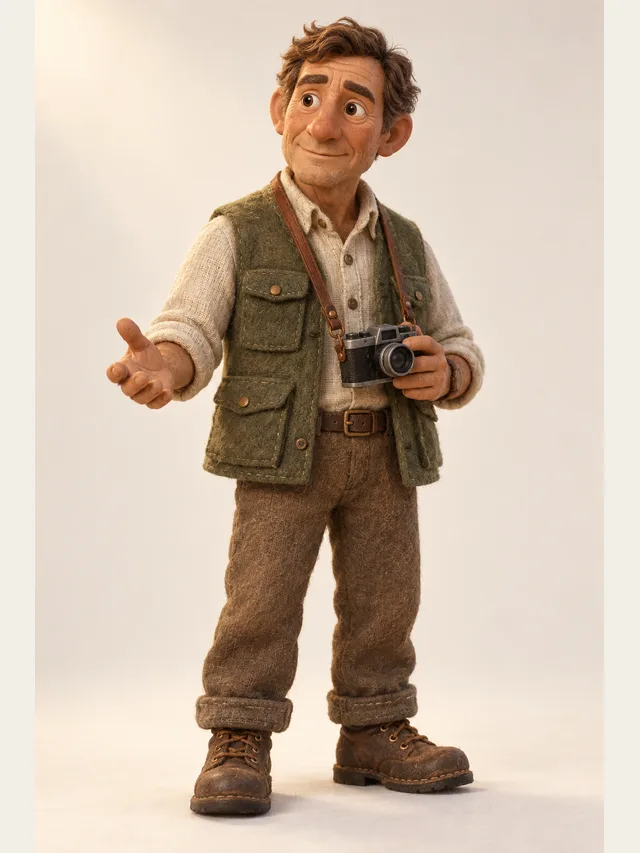
Hale
Documentary narrator with a hand on the listener's shoulder
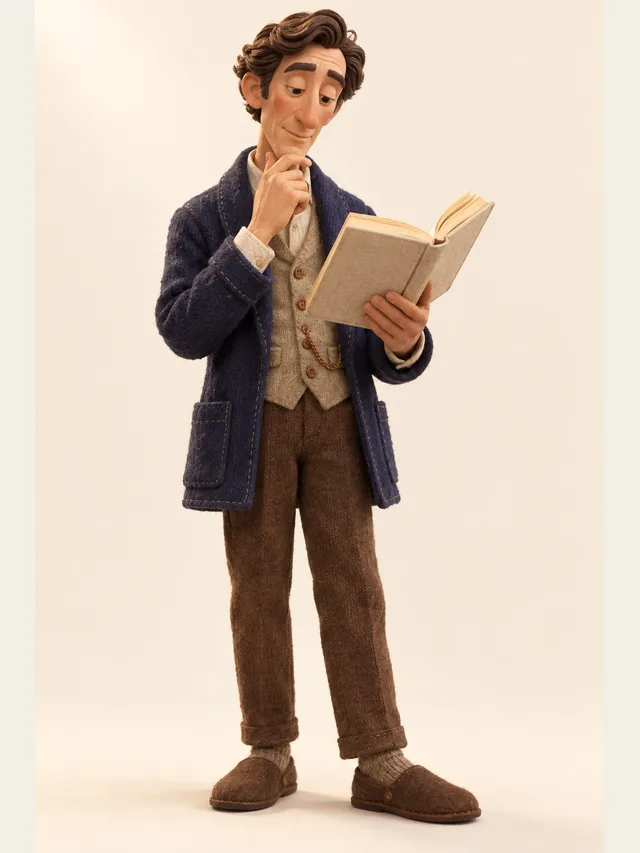
Dorian
Audiobook baritone for literary fiction and slow reveals
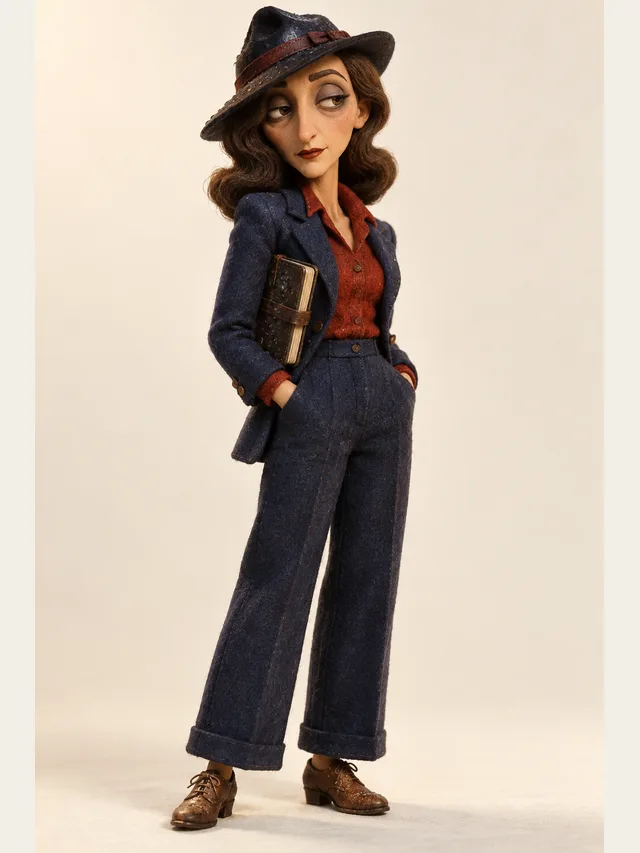
Sable
Noir detective narrating her own bad decisions
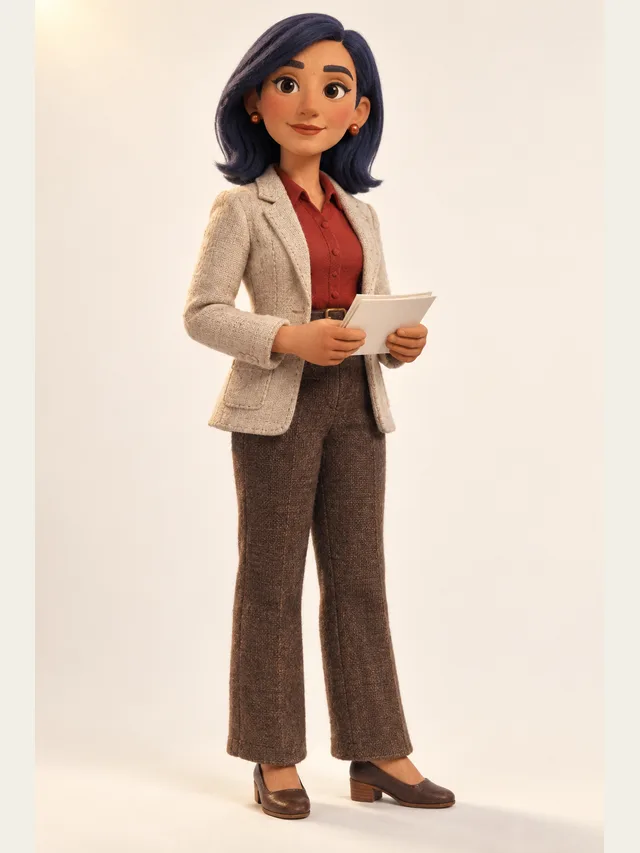
Noor
Newsreader clarity for exposition-heavy scenes
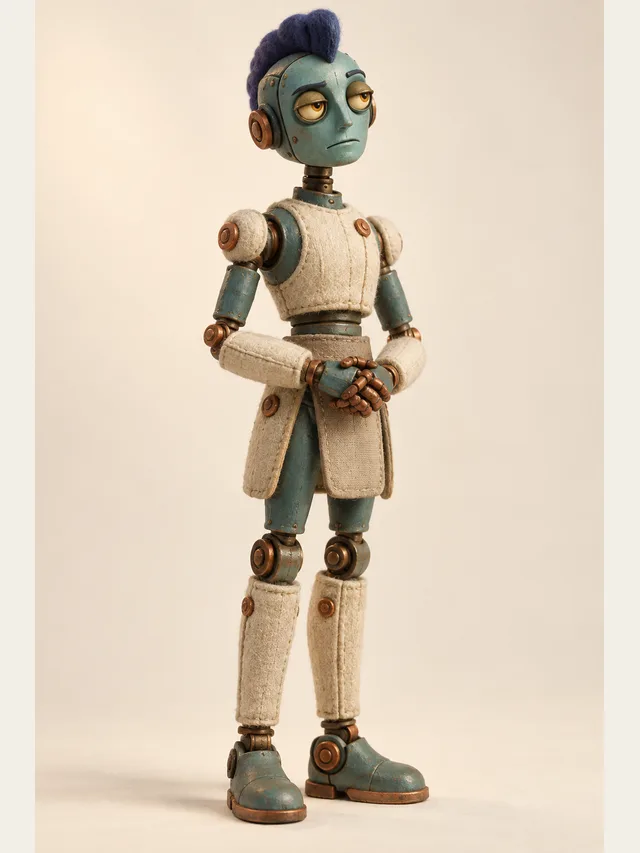
Nova
Ship AI that has read your file and is not impressed
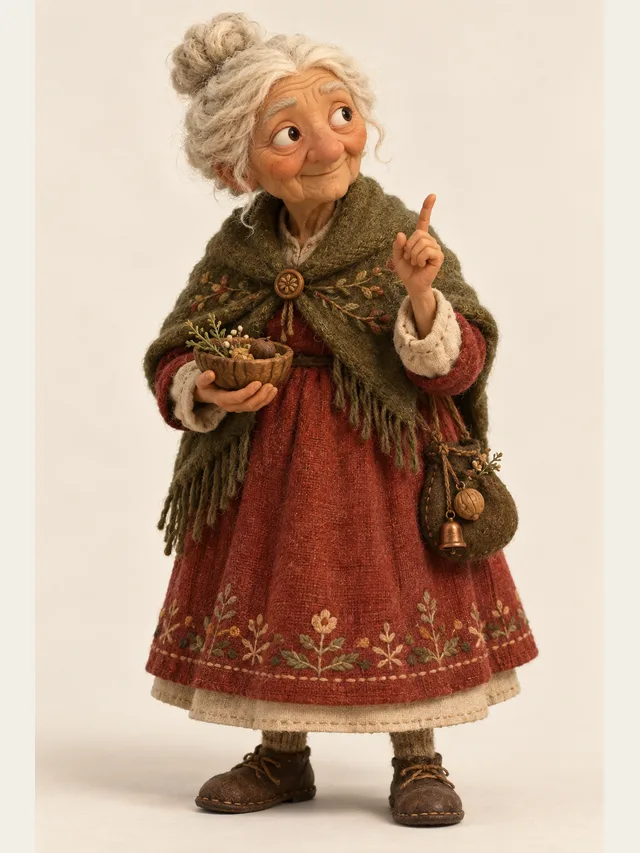
Gran Thea
Grandmother telling a folk tale she half believes
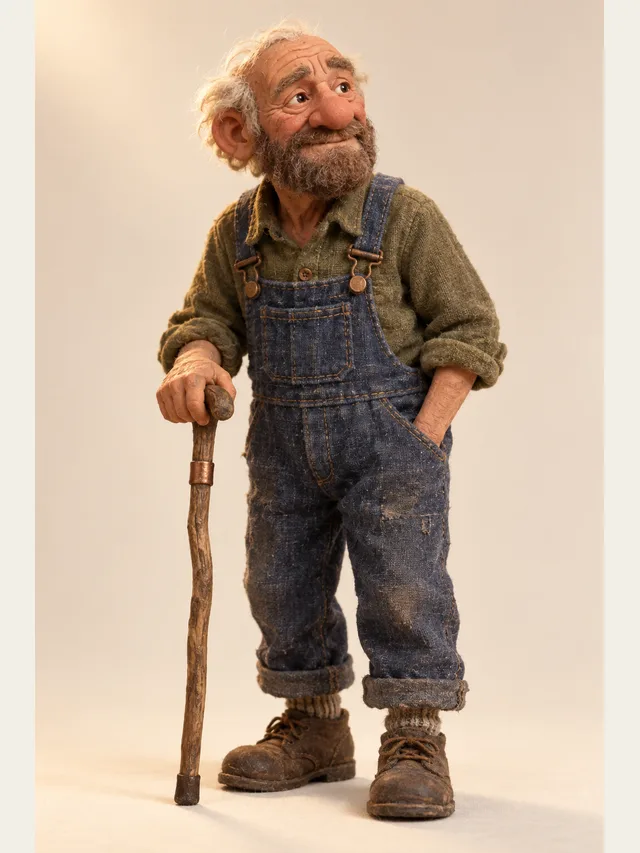
Orrin
Old man on a porch who remembers the flood
German brackets its clauses. A separable verb throws its prefix to the end of the sentence — Ich mache das Fenster auf — and a subordinate clause sends the finite verb there too, so a listener cannot know what happened until the last word arrives. Written German can afford this because a reader's eye moves ahead. A listener's ear cannot, and that is the single biggest difference between writing German for the page and writing it for audio.
The practical consequence is that Schachtelsätze, however elegant, are the enemy of a synthetic voice. Break the long ones. A voice that has to hold an intonation arc across four nested clauses will flatten somewhere in the middle, and the flattening is the moment the listener stops believing there is a person there.
Geschwindigkeitsbegrenzung is one word and four stresses, and reading it correctly means finding the internal boundaries before deciding where the emphasis goes. The engine does this well on established compounds and less well on fresh ones, which matters because German writers coin compounds freely and fiction coins them constantly. A newly invented compound is the German equivalent of an invented name in Japanese: the thing most likely to come out wrong.
There is no pronunciation dictionary, so where a coinage is mangled the lever is the text. Hyphenating a long compound — Drachen-Beschwörungs-Ritual — gives the engine the seams explicitly, and the listener hears no difference. The subtitles do show it: the SRT export on Plus and Pro follows your script text, so the hyphens appear there too. Use it sparingly and only where auditioning shows you need it.
Ten of the twenty voices are German-language voices proper, and they cover Standard German as spoken in Germany, in Austria and in Switzerland. These are three standards rather than three accents, and they differ in vowel quality, in intonation and in vocabulary. It is worth saying clearly what the Swiss voices are not: Swiss Standard German is the formal register used in broadcast, not Schweizerdeutsch dialect, which is a different thing and is not available here at all.
The other ten are multilingual voices whose first language is not German. They speak it competently and they are what lets a twenty-character Hörspiel cast without repeats, but they are not a fallback reached only by large casts. Each character is matched into the part of the pitch range that suits its age, and wherever the German voices are thin in that band a multilingual voice is the first choice. Twenty-one of the forty library characters start on one in German, so a four-hander can land on one exactly as a full ensemble does. Audition per character rather than assuming a small cast is safe.
German also has no true children's voices. A child character goes to the highest-pitched adult voice of its gender — an Austrian man's voice for Milo, a Swiss woman's for the gender-neutral Pip — which reads as young at best rather than as a child. For a Kinderhörspiel that is the constraint to design around — a strong adult narrator and teenage rather than child protagonists is the version of the format that works today.
A project takes its language from the CastDub interface you create it in and keeps it for good, so switch the site to German before opening a new project.
Go through once and break anything with more than two nested clauses. This does more for the result than any casting decision.
Find the longest invented compound in your script and test it first. Hyphenate the ones that come out wrong.
Germany, Austria or Switzerland. It is not a setting — audition your cast and swap library characters until the standards match. Mixing them without meaning to is the most common way a German cast sounds accidentally assembled.
Mixed file on any plan, SRT from Plus, one track per character on Pro.
Twenty. All forty characters perform in German, and twenty distinct voices sit behind them, so a larger cast will contain repeats. Ten are German, Austrian or Swiss voices; the other ten are multilingual voices that speak German as an additional language. Which one a character gets follows its age and gender rather than its place in the cast, so a small scene can land on one too.
Yes, as Standard German spoken in those countries — two Austrian and two Swiss, inside the ten German-language voices. Schweizerdeutsch dialect is not available and would be a separate undertaking rather than a setting.
Established compounds are read correctly. Freshly invented ones are the risk, and hyphenating them in your script gives the engine the word boundaries without changing what the listener hears, though the hyphens do show in the SRT subtitles.
For a small-cast production, yes — twenty voices and line-level direction on Pro cover it. For a large radio-play ensemble, the voice ceiling will bind before your ideas do, and that is worth checking before you write.
Füge ein Skript ein, lass CastDub jeder Figur eine Stimme geben und exportier ein fertiges Hörspiel.
Kostenlos startenKeine Kreditkarte. Free gibt dir ein einmaliges Guthaben.