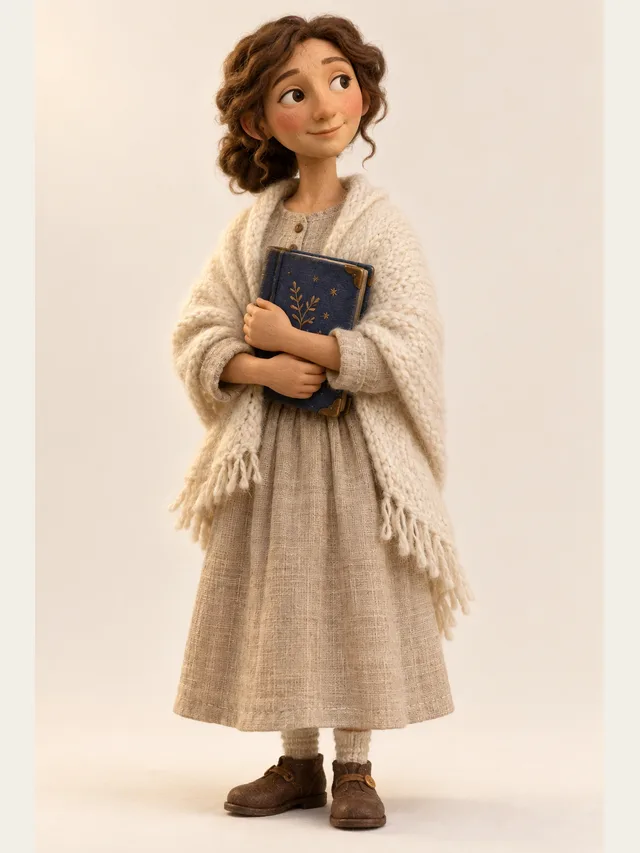
Wren
Bedtime-story narrator, slow and warm, never wakes anyone up
Esta página todavía no está disponible en español; te mostramos la versión en inglés.
Flujo de trabajo
A class play always has more parts than you have confident readers on the morning you need them. One teacher pasted in a fairy tale with eighteen speaking parts and had the whole thing cast and playing before the lesson began. That is the problem this page is about: not making one voice sound good, but hearing a whole class's worth of parts at once, today, without booking anything.
In a read-through, the two strongest readers carry the room and the child with four lines never really hears their own part. Casting the script gives every part a separate voice at full attention, which is the version students can listen to before they have to perform. Scripts with more than ten speaking parts will reuse voices — the engine has ten base voices and no project uses more than ten different ones — so plan which parts must stay clearly apart.
Alongside the mixed recording you can export a ZIP with one audio file per line plus a table listing who says what, on any plan. That is what a student actually rehearses against: their own lines, in order, without scrubbing through a twenty-minute file to find them.
Scripts written for children are full of bracketed notes — [whispering], [very grand], (frightened). A bracketed note before a line is performed as direction for that line rather than read aloud, so the way teachers already write scripts is the way the reading comes out.
Student and child parts are performed by adult voices playing young, the way animation has always cast children, in all nine languages. Nothing you make here requires a consent form, a recording session or a child's voice on a school server, which removes a whole category of paperwork from a classroom project.
Wren
Bedtime-story narrator, slow and warm, never wakes anyone up
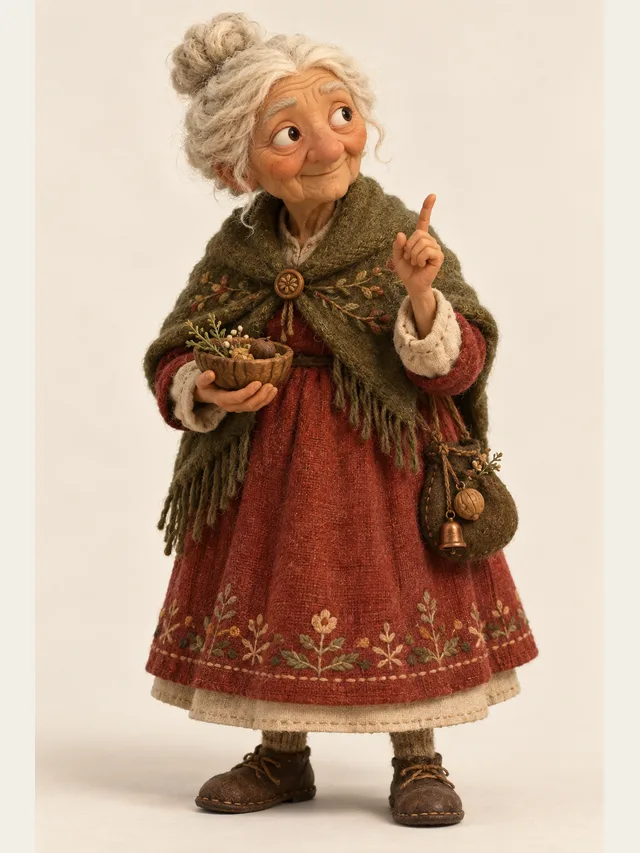
Gran Thea
Grandmother telling a folk tale she half believes
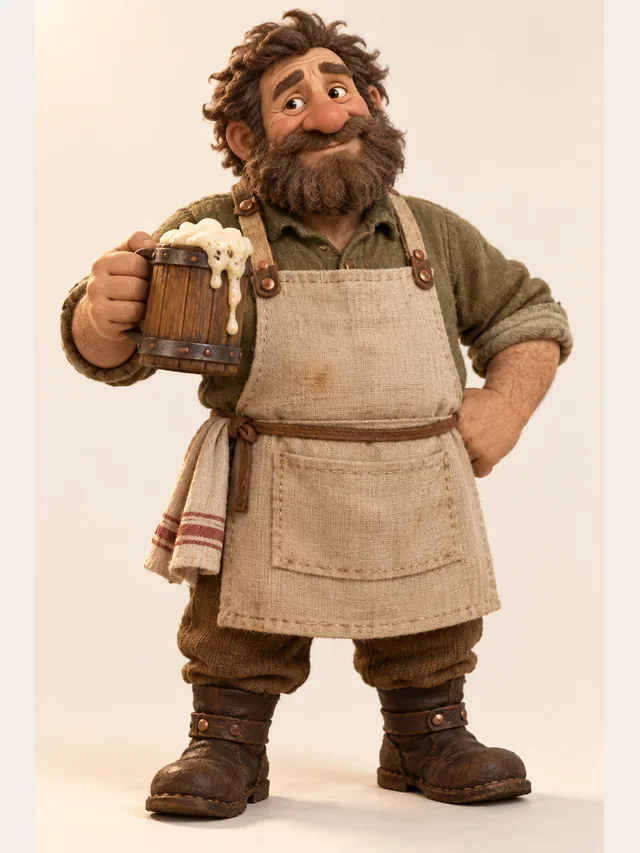
Bram
Tavern keeper and accidental quest giver
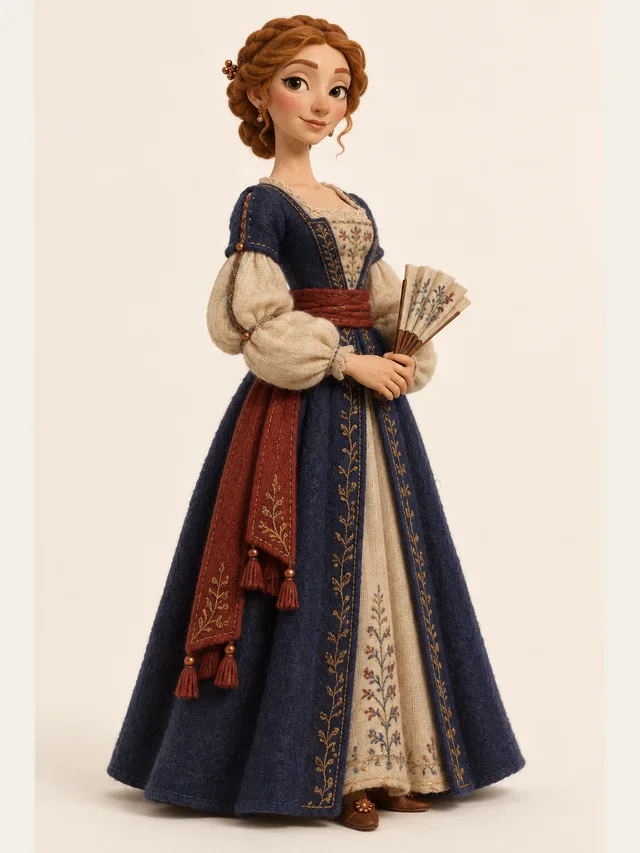
Seraphine
Court princess whose politeness is a weapon
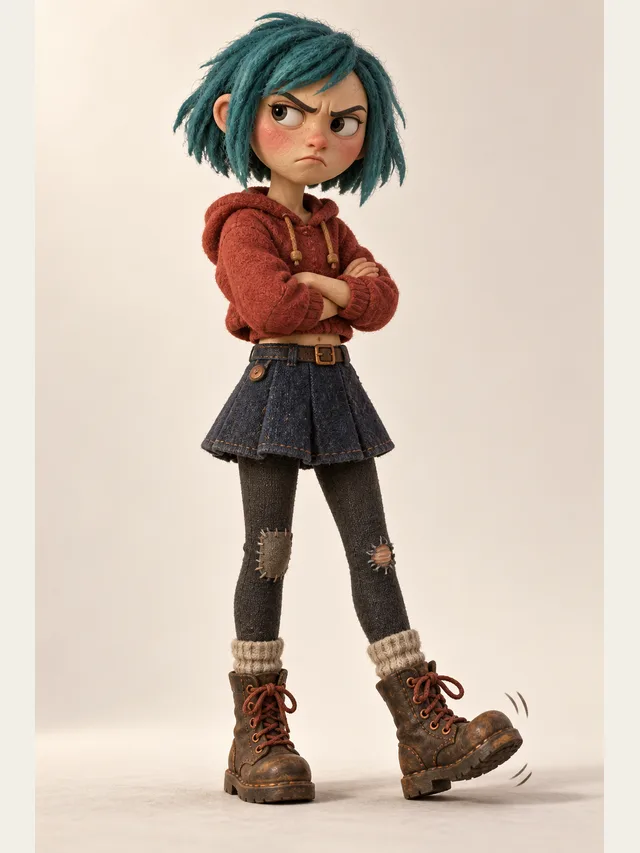
Cass
Seventeen and furious about it, in a good way

Koji
Rival character: clipped, competitive, secretly loyal
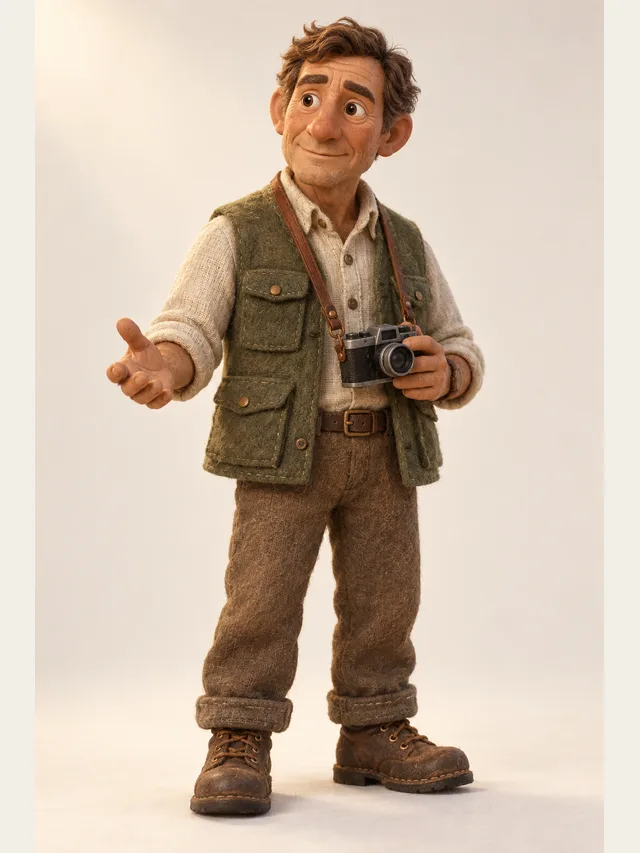
Hale
Documentary narrator with a hand on the listener's shoulder
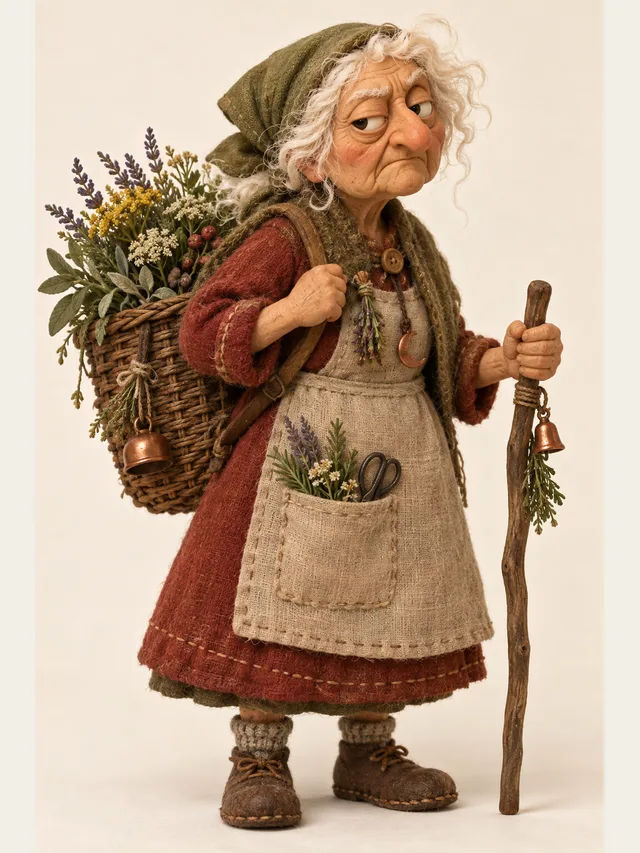
Mabel
Village witch, more herbs than hexes, very tired of adventurers
Character name, colon, line — the format nearly every school script already uses — works as it is. So does a screenplay layout and prose with dialogue tags. There is no file to prepare and no template to fill in.
Scan the speaker column once. All-capital scene headings and unnamed crowd lines are where automatic detection goes wrong, and fixing three rows now is faster than re-listening later.
Narrator, the two or three leads, and any pair who share a scene. Audition candidates on the same line back to back; that is the only comparison that settles a casting argument.
The notes already in the script become the direction for the line that follows them. Add one where a line is easy to read flat, and delete any bracket you actually want spoken.
Listen once without stopping. A class script that reads fine on paper is usually too long out loud, and the cut is almost always in the narration rather than the dialogue.
A mixed recording for playing in the room, the per-line ZIP for students rehearsing at home, subtitles on Plus and Pro for a display or a read-along, per-character tracks on Pro if a colleague is adding music.
Readers theater, the school drama club and the drama unit inside a literacy curriculum all run on the same object: a script with many small parts, read aloud, where the point is participation rather than polish. Tools built for reading a document aloud give you one voice for the whole thing, which converts a play back into a story and quietly removes everything the exercise was for.
The thing a class script needs is separation. A student who has never performed cannot always tell where their part sits in a scene until they hear it against the other parts. Hearing the whole script cast — with the narrator distinct from the characters and each character distinct from the others — gives them a model of the shape before they are asked to stand up and contribute to it.
There is a second, quieter use. Teachers rewrite scripts constantly: shortening a scene to fit a period, adding two parts because two more children want one, swapping a name. Each rewrite normally means another read-through with whoever is available. Hearing the changed version in a couple of minutes turns rewriting from an event into something you do between lessons.
Start by sorting the parts into three groups. The ones that must be unmistakable: the narrator and whoever the story is about. The ones that need to be distinguishable when they share a scene: the two sisters, the king and the guard who argues with him. Everything else: crowd, animals, single-line parts, the chorus.
Assign the first group deliberately, spreading them across registers — a warm low narrator, a bright young lead, a dry older character. Listeners with no picture to look at separate speakers mainly by pitch band and speaking rate, so a cast spread across those two dimensions stays legible even to a half-listening room.
The second group only needs to hold apart from each other, not from everyone. The third group can share freely. This is not a compromise forced by the tool; it is the same casting logic a school production uses when eleven children play twenty parts, and the audience follows it without difficulty because the script does the identifying work.
One more habit worth forming: when two characters must share a voice, keep them out of the same exchange if you can. Two lines in a row from the same voice with different names attached is the one place a listening class genuinely loses track.
Each line carries an emotion, chosen from seven, and each character has a resting emotion that the rest of their lines follow. Most of a class play should run on the resting value. The craft is in the exceptions: the moment the giant stops being funny, the line where a character admits something. Two directed lines in a scene of twenty land far harder than twenty directed lines, which flatten into uniform intensity.
The bracketed notes already in the script do the rest. School scripts are written with them — [sadly], [shouting from offstage], (aside) — and a note before a line becomes that line's direction. It also means a note that was never meant for a performer, like a lighting cue, will be interpreted as one, so delete the technical notes before you render.
Pace is the other lever, and per-line speed is available on Plus and Pro. Younger listeners need more room than adults instinctively give them, and a scene that feels slightly slow to you is usually about right for a class of nine-year-olds. Where speed is not available, the same effect comes from the text: shorter sentences, and a paragraph break wherever you want a breath.
The per-line export is a ZIP with one file per spoken line, numbered in script order and named with the character, plus a table listing the index, file, speaker, emotion and text. It is available on every plan, and for classroom work it is often more useful than the finished recording.
The obvious use is giving each student their own lines. The better use is giving them their cue and their line together: the sentence before theirs, then theirs. Missing an entrance is the most common problem in a first school performance, and it is a listening problem rather than a memory problem.
A third use is assessment-adjacent and takes no preparation. Play a line and ask the class what emotion they heard and what in the writing put it there. Because the file table lists the emotion attached to each line, you already have the answer key, and the discussion is about how a sentence signals feeling — which is the literacy objective the drama unit is usually there to serve.
It does not replace the children performing. A cast recording is a model and a rehearsal aid; the learning happens when a student stands up and reads. Teachers who have used this well treat it as the equivalent of a worked example on the board.
It is not a mixing tool, it cannot take a recording of your class and put it into the project, and the script has to be pasted in rather than opened from a file. Each export counts the whole project again, so fix and listen inside the project — generating and previewing do not count against your download allowance — and export when the script is final.
And it is a performance, not a reading of a document: regenerating the same line gives a slightly different take, with the same voice. That is a feature when a line comes out wrong — run it again — and something to know about if you were expecting a file to be identical every time you make it.
Free
US$0 / mes
Escucha cómo suena tu guion con reparto antes de pagar nada.
Basic
US$5 / mes
Abre la biblioteca de voces entera y empieza a llevarte el audio terminado.
Plus
US$19 / mes
Dirige el ritmo: frena una confesión, aprieta una discusión.
Pro
US$29 / mes
El plan del audiodrama: cada línea con su emoción y cada personaje con su pista.
Yes, and the honest limitation is worth knowing before you start. There are ten base voices, and one project never uses more than ten different ones, so a cast of eighteen means several parts share a voice and are separated by performance rather than by timbre. In practice that is fine for a class play, because the parts that matter dramatically are the ones you assign first; the villagers, the trees and the third guard can share. Give the narrator and the leads their own voices and let the crowd double up, which is exactly what a real school production does with the same number of children.
No. There are no children's voices here in any of the nine languages, and no child is recorded for anything you make. A child character is performed by an adult voice playing young, often a woman playing a boy, which is the standard convention in animation. For a school this is the useful answer rather than the disappointing one: there is no consent form, no recording session and no child's voice sitting in a file somewhere.
A bracketed note on its own line, or at the start of a line of dialogue, is treated as direction for the performance rather than as words to say. Brackets in the middle or at the end of a spoken line are left alone, because those are usually meant to be said — a title, a number, a clarification. If you have a note you genuinely want spoken, put it mid-line or write it as ordinary dialogue.
Nine: English, Chinese, Japanese, Korean, Spanish, Portuguese, French, German and Russian. Every base voice speaks all nine. Outside English you get that language's general accent rather than a regional one, and regional accents cannot be chosen or promised. We have not had every language checked line by line by teachers who speak it natively, so listen to your own script before you play it to a class.
Playing it in your own classroom is ordinary personal use. Publishing it — a school website, a public channel, anything an audience outside the room can reach — needs a commercial licence, which comes with the paid plans and is a licence term rather than a technical limit. The open beta makes the features free; it does not grant the licence. The script stays yours either way, and if you are working from a published play the rights to that text are a separate question you should settle with its publisher.
Not here — this renders performances, not mixes. Export the per-character tracks on Pro and put them into any audio editor with your music. For most classroom use the plain dialogue is what you want anyway: students listening for their cue do not need a score under it, and a track with music baked in is much harder to reuse next term.
Pega un guion, deja que CastDub le dé una voz propia a cada personaje y exporta un audiodrama terminado.
Empieza gratisSin tarjeta. Free te da una bolsa única de créditos.