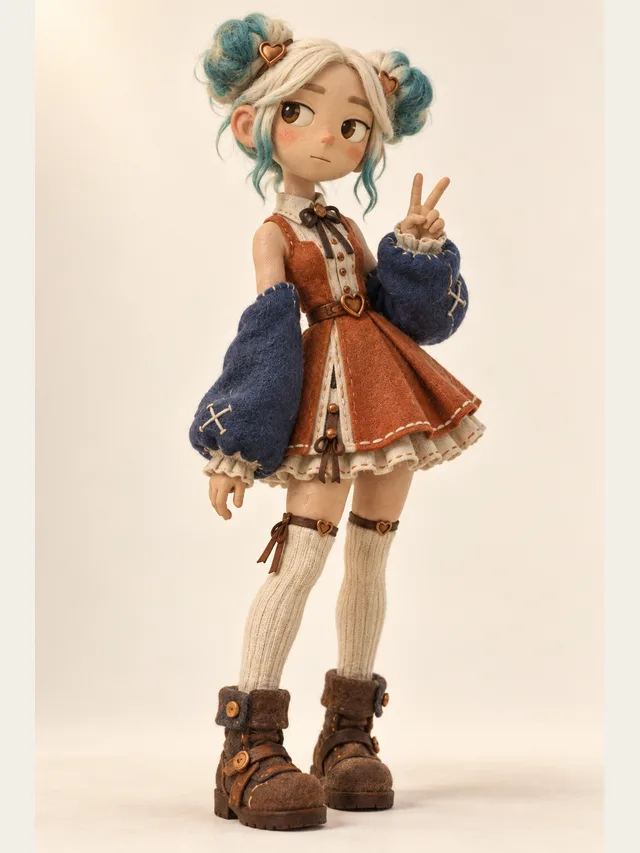
Lumen
Cute on the surface, deadpan underneath
Voice category
Original characters live across drawings, roleplay logs and half-finished stories, and they almost never have a voice. This page is about finding one and, more importantly, keeping it the same across everything you make next.
Lumen
Cute on the surface, deadpan underneath
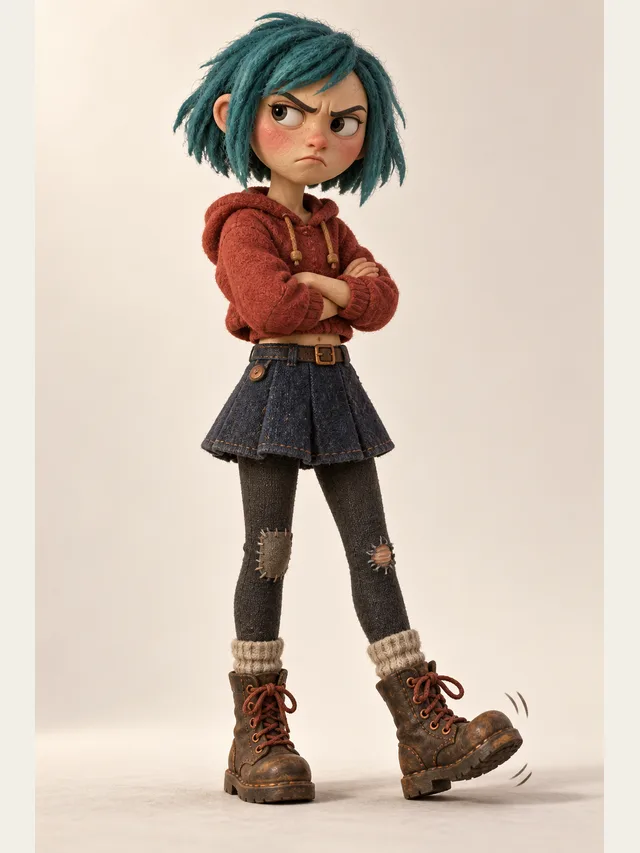
Cass
Seventeen and furious about it, in a good way
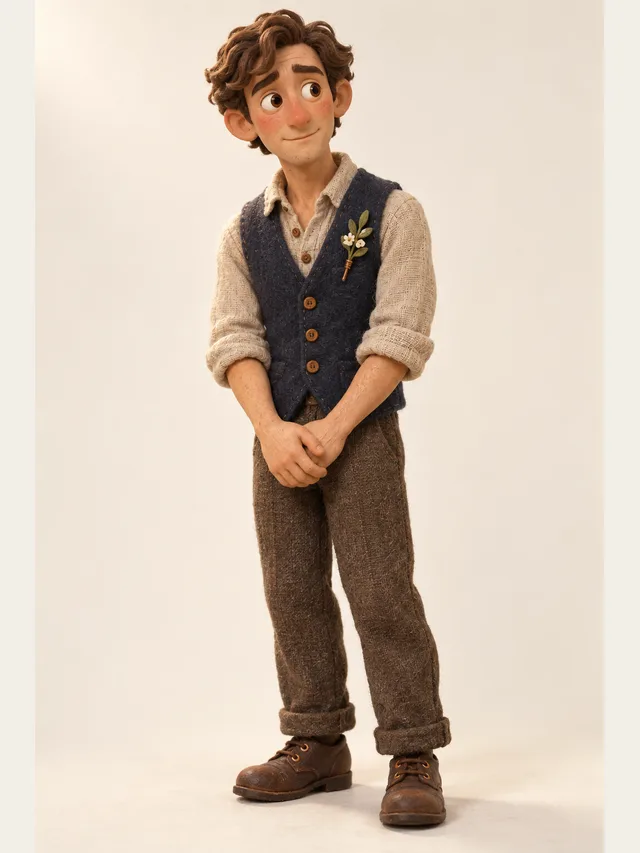
Ezra
Two-second pause before honesty
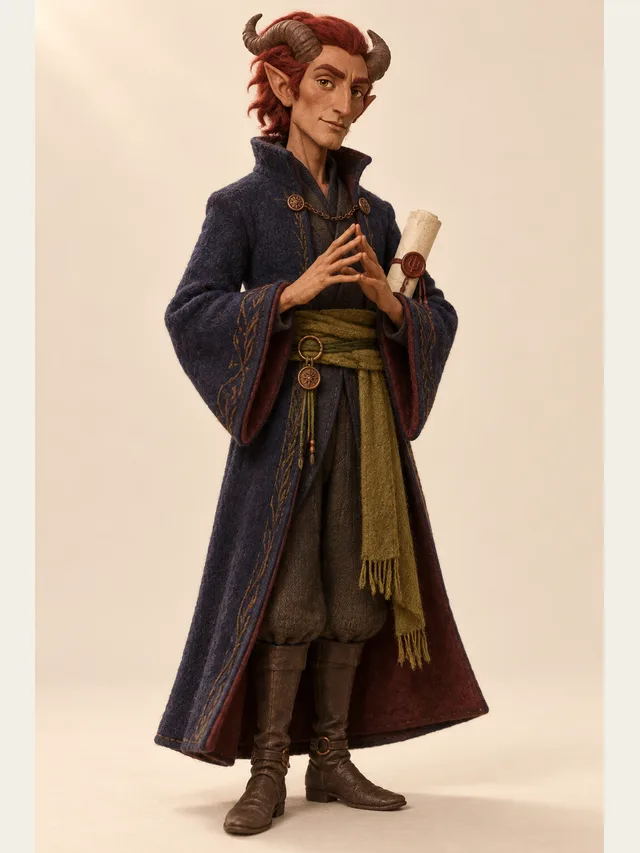
Vex
For the OC who is not the hero of this one
Every voice is available on every plan — the library is not a paywall.
Almost everyone approaches this the same way: open the library, start playing samples, and wait for one to feel right. Forty samples later the character still has no voice and you cannot remember which of the first ten you liked. The problem is not the library — it is that you are trying to recognise a match without having defined what a match would be.
A three-adjective brief fixes it because it turns the task from recognition into elimination. Age band removes most of the library immediately. Energy level halves what remains. Attitude — dry, earnest, sharp, warm — usually leaves three or four candidates, and comparing four voices on one line is a decision you can actually make.
Write the brief before you open anything. If you cannot produce three adjectives, that is useful information too: the character is not yet defined enough to cast, and no amount of listening will substitute for the fifteen minutes of writing it would take to define them.
This is the part that surprises people, so it is worth stating plainly: a character lives inside a project and nowhere else. The name, the persona, the gender, the age band, the library character and the default emotion are all project data. Start a new project next week and none of it comes with you; there is no shared character store, no import, no portable file.
That is a real limitation and it has a simple workaround: keep a note. Four lines per character — library character, persona text exactly as you typed it, default emotion, and anything you learned about how they should be paced. Setting up the next project then takes under a minute and produces the same casting every time.
One honest caveat. Because voices are assigned within a project so that no two characters share one, the same library character in a differently populated project can land on a different base voice. In practice this shows up when your cast changes between episodes. The fix is the ten-second habit of listening to the character's first line before you export, and it is worth building early rather than discovering it on episode four.
A voice auditioned in isolation is a voice you have not actually tested. Characters are defined by contrast: how they sound next to the person they argue with, the friend they are gentle with, the rival they will not concede to. A read that seemed perfect alone can turn out to sit almost exactly where your other regular sits, and the scene becomes confusing without either voice being wrong.
So write a short exchange — eight lines, two characters, something with a disagreement in it — and use it as your standard test. Paste it, cast both, generate, listen. If you cannot tell them apart with your eyes shut, one of them is miscast, and it is usually the newer one.
Keep that test scene. Reusing the same eight lines every time you cast a new character makes every comparison meaningful, and after a few characters you will start to hear the shape of your own ensemble: where the gaps are, and which register you reach for too often.
Original characters tend to appear in several formats at once — a comic dub this month, a roleplay log read aloud next month, an animatic after that. Consistency across those formats is what makes a character feel real to the people following your work, and it is almost entirely a question of discipline rather than of tooling.
The routine is short. New project per piece, cast from the note, paste the scene, check the first line, direct anything unusual, export. On Plus and Pro you can adjust pace per line, which is useful when the same character has to be breathless in one piece and exhausted in another; on Pro you can set emotion per line, which is where a familiar character starts to feel performed rather than read.
Two practical notes on budgeting. Credits are counted in characters of script and charged each time you export, including re-exports of the same project, so export when the piece is final rather than after every tweak. Generating and previewing do not touch that download allowance at all — they are limited separately by a daily line count — so audition as much as you like while you are still deciding.
Age band, energy level, characteristic attitude — that is the whole brief, and it narrows forty library characters down to about four. Auditioning without one is the reason picking a voice feels impossible: everything sounds plausible when you have no criteria to reject it with.
Use a line only they would say, ideally one you have already written somewhere. Neutral text tells you nothing about fit, because every voice in the library reads a neutral sentence competently. The line that reveals the mismatch is always the characteristic one.
Library character, persona text and default emotion, saved in one note. Characters exist only inside a project and nothing carries between projects, so this note is the only thing that persists — and it is the entire difference between a character with a voice and a character you cast again from scratch each time.
Characters exist in relation to other characters. Render a short exchange with a second cast member rather than a monologue; a voice that seemed perfect alone often turns out to sit too close to your other regular, and you can only hear that in dialogue.
Comic dubs, roleplay readings, animatics — same library character, same persona, same default emotion in every new project. The base voice is not guaranteed to be identical each time, so listen to their first line before you export anything long.
Describe them in three adjectives before you listen to anything: how old they read, how much energy they have, and what their default attitude is. Auditioning without that brief is the reason this feels impossible — with it, most of the library eliminates itself in a minute.
There are no character cards to share: a character exists only inside its project, with its name, persona, gender, age band, chosen library character and default emotion. What you can share is your note of those settings, and anyone can then cast the OC the same way in their own project.
Yes on a paid plan. The character is yours and the licence covers the generated audio; the free plan is personal and non-commercial. This applies to your own original character — it does not extend to characters from someone else's work, whatever the voice sounds like.
Split the difference deliberately. Pick the character that matches the age band and energy, then let the persona text and your writing carry the attitude — the persona you write is part of the direction for every line, so a precise one changes the read noticeably. Exact matches are rare; a close voice with a specific persona beats a vague voice that felt nearly right.
Same note, every project. One project per episode or per scene, the same library character and persona pasted in each time, and a quick listen to their opening line before you export. The voice is assigned per project, so the check takes ten seconds and saves you an episode that does not match the previous three.
Yes, and it is the fastest way to find out whether your casting works. Within one project, characters are kept on different base voices until the pool for that gender runs out, so two OCs of the same gender will sound distinct. The free plan allows two cast members per project, which covers exactly this scene.
Paste a script, let CastDub assign a voice to every character, and export a finished drama.
Create for freeNo credit card. Free gives you a one-time pot of credits.