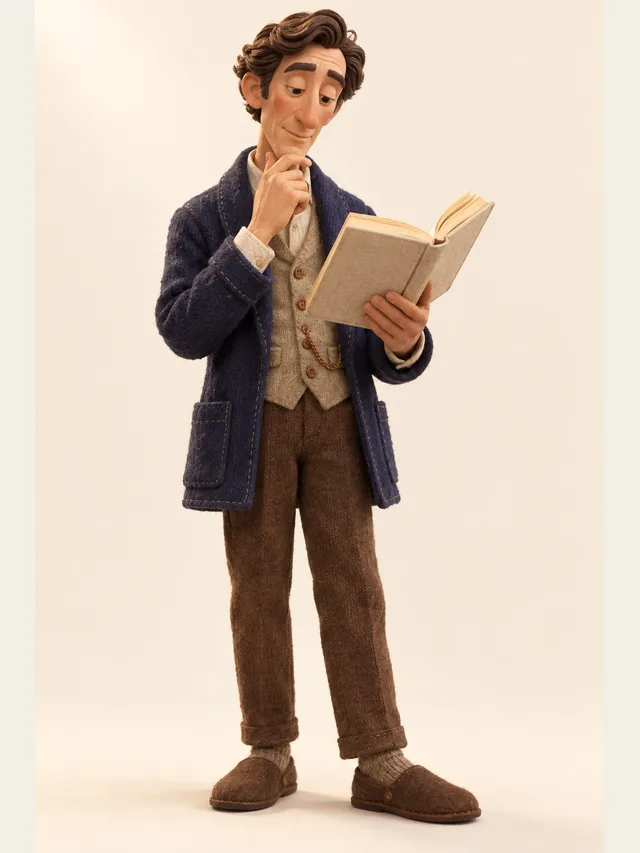
Dorian
Audiobook baritone for literary fiction and slow reveals
이 페이지는 아직 한국어로 번역되지 않아서 영어판을 보여 드려요.
Repeated words, run-on sentences, dialogue that no human would say — all of it becomes obvious the moment it is spoken. Writers have read work aloud for centuries for exactly this reason; the only new thing is not having to do the reading yourself.
A story with four speaking parts read by one narrator forces the listener to track who is talking. Cast them separately and that work disappears, which is the single biggest quality difference between amateur and professional audio fiction.
You do not need a finished manuscript. Paste a chapter, hear it, change it, hear it again. The loop is fast enough to be part of writing rather than something you do at the end.
The same project that helped you edit produces the file you put on a podcast feed, a video, or an audiobook distributor. There is no second production process.
Dorian
Audiobook baritone for literary fiction and slow reveals
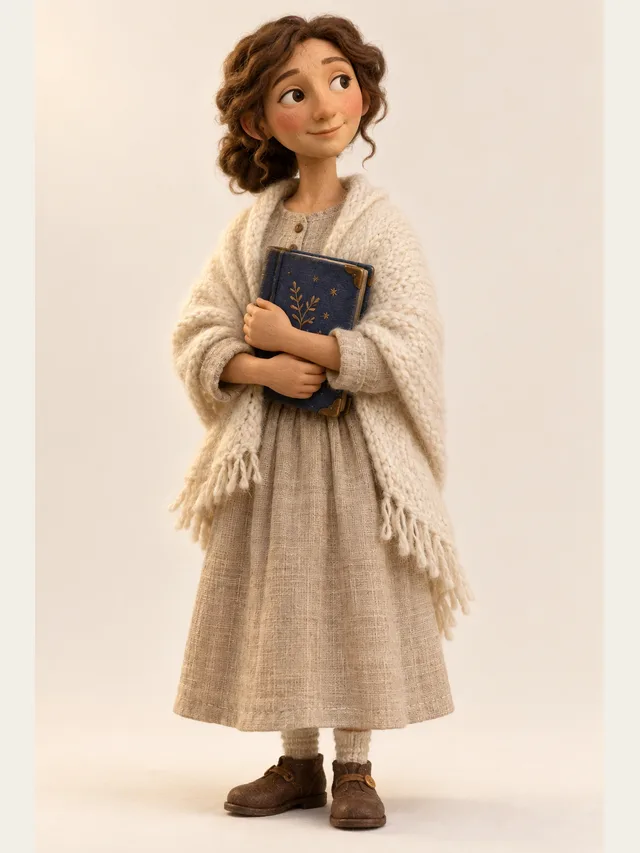
Wren
Bedtime-story narrator, slow and warm, never wakes anyone up
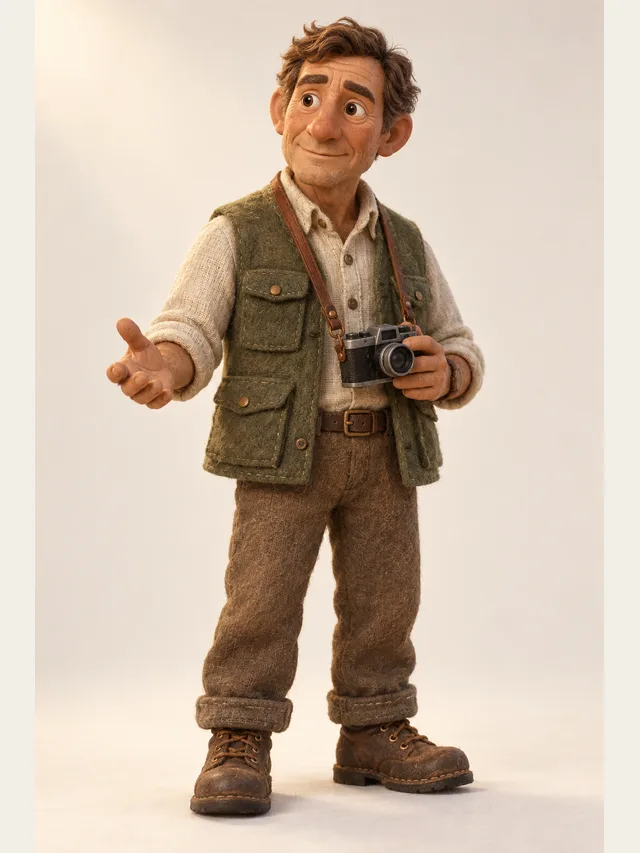
Hale
Documentary narrator with a hand on the listener's shoulder
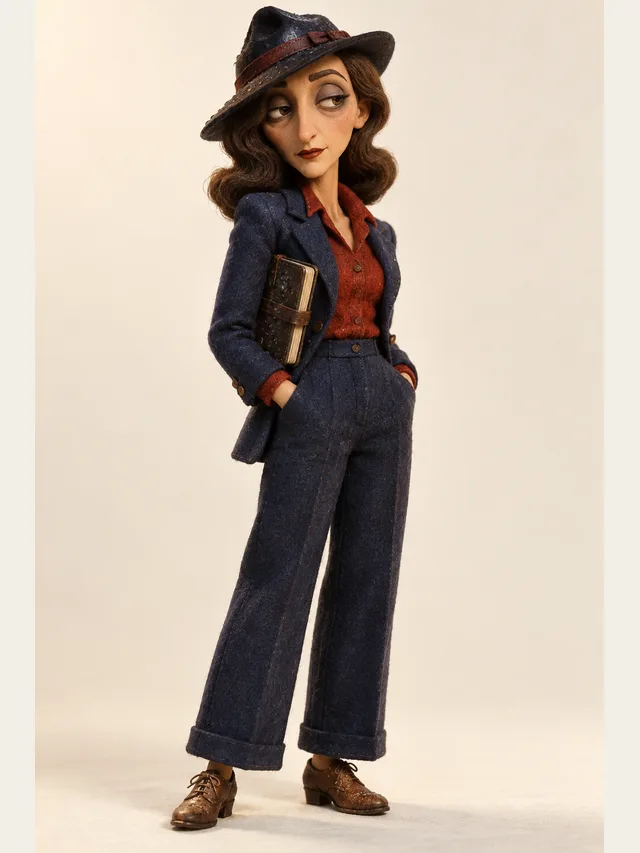
Sable
Noir detective narrating her own bad decisions
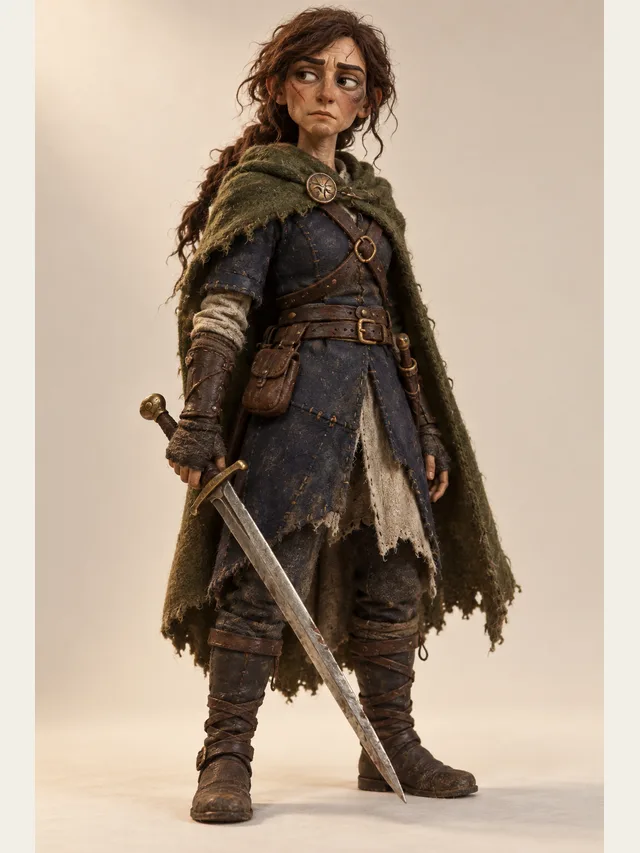
Kestrel
Low, weary swordswoman who has already lost this war once
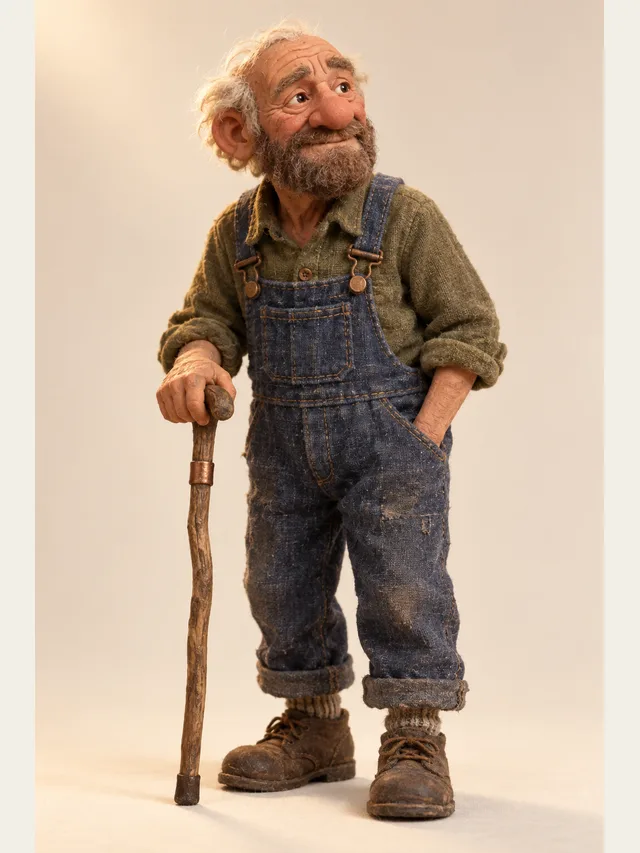
Orrin
Old man on a porch who remembers the flood
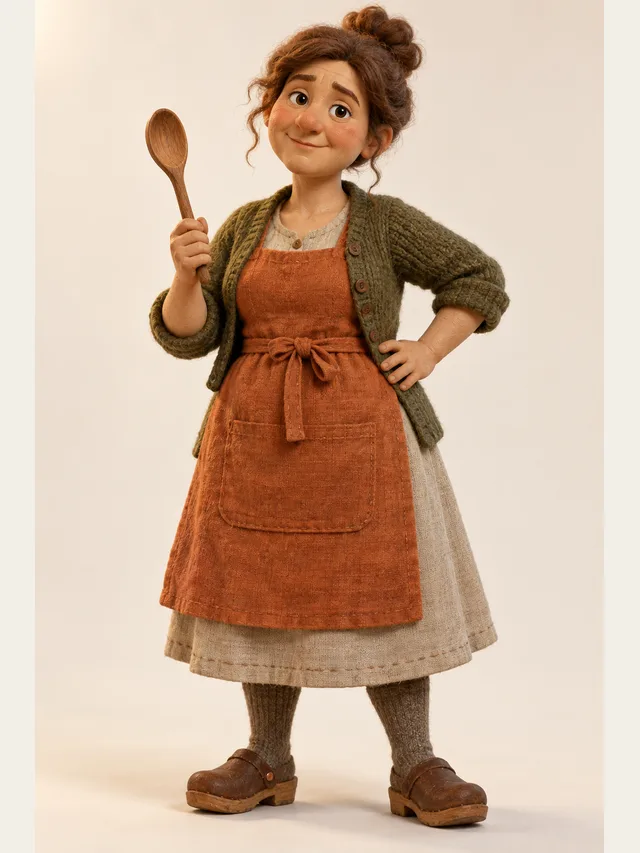
Hazel
Mum voice: patient, then suddenly not
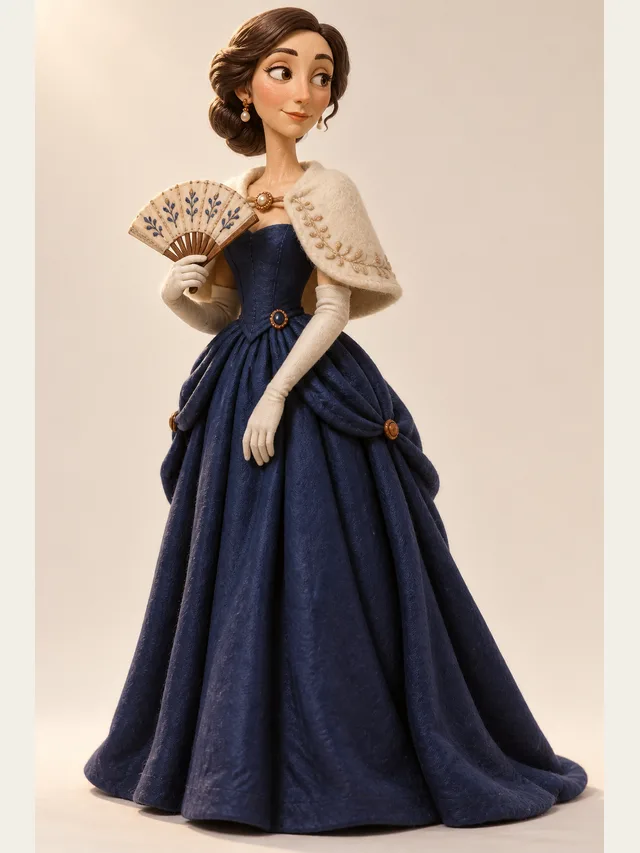
Solène
Continental accent, unhurried, very expensive sounding
Not the whole book. A chapter is small enough to iterate on and large enough to reveal whether the narrator works.
Audition on the dense one with the difficult names, not on the opening line. That is where narrators fail.
Quoted speech with attribution becomes character assignments automatically. Check them, fix what is wrong, move on.
Names, places, invented words. There is no pronunciation setting, so fix a stubborn one in the text itself — respell it the way it sounds — and use the same spelling in every later chapter.
Do not skim. The problems you are looking for — pacing, repetition, a scene that drags — only appear in real time.
Mixed MP3 for a feed, stems on Pro if you want music, SRT from Plus if you are making a video version.
Every writing guide recommends reading your work aloud, and almost nobody does it, because reading 5,000 words aloud is tiring and you start skimming by page three. The advice is nevertheless correct: the ear catches things the eye has been trained to skip. Repeated sentence openings, a paragraph with no variation in rhythm, a line of dialogue that no person would say — all of these are invisible on the page and glaring in audio.
Having the text read to you removes the fatigue problem and adds something else: an unfamiliar voice. Reading your own work in your own voice, you unconsciously perform it the way you intended. A neutral narrator does not, which means you hear what is actually on the page rather than what you meant.
Prose narration wants an even, unobtrusive voice that can hold attention across hours. Dialogue wants distinct, characterful voices that are immediately separable. These requirements conflict, which is why single-narrator audiobooks are a compromise — the narrator is chosen for endurance and then asked to do character work they were not cast for.
Splitting the two lets you optimise both. Cast the narrator for stamina and clarity; cast the characters for distinctiveness. The listener then gets the best version of each, and long dialogue scenes stop being the part where attention drifts.
The one rule is separation: the narrator must not sound like any character. If your narrator and your protagonist occupy the same pitch band, the audience will spend the whole book unsure whether they are hearing description or speech.
A short story is between fifteen and sixty minutes of audio, which fits inside a modest plan, can be checked in one sitting, and is a complete publishable unit. It is also a format with almost no commercial audio production, because the economics of hiring a narrator for a 5,000-word story have never worked.
This makes short fiction the most immediately practical use here. Literary magazines have started publishing audio versions, podcast feeds of short fiction are a growing format, and individual writers can now produce a listenable version of every story they publish for the cost of an afternoon.
The result is a clear, well-paced, consistently cast reading. It is not an interpretation. A great human narrator makes decisions about subtext on every page, and those decisions are the reason people follow particular narrators from book to book. Nothing here does that.
What you get instead is availability. Every story you write can have an audio version, immediately, at no marginal cost, revisable in minutes. For most writers that trade is straightforwardly worth making, and it is worth making with clear eyes about which half of the trade is which.
There is a step between a manuscript and a good audio version that most people skip: adaptation. Prose written for the eye contains things that do not survive being spoken — long parenthetical asides, sentences with three nested clauses, paragraphs that rely on the reader's ability to glance back.
Adapting does not mean rewriting the story. It usually means splitting a handful of sentences, removing two or three parentheticals, and converting a passage of internal reflection into something the narrator states plainly. Twenty minutes per chapter, and the audio version stops feeling like a reading of a book and starts feeling like a piece of audio.
The one thing worth adding rather than removing is attribution. Prose drops "she said" as soon as an exchange establishes rhythm, which readers follow effortlessly and listeners lose after about four lines. Putting a few tags back costs the text almost nothing and saves the listener real effort.
The distribution question is simpler than people expect. A short story is fifteen to sixty minutes, which is a podcast episode. Setting up a feed takes an afternoon, and a feed of your own short fiction is a genuinely useful thing to own, independent of any platform.
The alternative is posting the file alongside the text wherever the story already lives — a personal site, a newsletter, a literary magazine's page. Readers who prefer audio will use it and the rest will ignore it, which is exactly the right outcome for an option rather than a replacement.
Free
US$0 / 월
내 대본에 목소리가 붙으면 어떤 소리가 나는지, 돈 한 푼 안 들이고 들어 보세요.
Basic
US$5 / 월
라이브러리를 전부 열고, 완성본을 가져가기 시작하는 단계.
Plus
US$19 / 월
속도를 직접 잡는 단계. 독백은 늦추고, 말다툼은 몰아치게.
Pro
US$29 / 월
오디오 드라마를 만든다면 이 칸이에요. 대사마다 감정이 따로, 인물마다 트랙이 따로.
For a bestselling novel with a budget, no — a great narrator does interpretive work that synthesis does not attempt. For a short story with no budget, a self-published novel, or a draft you want to hear, it is the difference between having audio and not having it. Those are the cases this serves.
Yes, and a lot of people do. Free's five minutes are a one-time trial pot rather than a monthly allowance, but they are enough to check the passages you are unsure about, which is often exactly what you need; Basic's sixty a month is the one to move to if editing becomes a habit.
Poetry is the hardest case. Line breaks, deliberate ambiguity and rhythm are carried by a reader's interpretation, and synthesis renders the literal text. It can be useful for checking meter; it will not perform a poem.
Change the text. There is no pronunciation override, so respell the name the way it should sound, or hyphenate it where the engine runs syllables together, and audition the line again. Keep that spelling in every later chapter, which is why doing this pass early matters.
Yes, in your audio editor — recordings cannot be brought into a CastDub project. It is an effective hybrid: generate the characters, export, and narrate around them yourself. Record in a reasonably dry room at a similar level and the two sit together without difficulty.
Roughly one hour of audio per 9,000 words. A 90,000-word novel is about ten hours, which is more than any single month's allowance — plan it across months or edit for a shorter adaptation.
장면을 붙여 넣고, CastDub가 인물마다 보이스를 붙이게 하고, 완성된 오디오 드라마로 내보내세요.
무료로 만들어 보기카드 등록 없이. 무료 요금제는 한 번만 주어지는 크레딧이에요.